
Building a Circular
Copper Economy for
a Sustainable Future
We buy copper scrap and fabricate high-quality recycled copper products for a greener, circular future
Overview
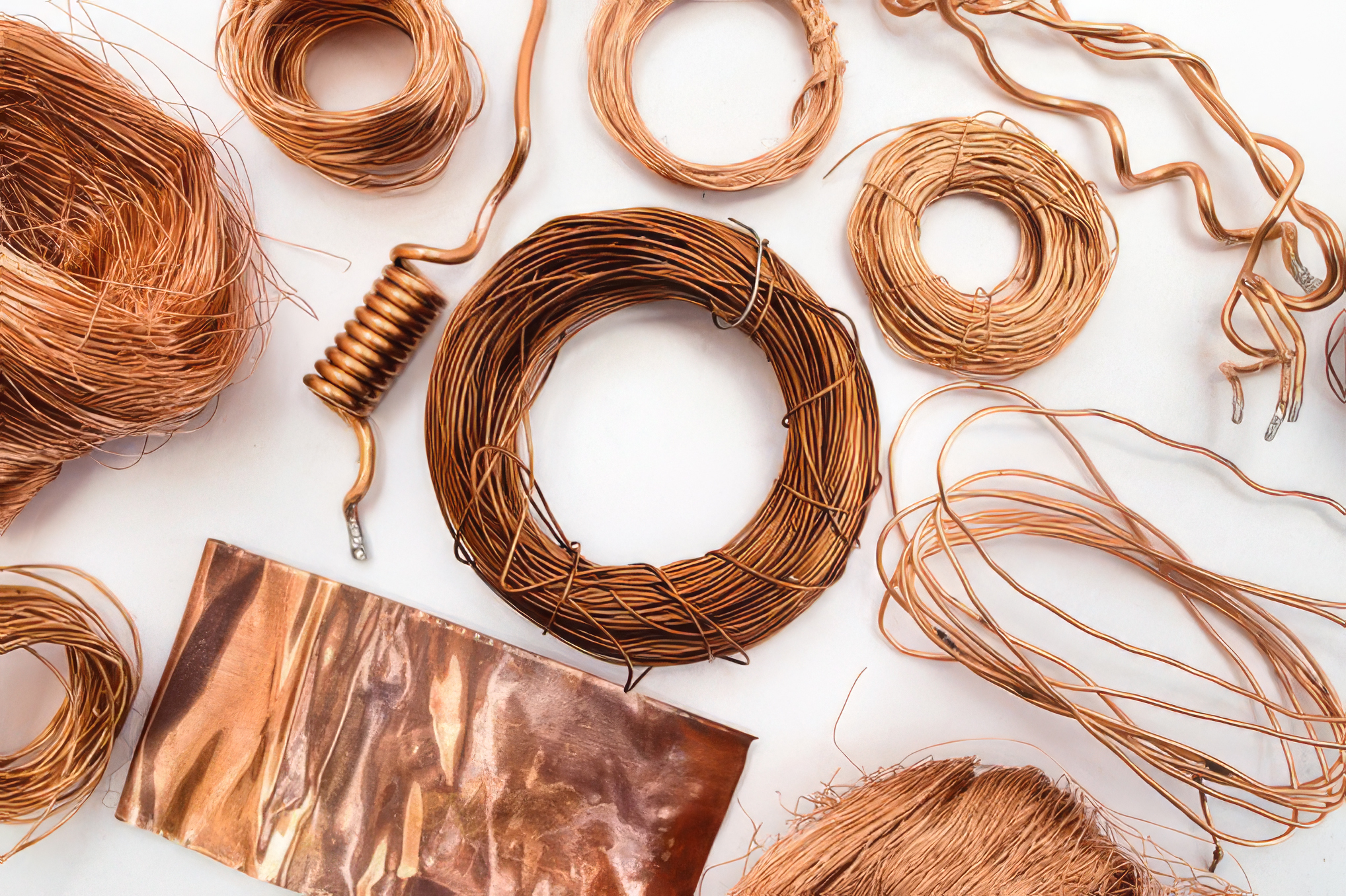
Copper is one of the most precious and ubiquitous non-ferrous metals, recognised for its superior electrical and thermal conductivity, corrosion resistance, and recyclability. The global movement towards renewable energy, electric vehicles, and electrification makes copper a critical element in the modern economy. Advancing copper recycling strengthens India's self-reliance while decreasing the environmental footprint of industrial growth.
Why is it Important?
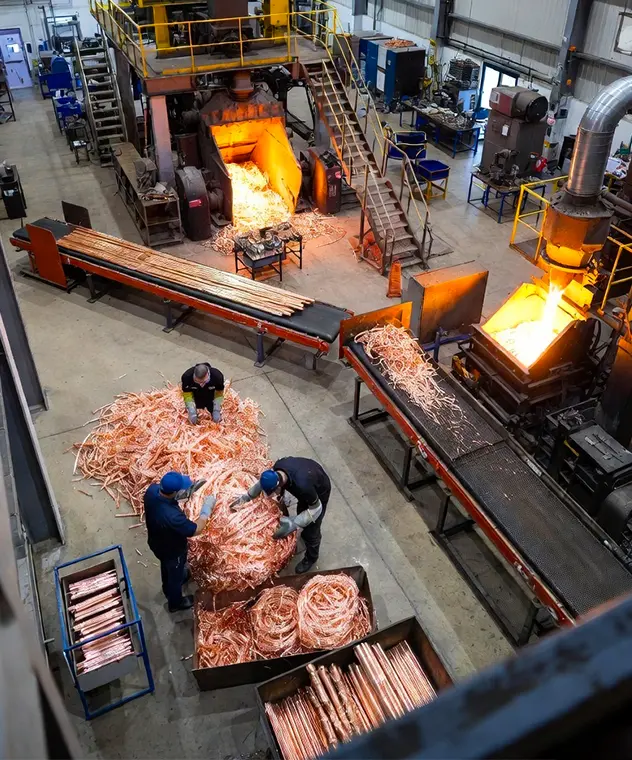
Recycling copper offers numerous benefits. It consumes far less energy compared to primary production and emits significantly fewer greenhouse gases. Since copper retains its purity and performance after recycling, it can be reused endlessly without degradation.
This not only makes recycling cost-effective for industries but also reduces landfill waste and encourages cleaner collection practices among scrap dealers. Recycling copper conserves natural and energy resources, saving up to 85% of energy costs associated with primary production. Metalbook seamlessly connects recyclers with scrap and manufacturers by providing a platform that enables the traceability and integrity of high-purity recycled copper products to meet the growing needs of India's industrial base.
Metalbook help you?
Verified Copper scrap supply- Steady inflow of high-quality scrap from verified sellers.
Smart Grade-based sourcing- Filter scrap by grade, purity, and form to match requirements.
Transparent Pricing & Documentation- Clear pricing with full batch tarcebality.
Types of Copper Scrap We Purchase
Berry
Clean, uncoated, and unalloyed copper wire with 99.9% purity. This premium-grade material is directly used in melting and refining for high-conductivity applications.
Birch/Cliff
Tarnished, painted, or coated wires and pipes containing 94-96% copper. This material requires refining before reuse but offers excellent value.
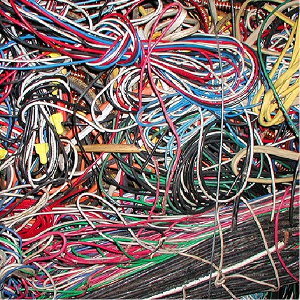
Cable Scrap Candy/Druid
Insulated or mixed copper wires and cables, including armoured, telecommunication, car harness, BX, CATV, and other types, processed for efficient metal recovery and recycling.
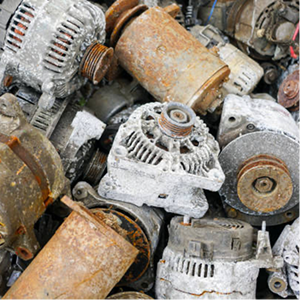
Motors / Alternators / Stators
Copper windings mixed with steel and aluminium, separated through dismantling and mechanical sorting.
Berry
Clean, uncoated, and unalloyed copper wire with 99.9% purity. This premium-grade material is directly used in melting and refining for high-conductivity applications.
Birch/Cliff
Tarnished, painted, or coated wires and pipes containing 94-96% copper. This material requires refining before reuse but offers excellent value.
Cable Scrap Candy/Druid
Insulated or mixed copper wires and cables, including armoured, telecommunication, car harness, BX, CATV, and other types, processed for efficient metal recovery and recycling.
Motors / Alternators / Stators
Copper windings mixed with steel and aluminium, separated through dismantling and mechanical sorting.
Benefits of Partnering With Us
Operational Efficiency
We help increase your operational efficiency by providing consistent quality.
Competitive Sourcing
We help increase your operational efficiency by providing consistent quality.
Facility Management
We help increase your operational efficiency by providing consistent quality.
Sales & Placement
We help increase your operational efficiency by providing consistent quality.
Benefits For OEMs

Streamlined Sourcing
Efficient procurement process with consistent quality and timely delivery.

Cost Savings
Competitive pricing through our optimized supply chain and bulk purchasing power.

Highest Quality
Rigorous quality control ensures you receive materials that meet your exact specifications

Simplified Procurement
Deal with Metalbook instead of managing multiple vendors and SMEs. One point of contact for all your copper needs.

Quality Assurance
Robust quality that maintains consistent standards to meet strict technical requirements.

Supply Chain Resilience
Ensuring steady material flow, reducing disruptions and delays.
Products Offered
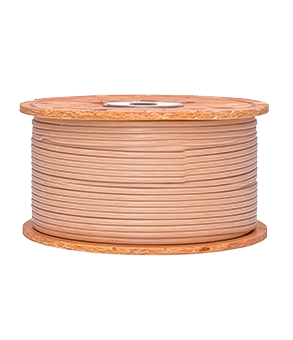
Picc
CO2 Reduction: 2-3 t/ton
Alloy / Grade: 99.9% Cu
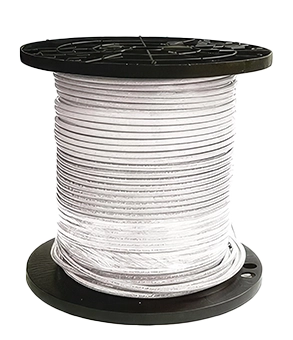
Double Cotton Covered Cooper Wire
CO2 Reduction: 1.8-2.8 t/ton
Alloy / Grade: 99.9% Cu
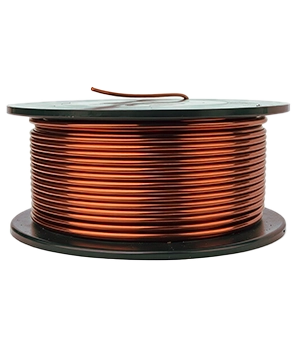
Enamelled Copper Wire
CO2 Reduction: 1.8-2.8 t/ton
Alloy / Grade: 99.9% Cu
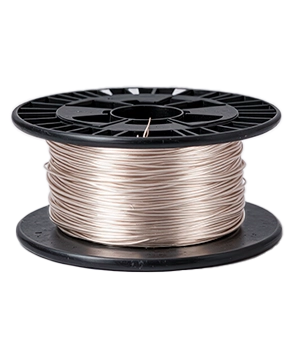
Nickel Plated Copper Wire
CO2 Reduction: 1-2 t/ton
Alloy / Grade: Cu + Ni coating
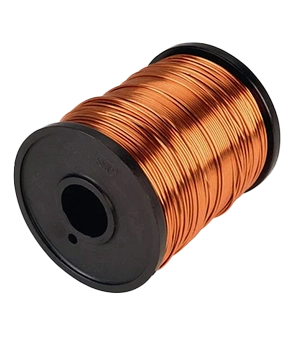
Copper Winding Wire
CO2 Reduction: 2-3 t/ton
Alloy / Grade: 99.9% Cu
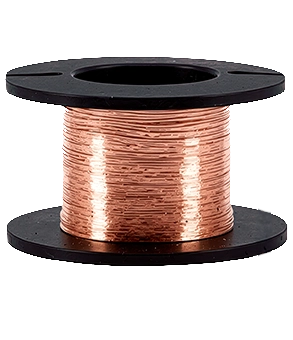
Enamelled Winding Wire
CO2 Reduction: 2-3 t/ton
Alloy / Grade: 99.9% Cu
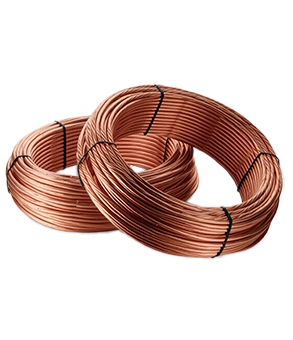
Copper Wires
CO2 Reduction: 1.8-2.8 t/ton
Alloy / Grade: 99.9% Cu
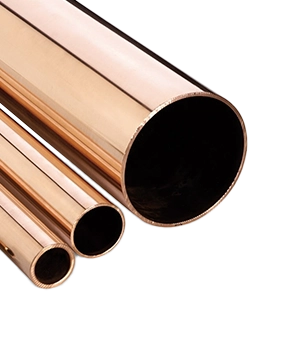
Copper Alloy Tubes
CO2 Reduction: 1.8-2.8 t/ton
Alloy / Grade: Cu-Zn, Cu-Sn
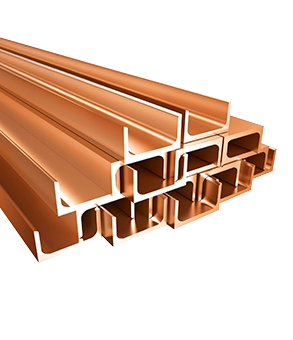
Copper Profiles
CO2 Reduction: 1.8-2.8 t/ton
Alloy / Grade: Pure Cu / alloys
Applications of Recycled Copper
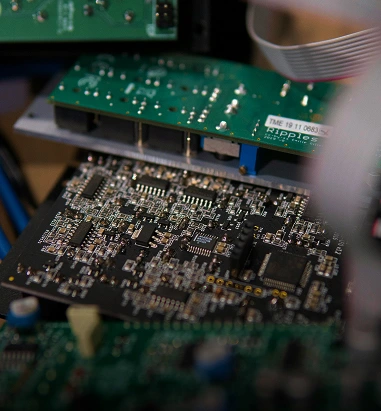
Electrical & Electronics
wires, conductors, bus bars, transformers, and cables.
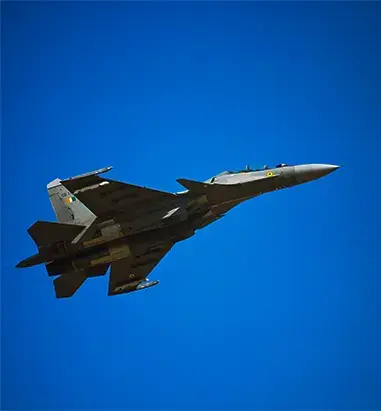
Aerospace
wiring, connectors, bushings, bearings, combustion chambers, and thermal management components.

Automotive & EVs
wiring harnesses, motor windings, and alloy components.
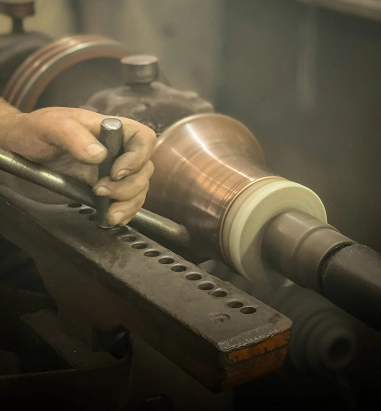
Industrial Machinery
copper alloys for bearings, bushings, and fittings.
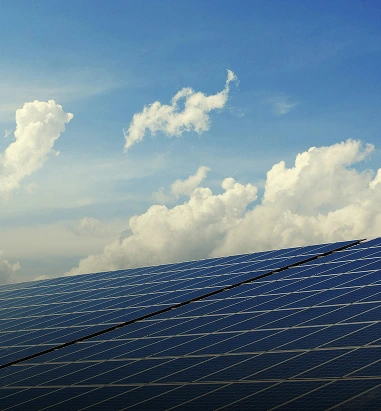
Renewable Energy
solar panels, wind turbines, and charging infrastructure.
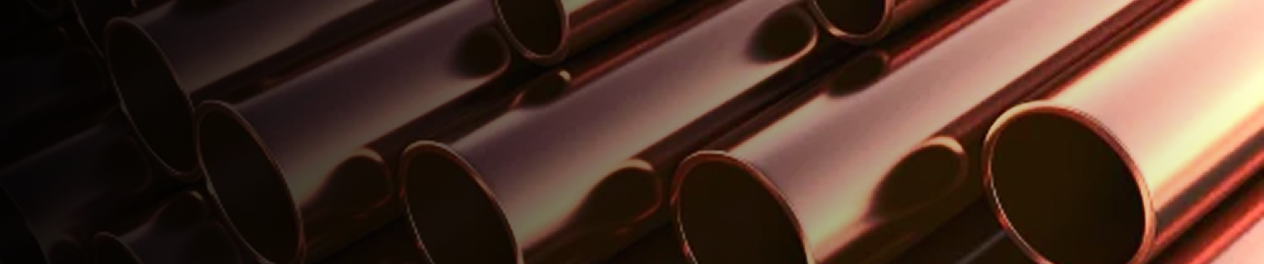
Upgrade
Your Copper Procurement Today
Efficient procurement process with consistent quality and timely delivery.
Blogs
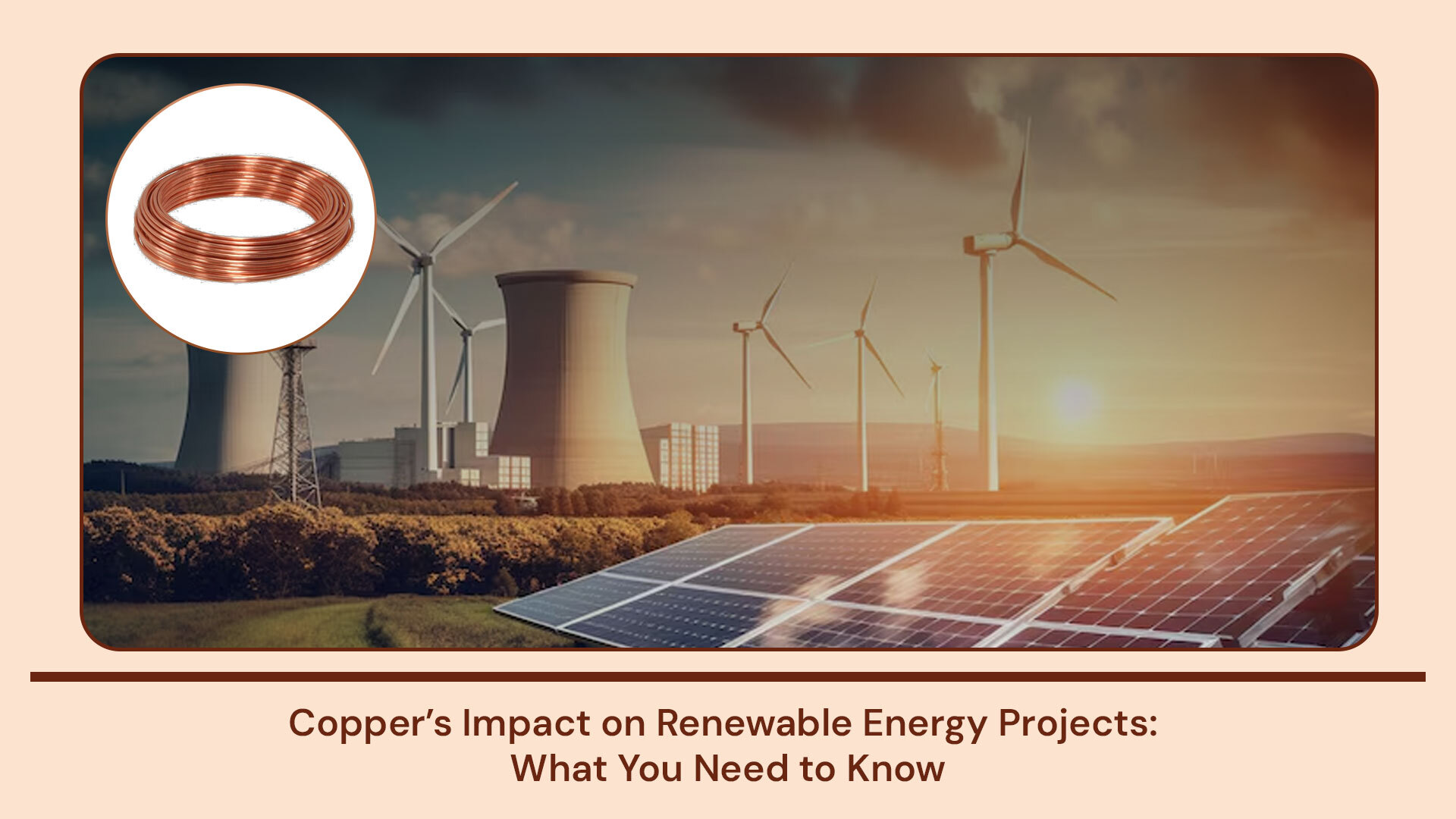
Copper’s Impact on Renewable Energy Projects: What You Need to Know
Copper is one of the most significant materials for the transition to green energy. Because it is a very efficient conduit, it is utilized in renewable energy systems all around the world to generate power from solar, hydro, thermal, and wind. Copper reduces CO2 emissions and lowers the amount of energy required to generate power. Many renewable energy systems include six times as much copper as typical systems. It is one of the few materials that can be recycled repeatedly without losing performance. Renewable energy sources account for roughly one-quarter of global power generation, and copper plays a crucial role in making it as efficient as possible while minimizing environmental damage. As the demand for green energy grows, so does the importance of copper, which has a direct impact on copper market prices. In this blog, we'll look at how copper supports green energy and why price movements matter so much.
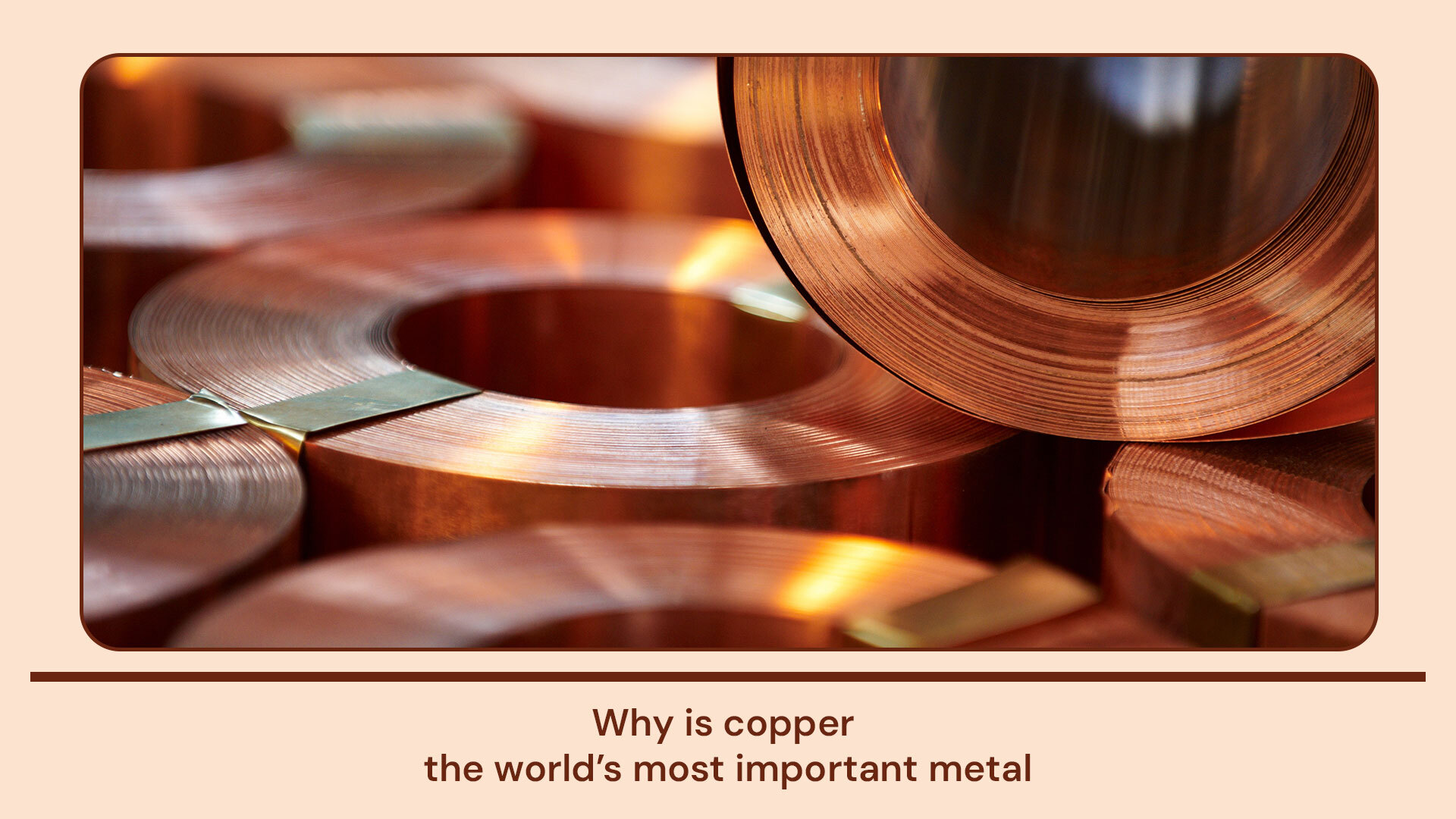
Why is copper the world’s most important metal?
With anticipated growth in demand, it is expected that copper demand will be doubled by 2035, reaching 50 million metric tons. Demand will only be met to an extent of 80% through currently operating mines and announced projections of copper mining by the year 2030. There has been a 501% year-on-year growth in copper alloy sourcing, which embraces brass, bronze, and engineering alloys, as per Thomasnet. Copper finds great application in such basic things as electric motors, power transmission apparatus, renewable energy conveniences, wind turbines, electronic instruments, and heat transfer; it is a modern convenience that finds application in robotics, automation, computation, and rapid energy transmission. Copper is the most fundamental metal in the entire world, as it majorly serves varied sectors, construction having some uses in manufacturing. It has properties that confer on it the highest rank among materials used in electrical wiring, plumbing, and construction of industrial machines—however, contributing to economic growth around the world. According to the International Copper Study Group, worldwide copper demand is forecasted to hit 28 million metric tons by 2025, emphasizing its ascending relevance in modern industry.
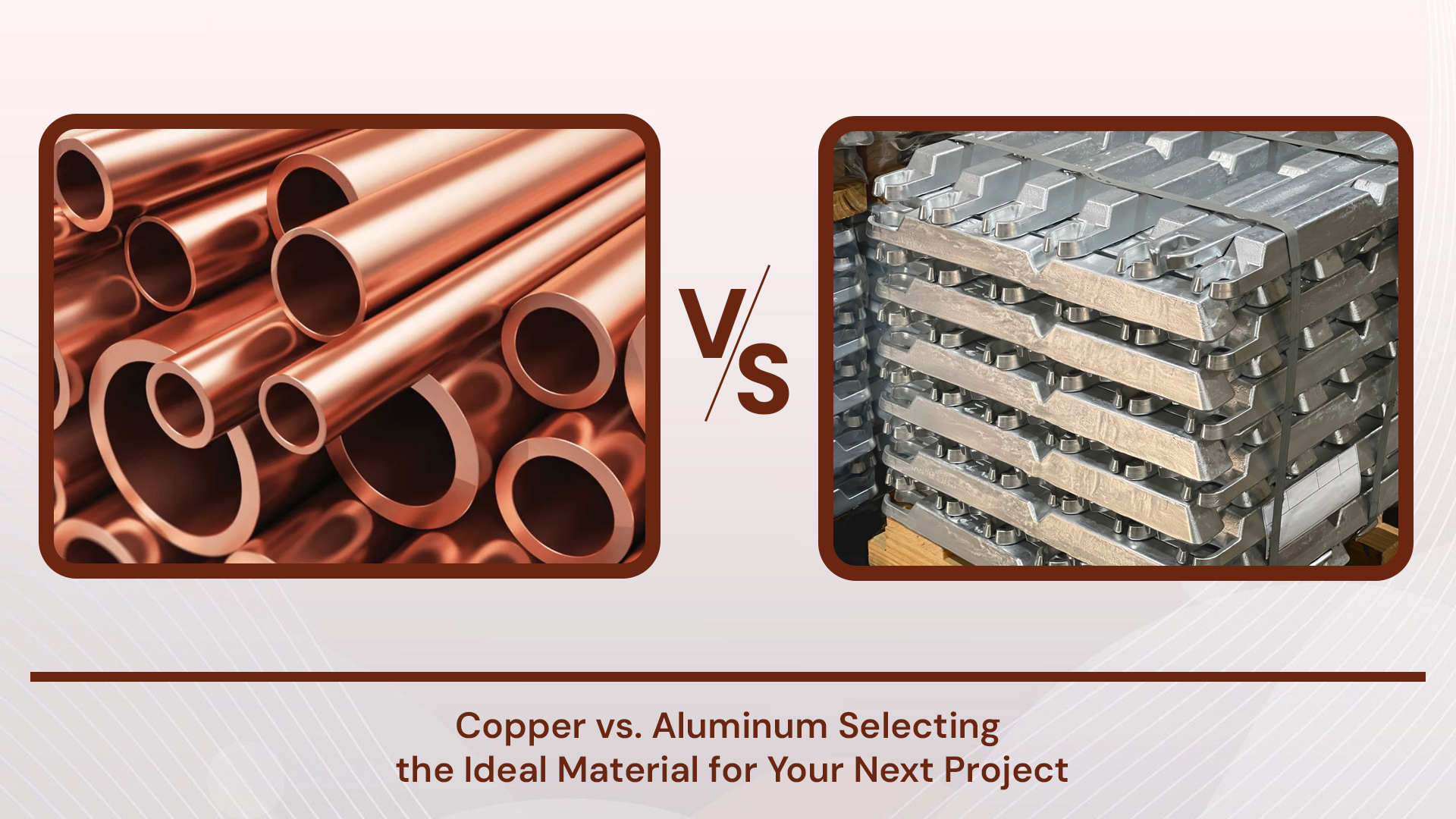
Copper vs. Aluminum: Selecting the Ideal Material for Your Next Project
Choosing the right material is no longer a cost issue in the present-day competitive environment of metal fabrication, as it touches on durability, efficiency, performance, and sustainability. Copper and aluminum, the two most widely used materials, stand out due to their unique properties. Knowing when to use them and under what conditions is essential for industries dealing in metals, MSMEs, and manufacturers who work with sheet metal, SS coils, and CNC processes. This guide helps differentiate copper from aluminum concerning metal fabrication applications to make sound material decisions.
The practice of recycling copper uses 85% less energy than that of primary copper production, while sharply reducing the energy required and the greenhouse gas emissions associated with energy use.
Copper is one of the few recyclable metals that can be reused indefinitely without any loss of quality, enabling its continued repurposing and retention in the economy.
The CO₂ emissions associated with secondary copper production are about 85-90% lower than primary copper production, which is a key contributor to achieving both national and global climate goals.
By recycling copper, less copper mining is conducted, thus mitigating the destruction of habitat, freshwater usage, and landfill disposal of this valuable metal.
Frequently asked questions