Key Features:
- Factors Affecting Weldability: Composition of Materials: Metals that are low in carbon or contamination have relatively better weldability. Heat Sensitivity: Metals such as stainless steel require controlled heat when welding to avoid distortion or brittleness.
- Improving Weldability by Processing: Preheat and post-weld heat treatment: reinforcement of residual stresses. TIG welding, MIG welding, laser welding, and other special welding methods will improve quality and strength.
- Applications: These high-weldable metals like low-carbon steels, aluminum, and nickel alloys are widely used in the automobile, aerospace, and construction industries with a lot of manufacturing processes.
Besides welding, it has always played a role in fabrication efficiency, integrity of structures, and economy. Improved weldability and techniques in welding and metallurgy are also coupled with automation providing more choices in materials for different industrial applications.
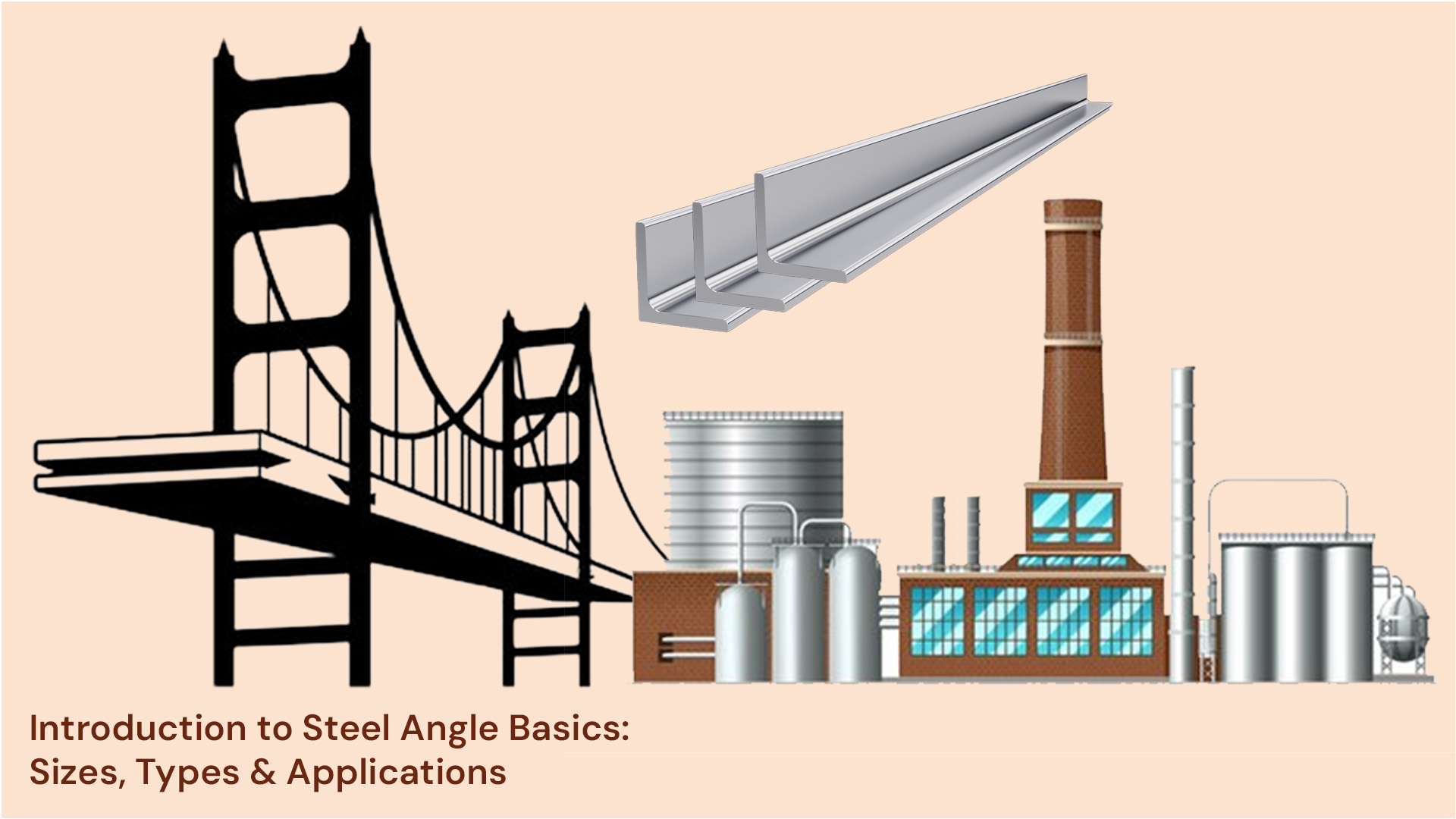
Introduction to Steel Angle Basics: Size...

The Role and Applications of Square MS P...
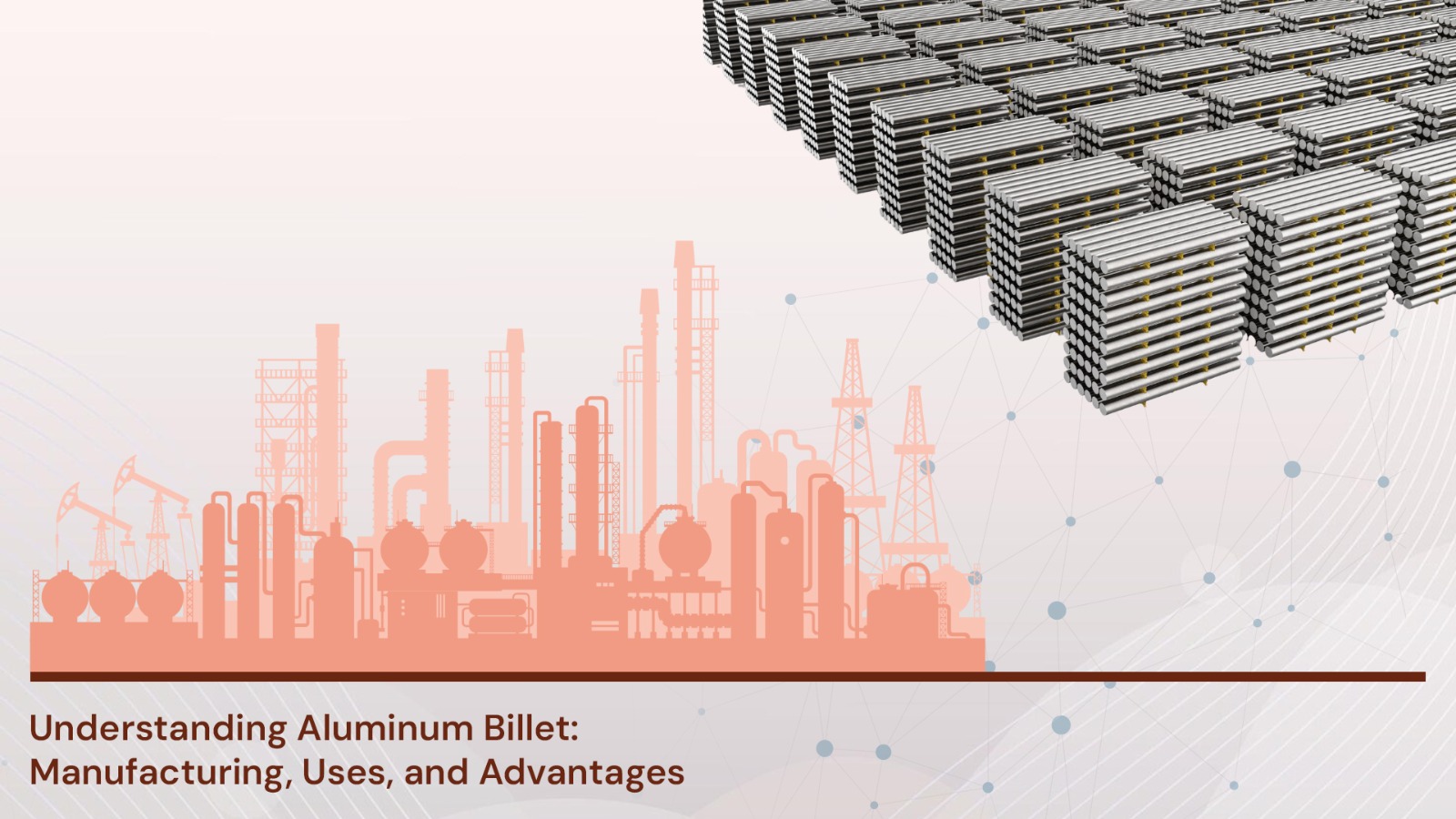
Understanding Aluminum Billet: Manufactu...
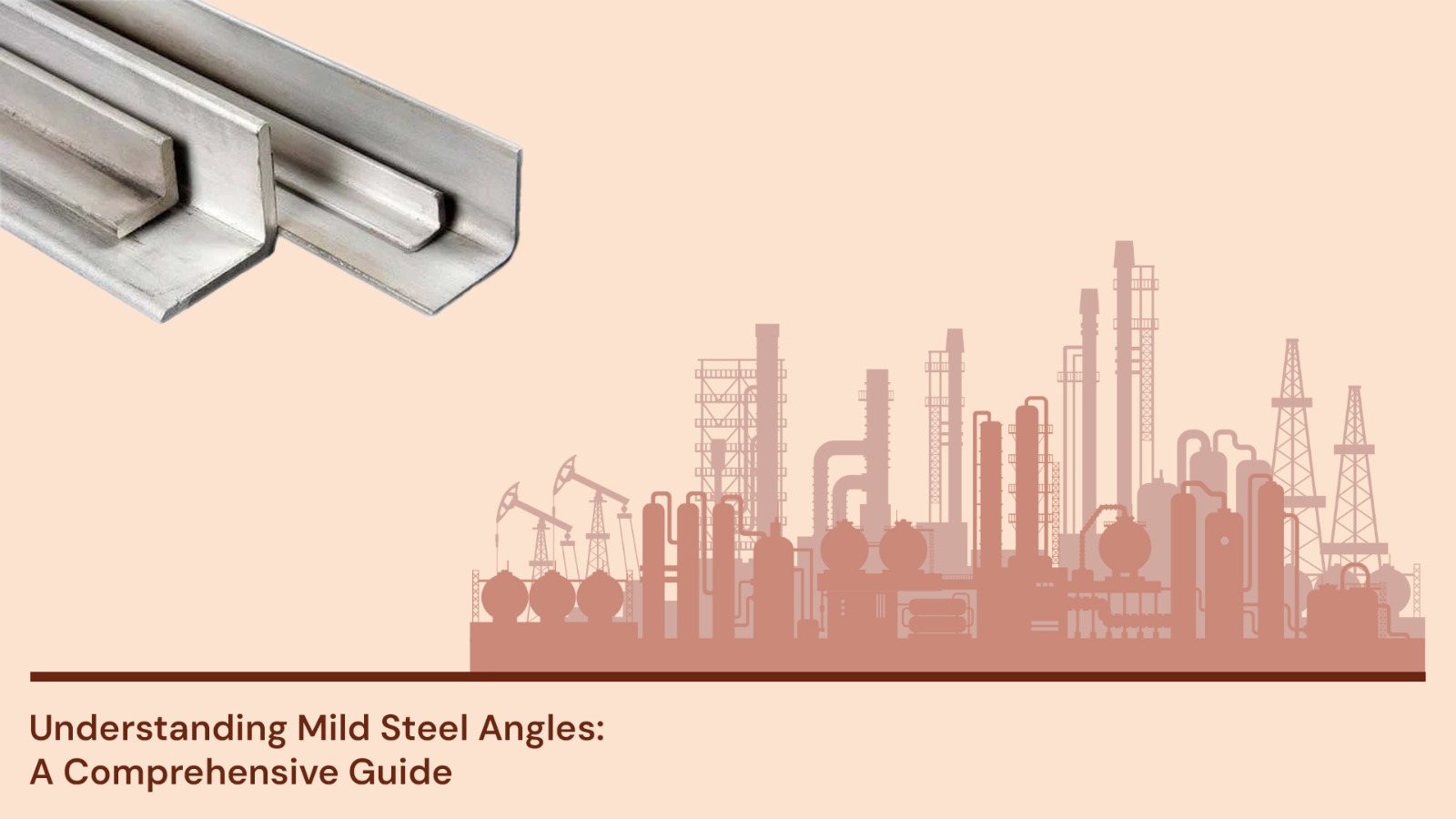
Understanding Mild Steel Angles: A Compr...
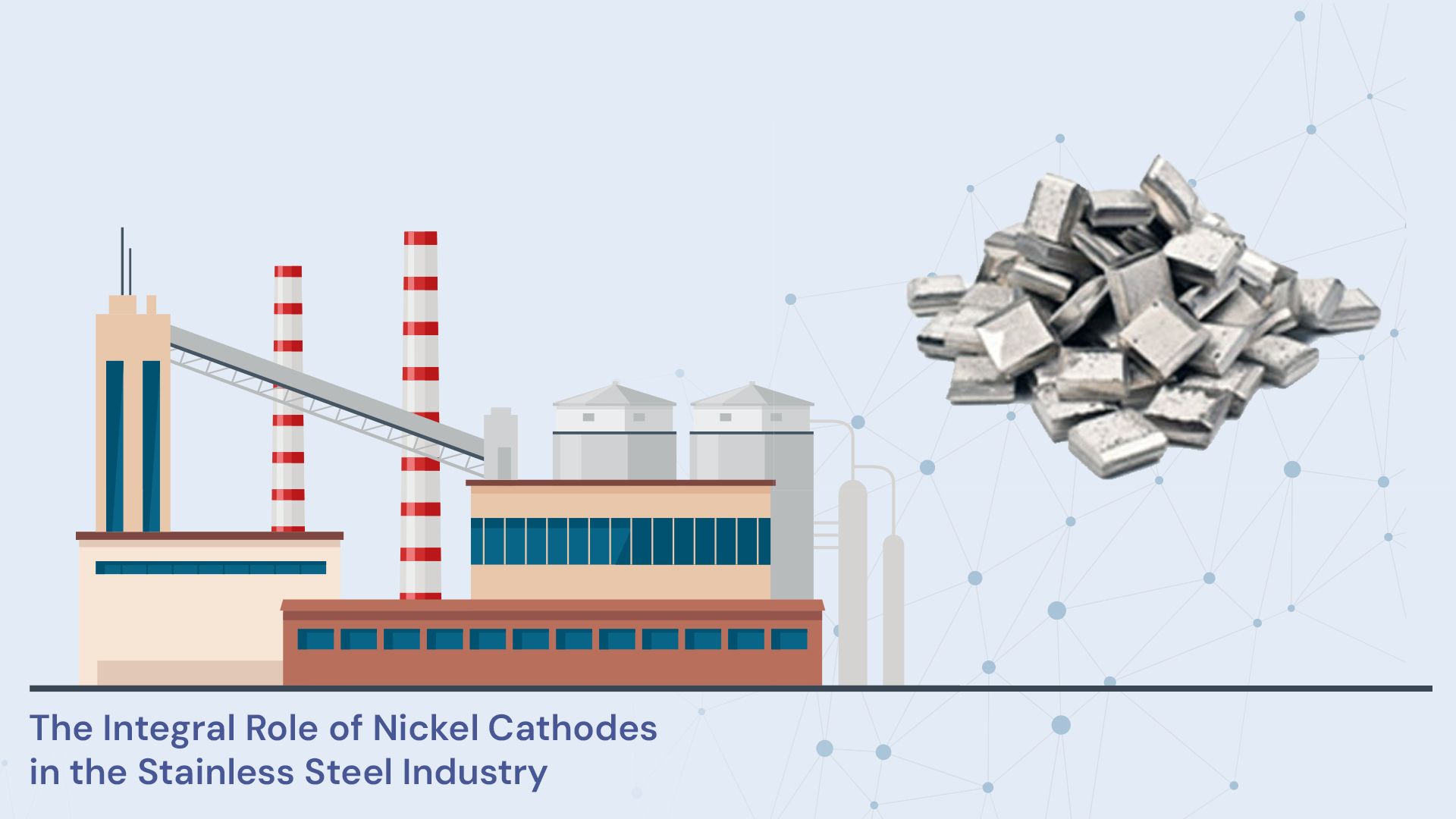
The Integral Role of Nickel Cathodes in ...
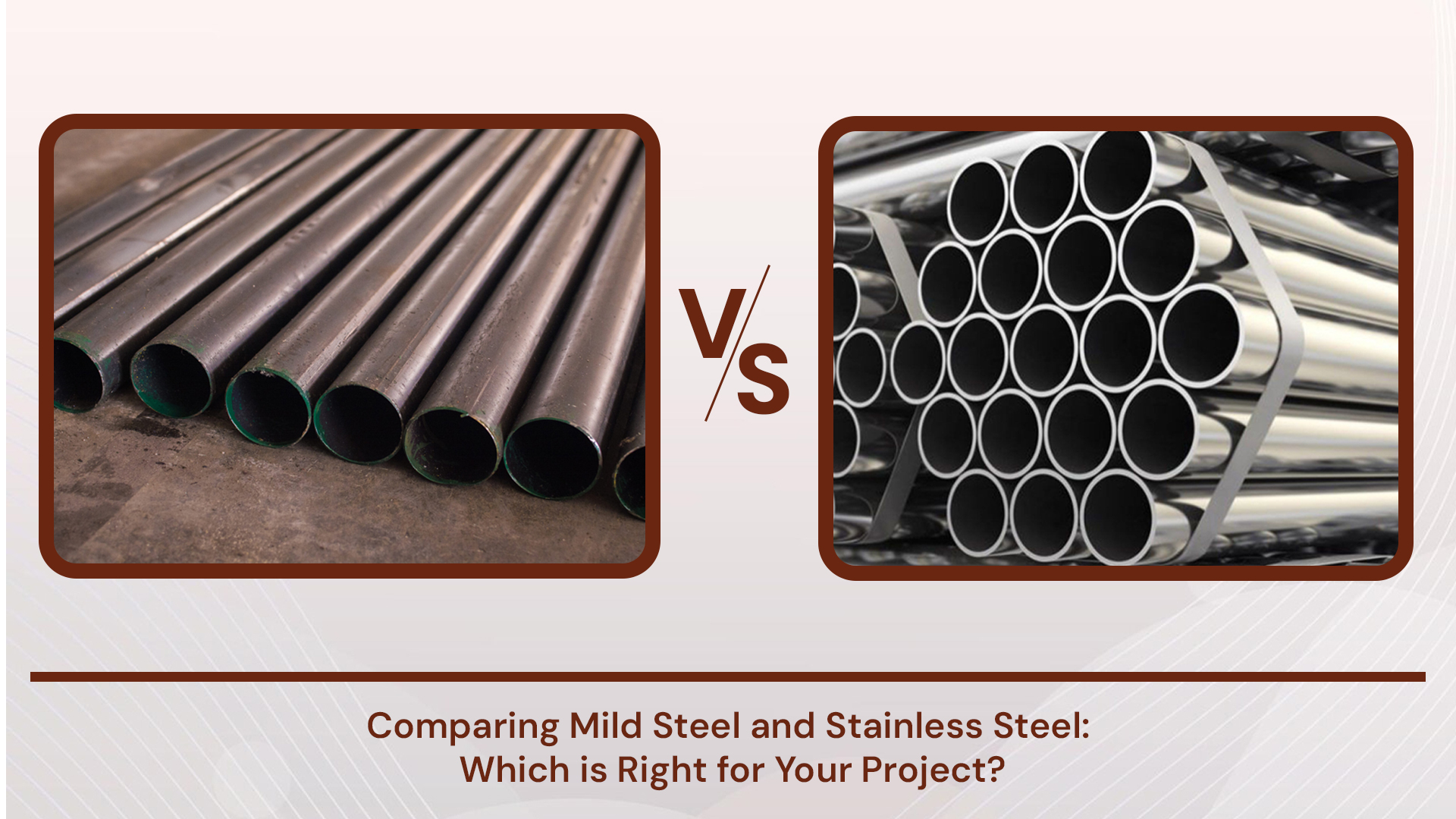
Comparing Mild Steel and Stainless Steel...
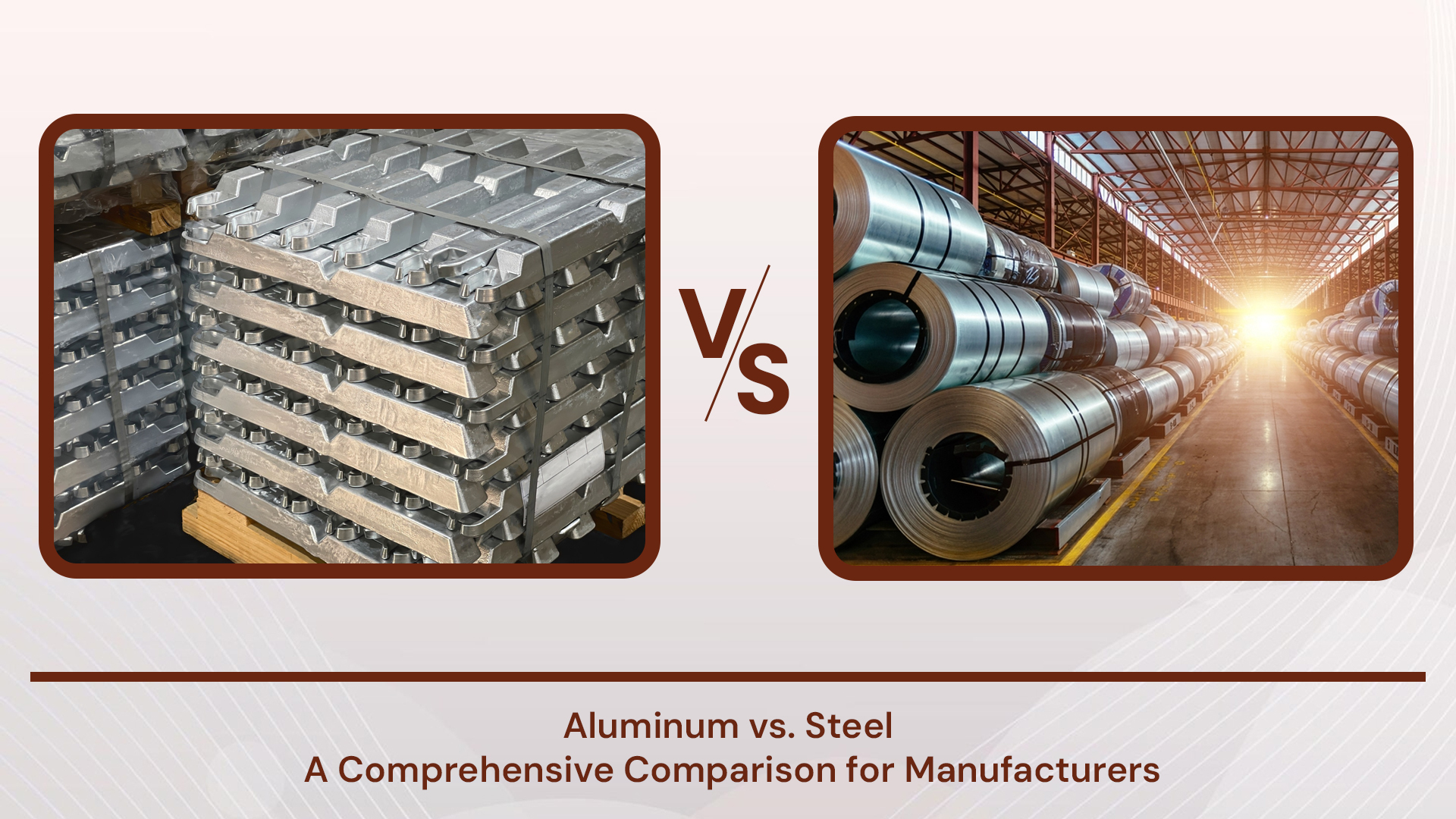
Aluminum vs. Steel: A Comprehensive Comp...
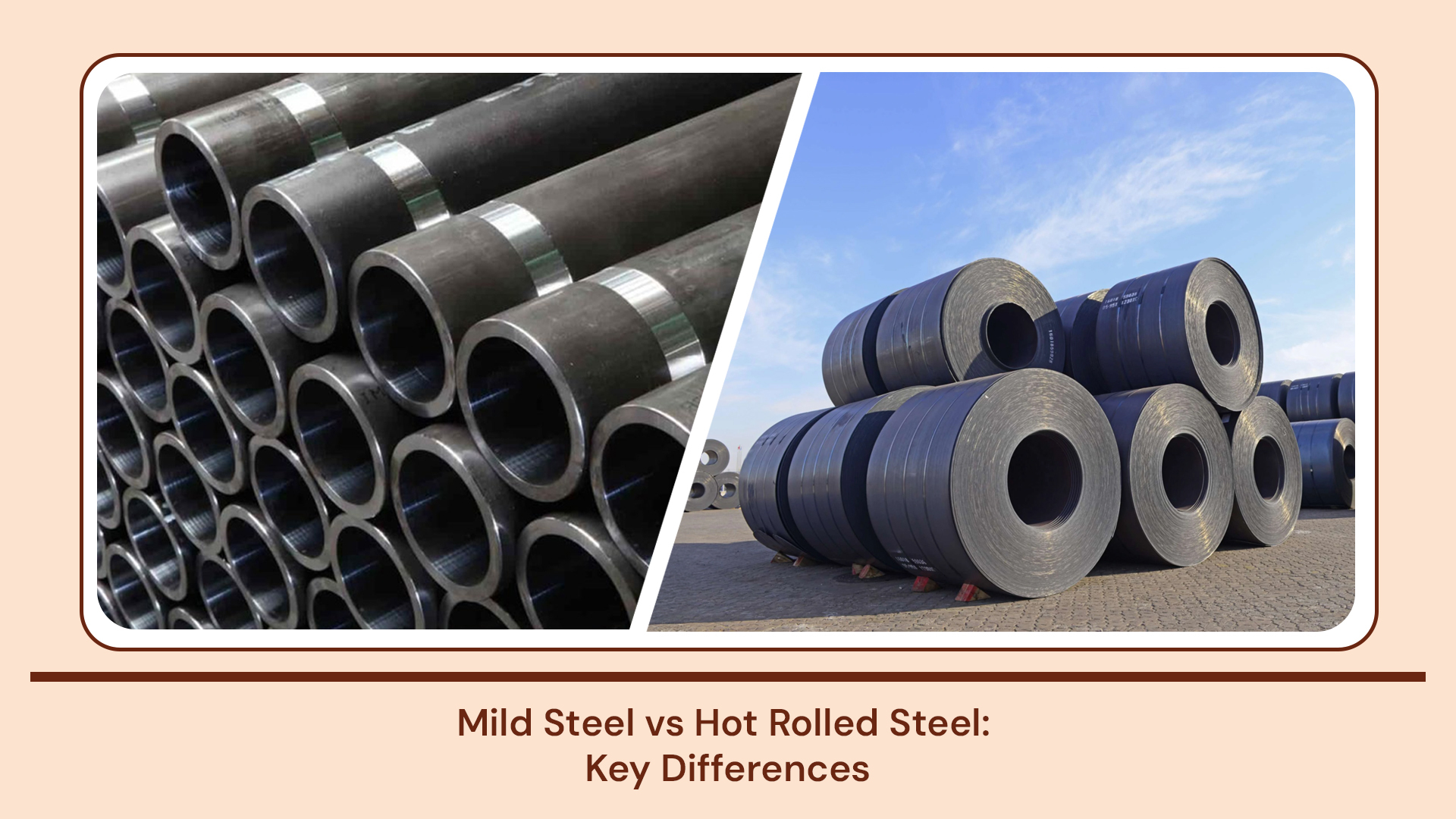
Mild Steel vs Hot Rolled Steel: Key Diff...
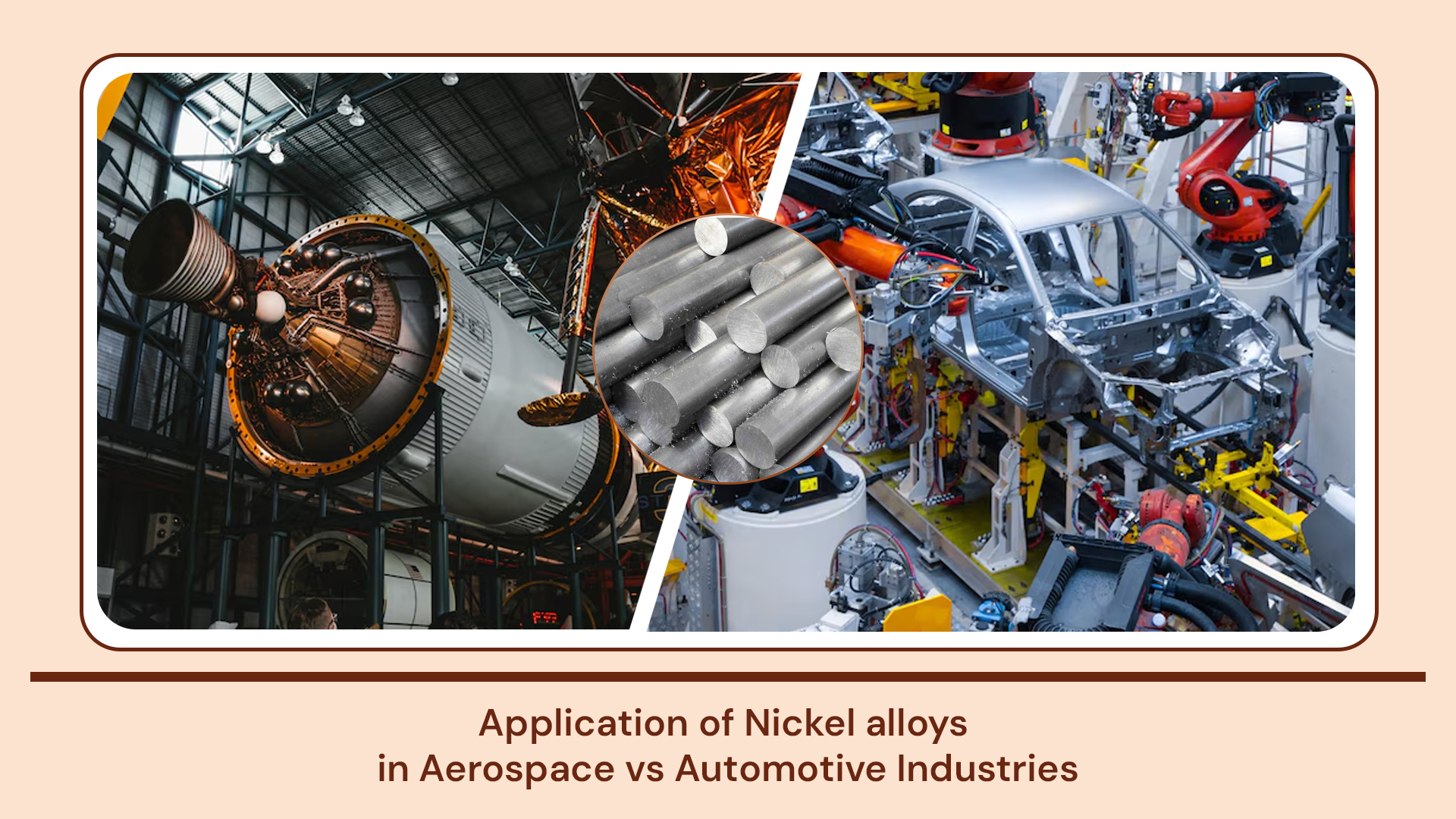
Application of Nickel alloys in Aerospac...
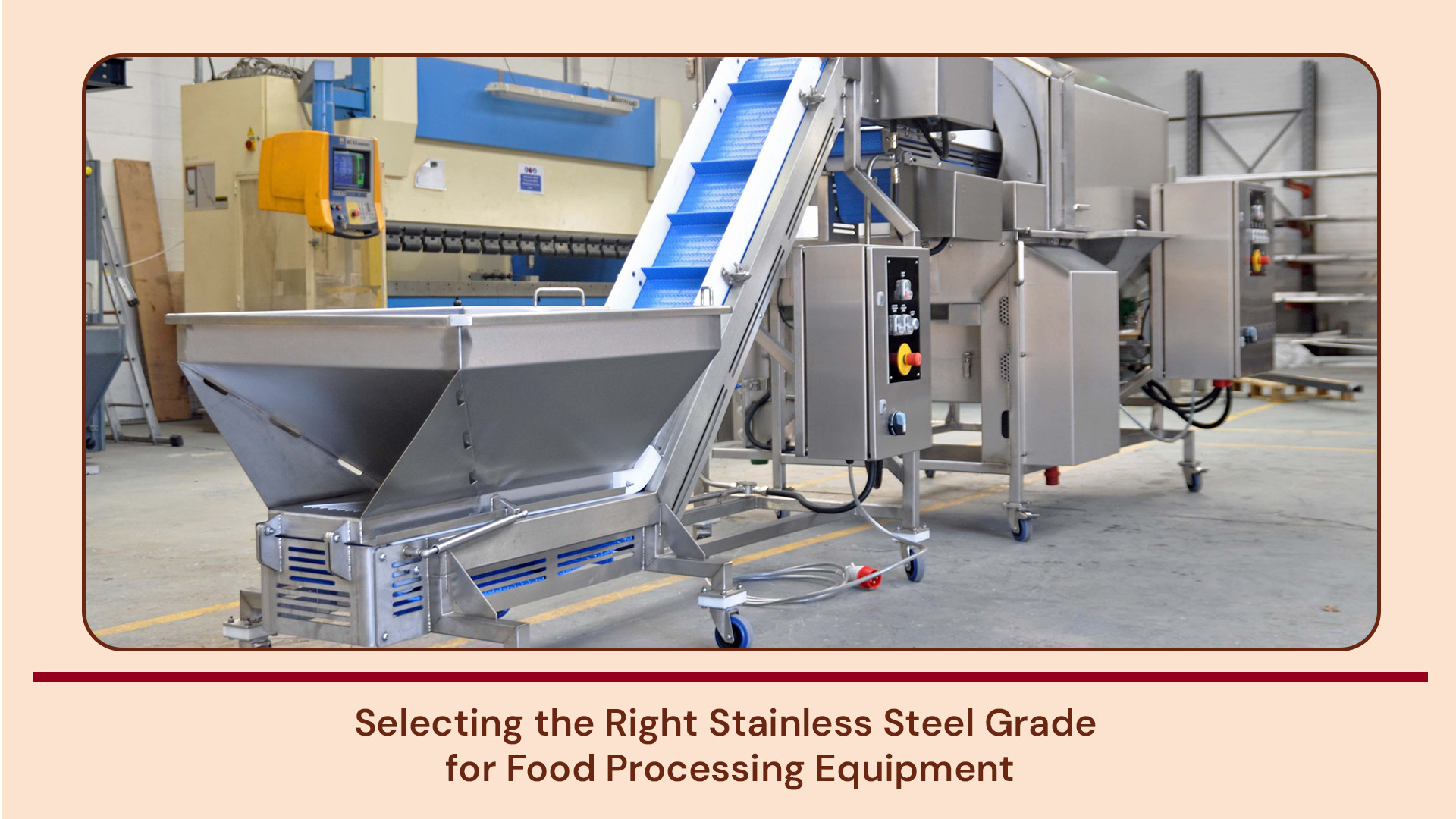
Selecting the Right Stainless Steel Gra...
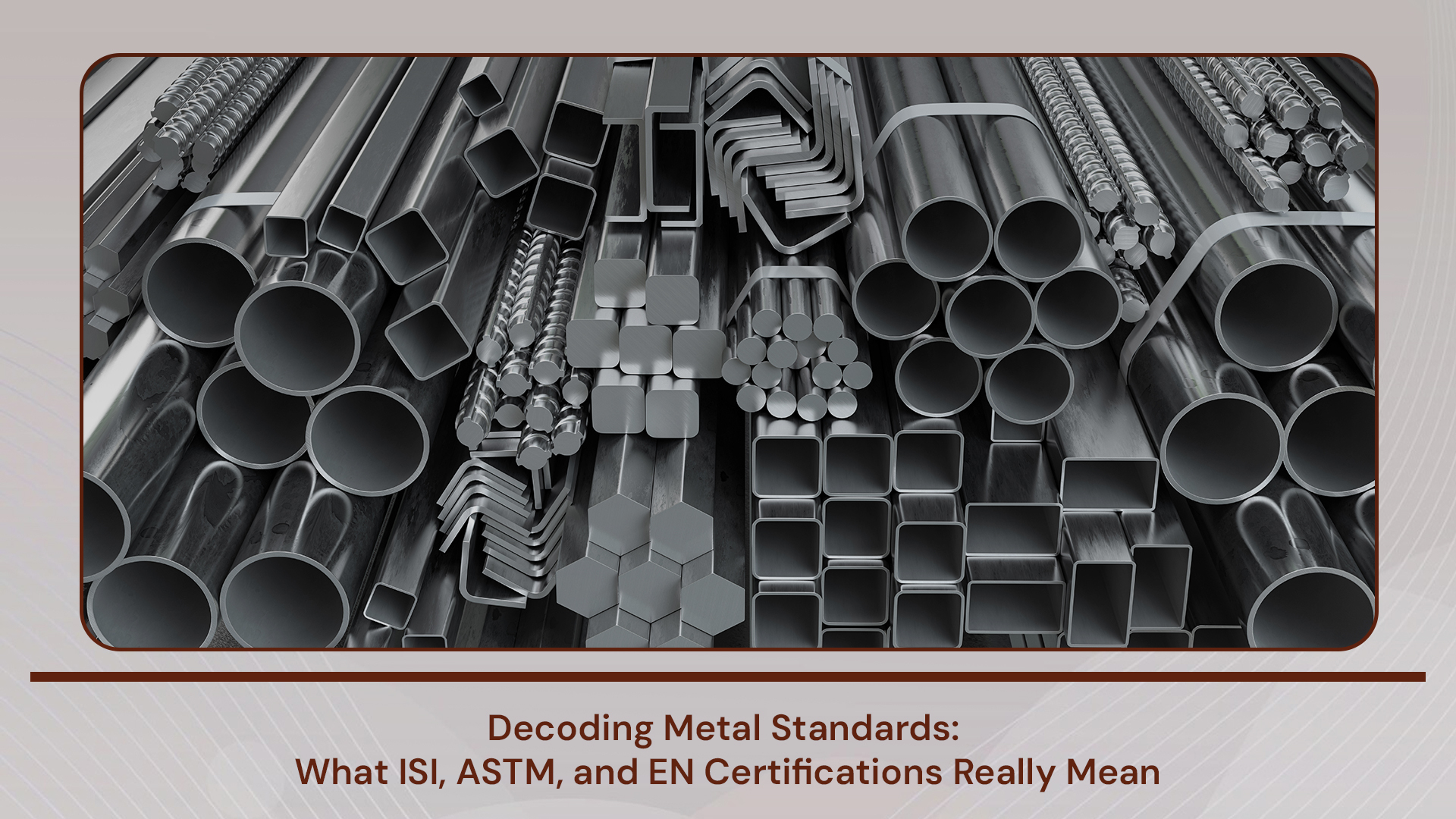
Decoding Metal Standards: What ISI, ASTM...

HSLA Grades Strengthens India’s Infrastr...