Key Features:
- Types of Tensile Strength: Yield Strength: The material is arriving at the yield stress, where permanent deformation initiates. Ultimate Tensile Strength (UTS): The maximum stress a material can sustain pre-failure. Breaking Strength: The stress level at which there is complete material failure.
- Natural and Man-made Factors Influencing Tensile Strength: Composition of material, heat treatment, grain structures, and environment would influence tensile strength.
- Different Applications: It applies to the construction, automotive, aerospace, and manufacturing industries where materials are subjected to high mechanical loads.
The importance of tensile strength arises from its selections for safety and performance. In aerospace and automotive applications, materials with high tensile strength would enhance durability versus weight. In civil engineering, buildings like bridges and skyscrapers require materials of high tensile strength to remain stable and effective over a long time. Advances in metallurgy and composite materials are underway in order to improve tensile strength in new applications.

7 reasons why Steel is a superior constr...

Building Strong Foundations: The Power o...

From Ore to Infinity: Unveiling Steel's ...

How Steel is made?

What Are the Uses Of MS Channels?
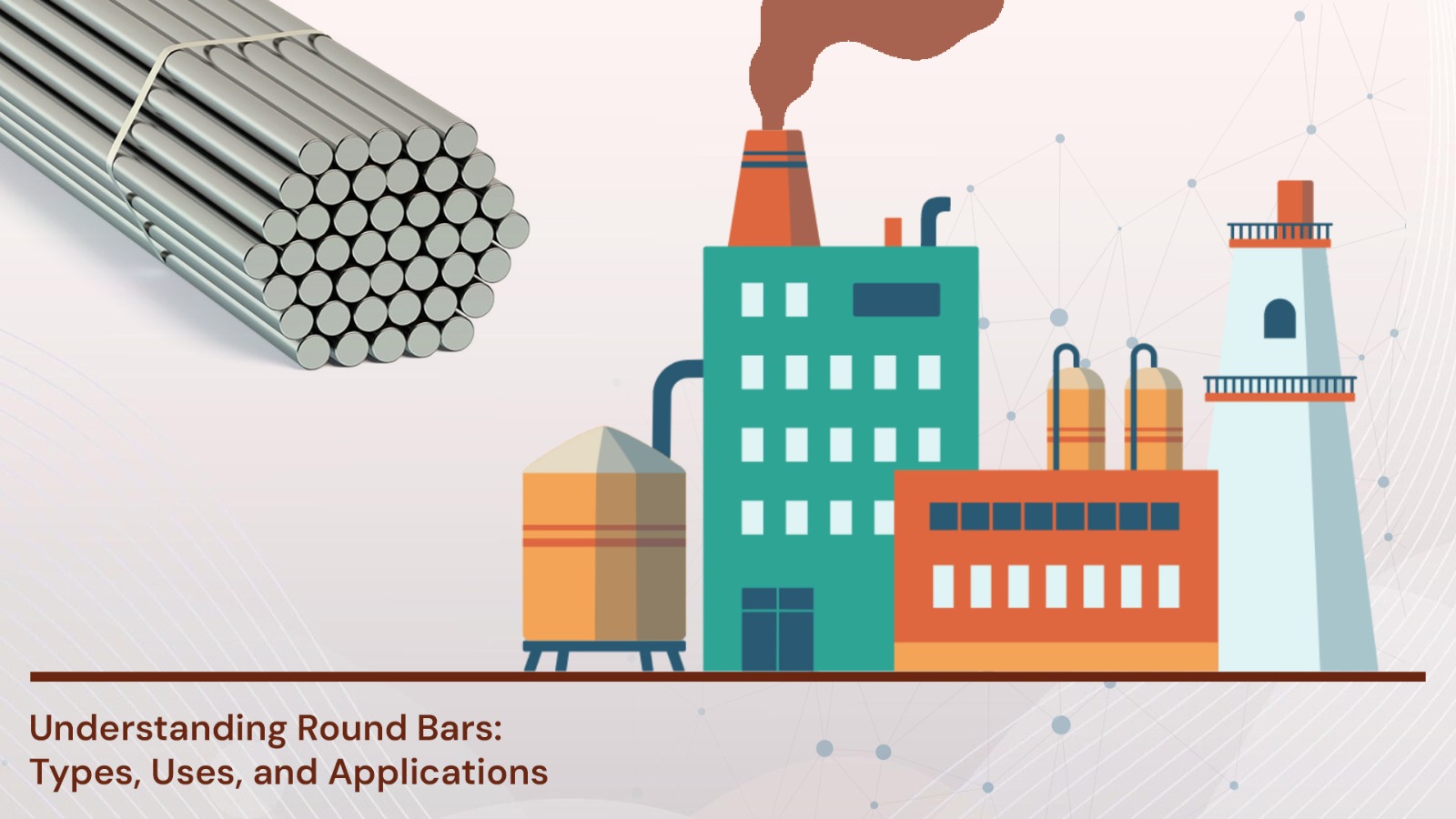
Understanding Round Bars: Types, Uses, a...

The Role and Applications of Square MS P...
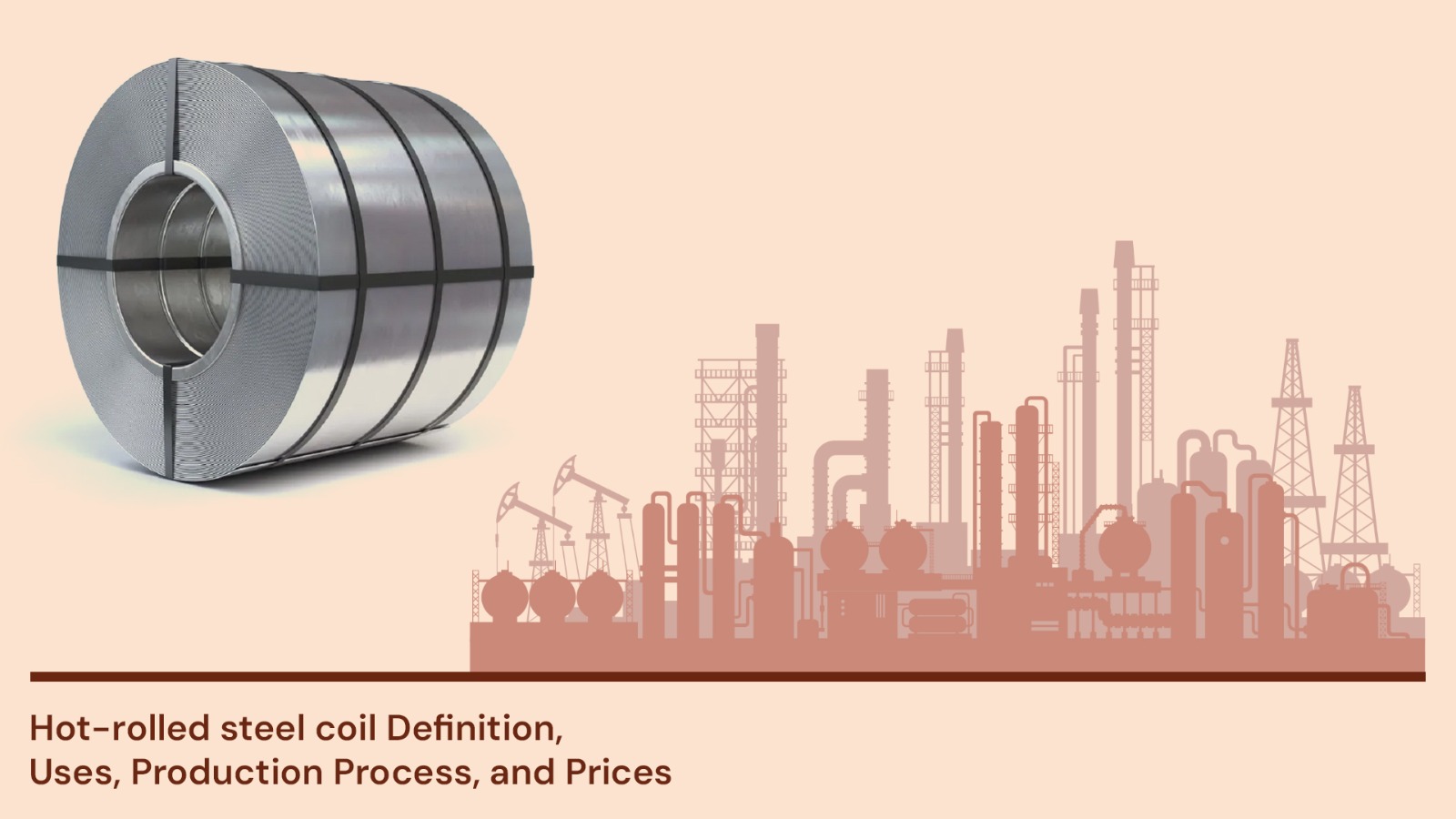
Hot-rolled steel coil: Definition, Uses,...

The Ultimate Guide to Zinc Ingots: Appli...
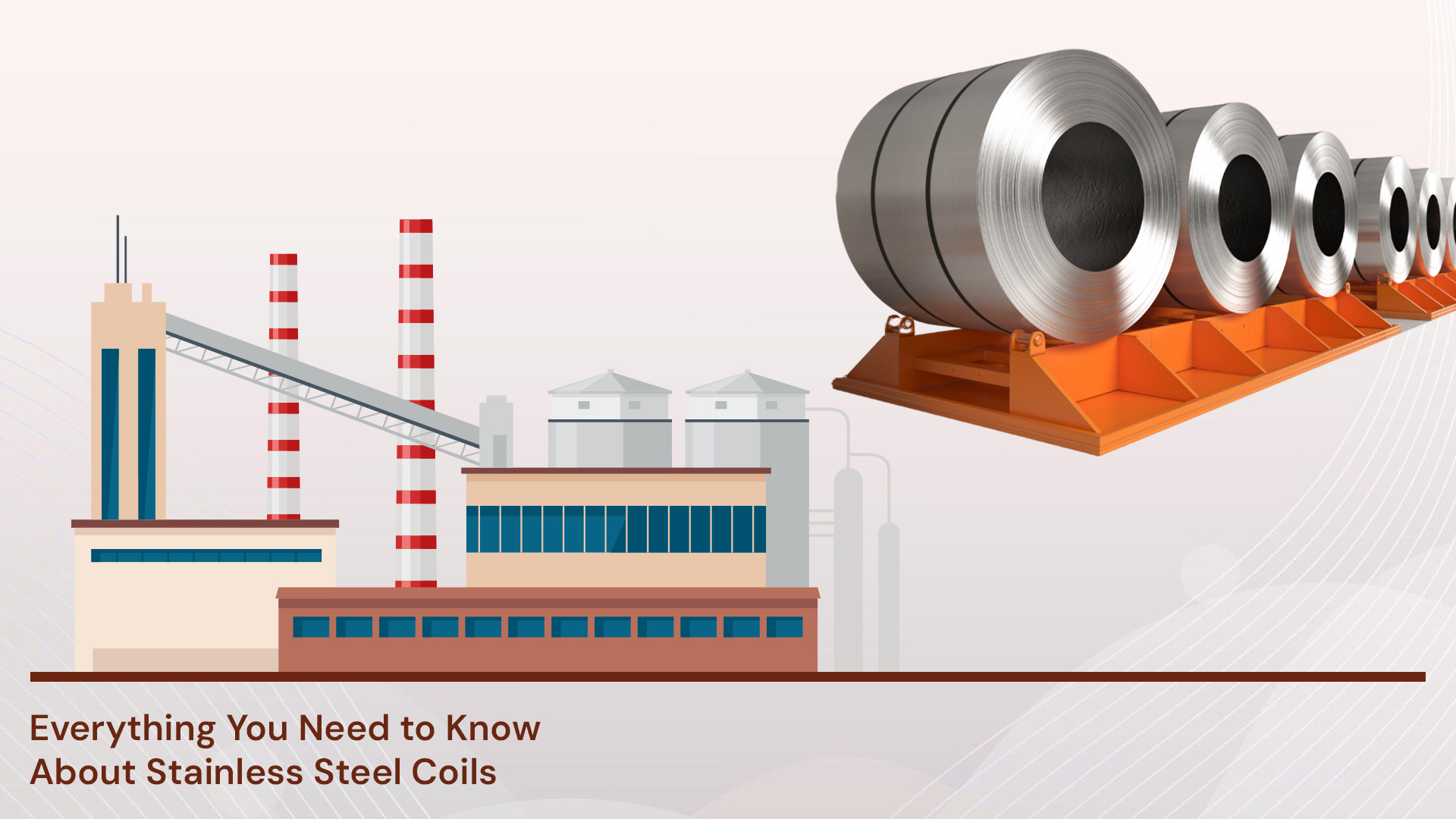
Everything You Need to Know About Stainl...
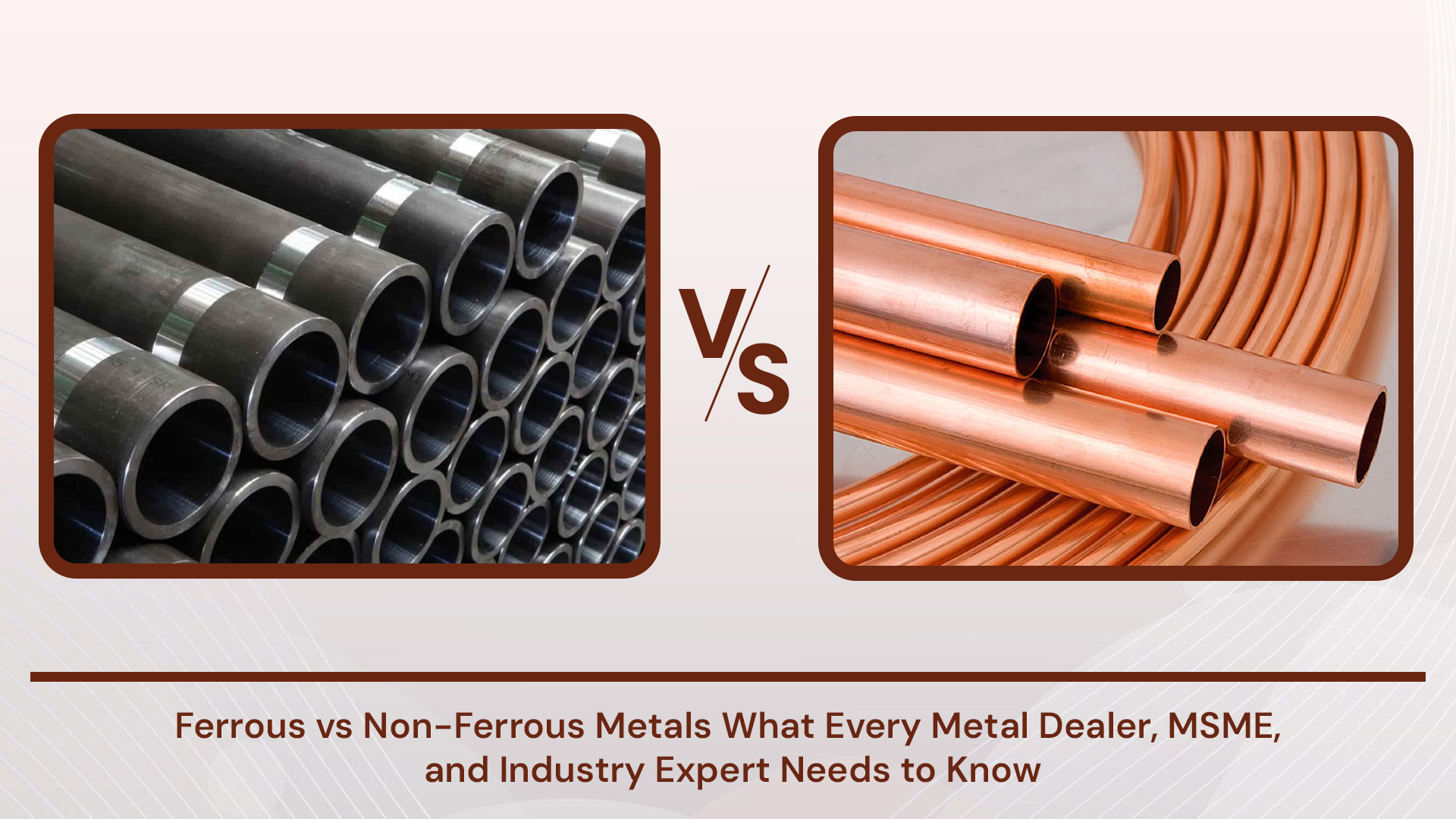
Ferrous vs Non-Ferrous Metals: What Ever...
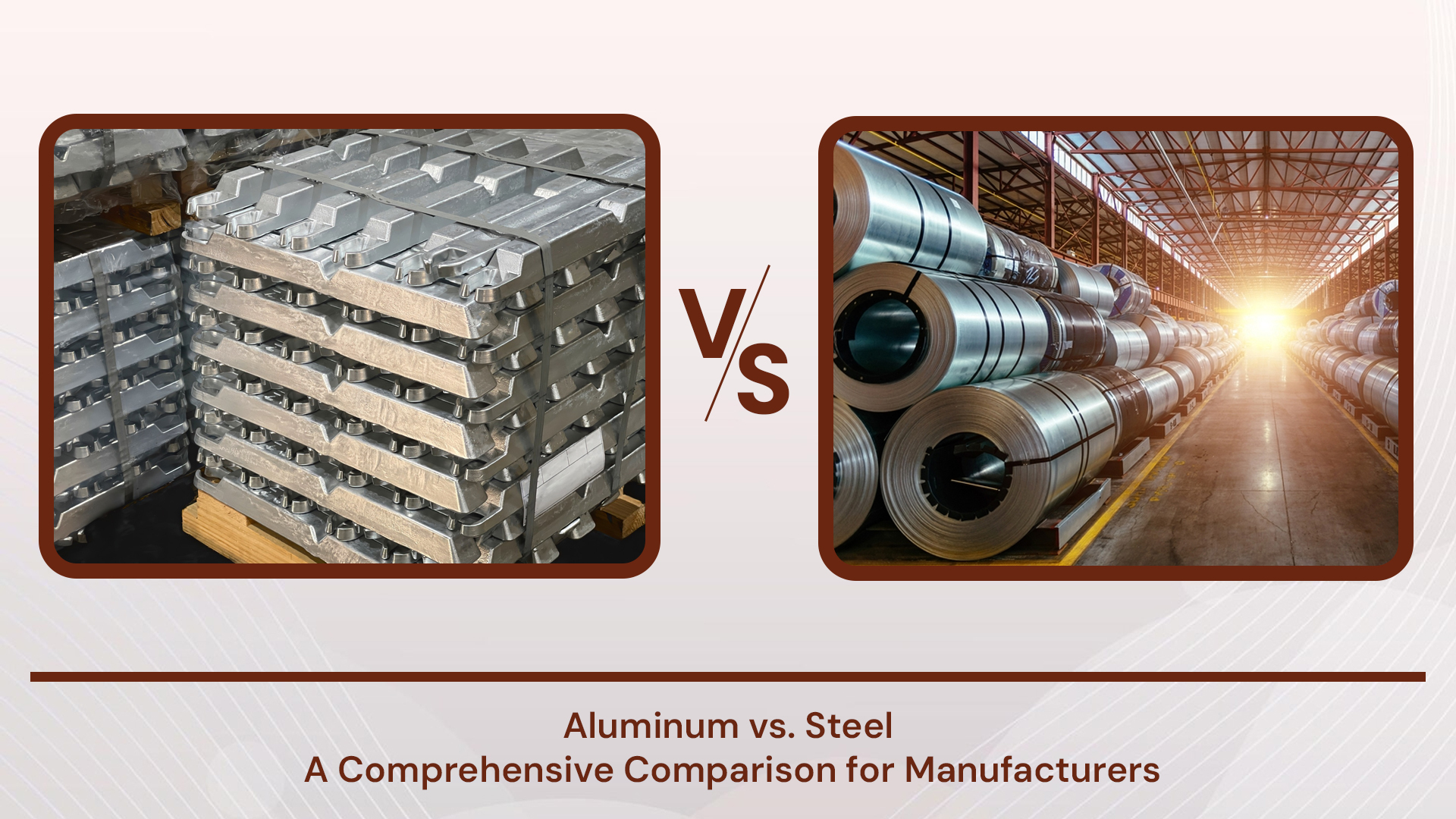
Aluminum vs. Steel: A Comprehensive Comp...
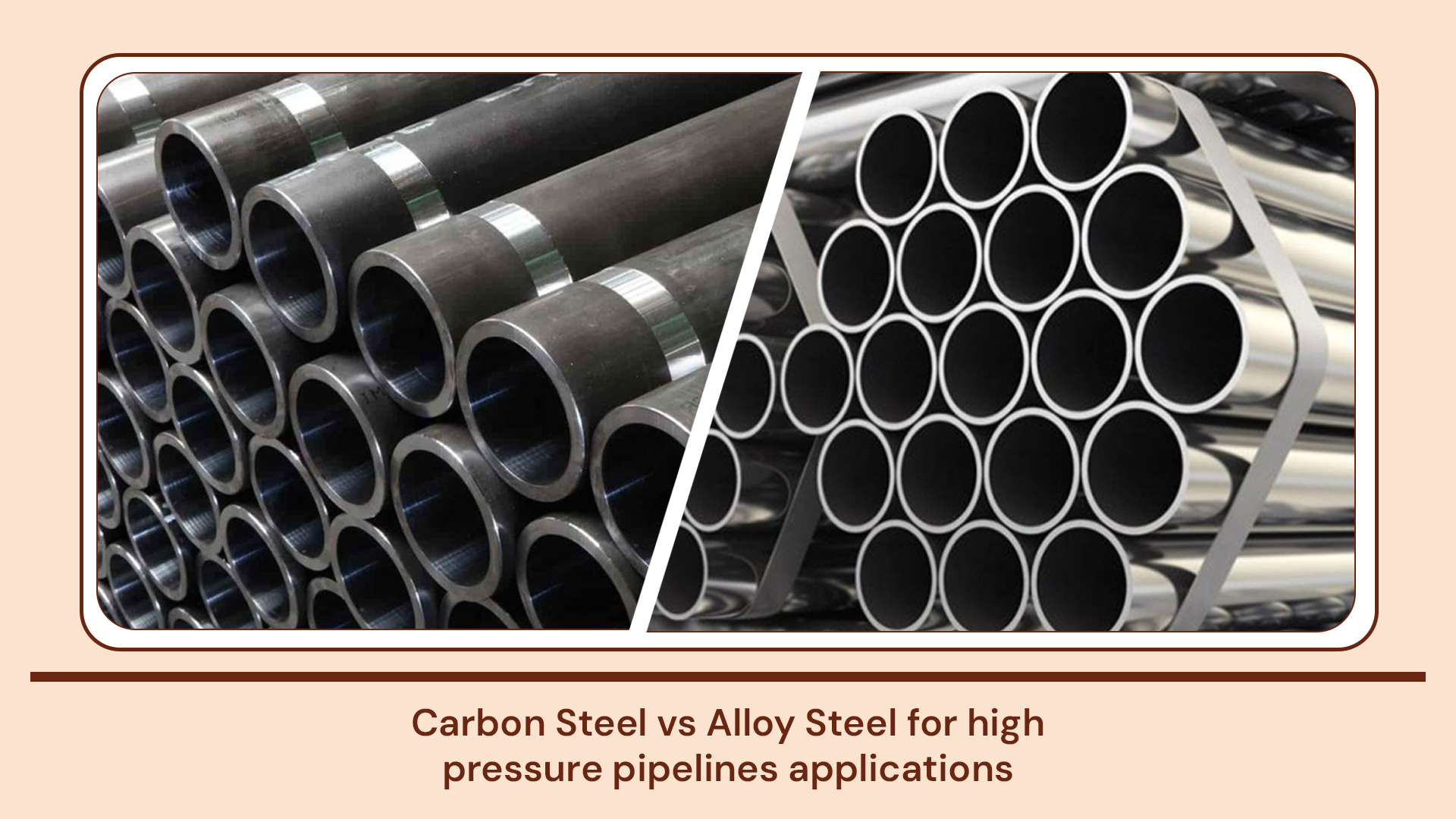
Carbon Steel vs Alloy Steel for high-pre...
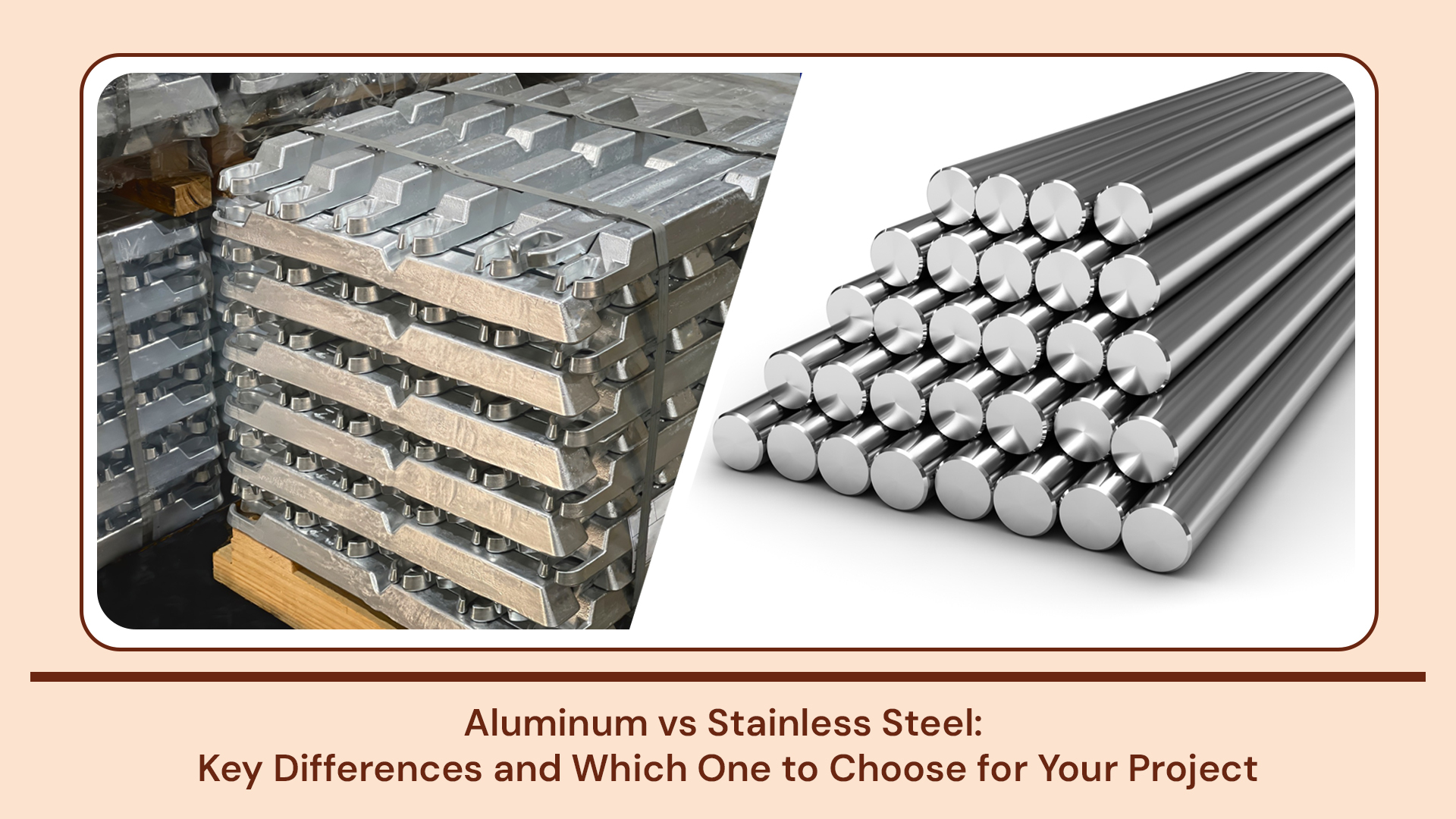
Aluminum vs. Stainless Steel: Key Differ...
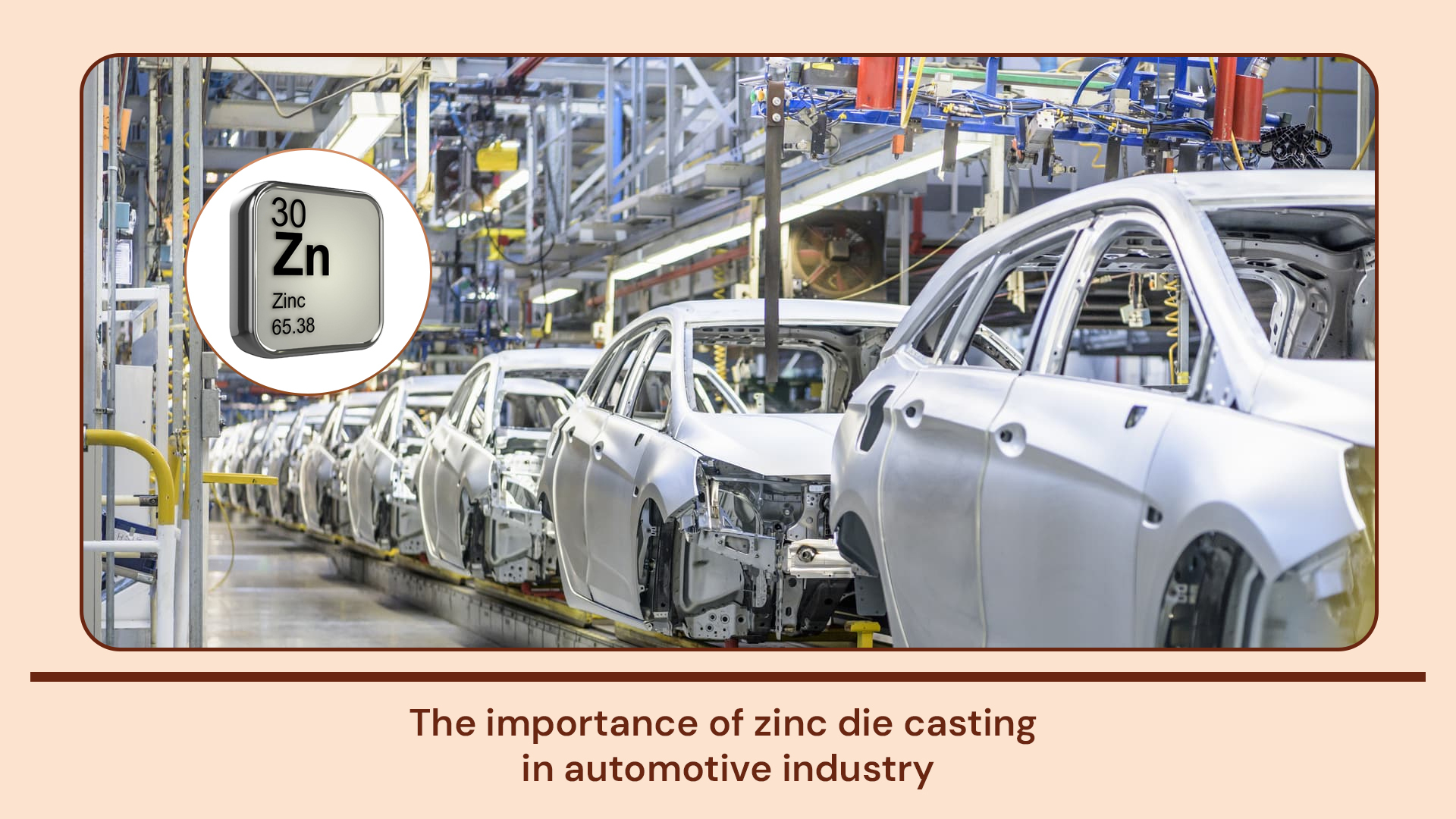
The Importance of Zinc Die Casting in Au...
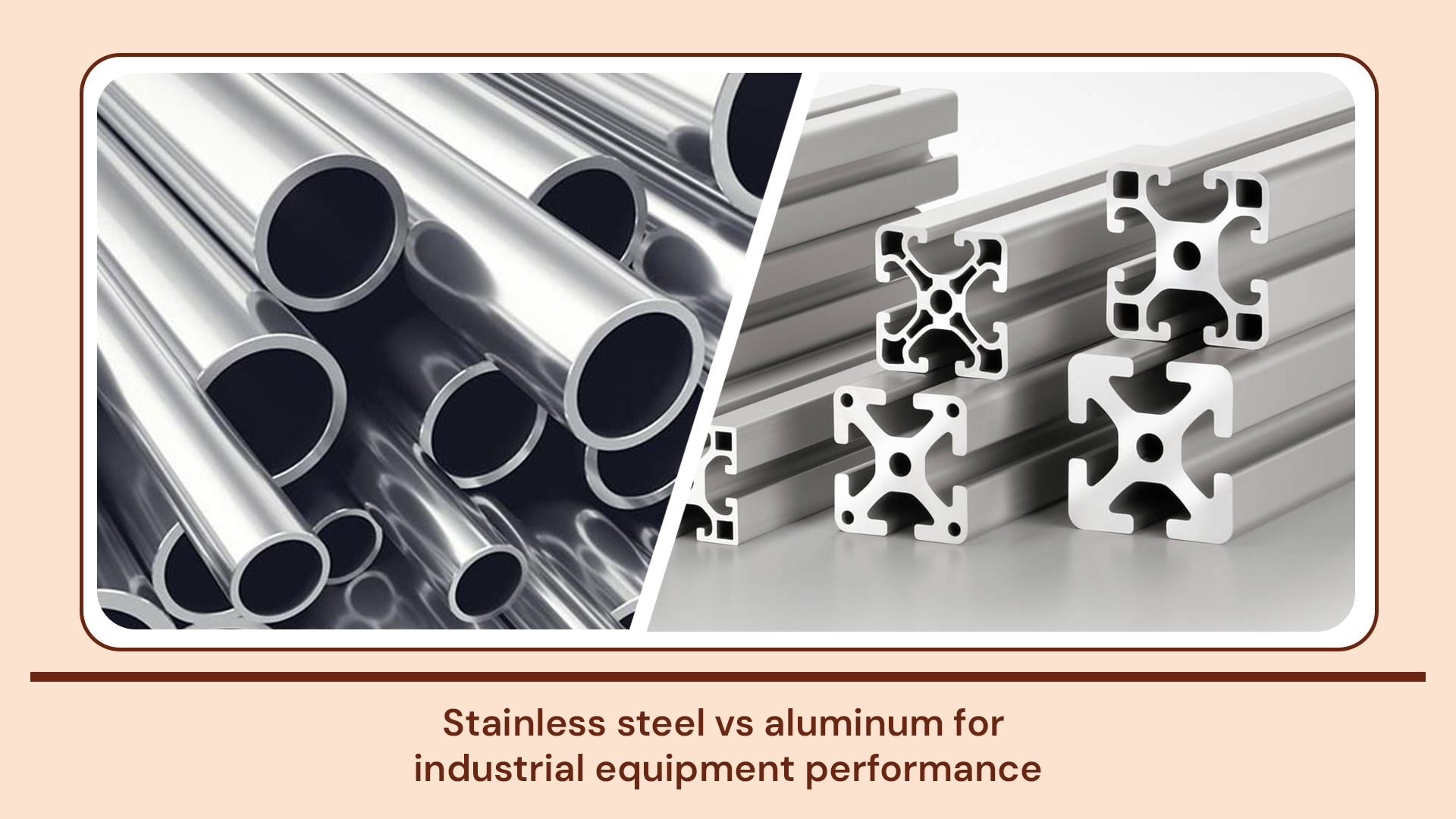
Stainless steel vs aluminum for industri...
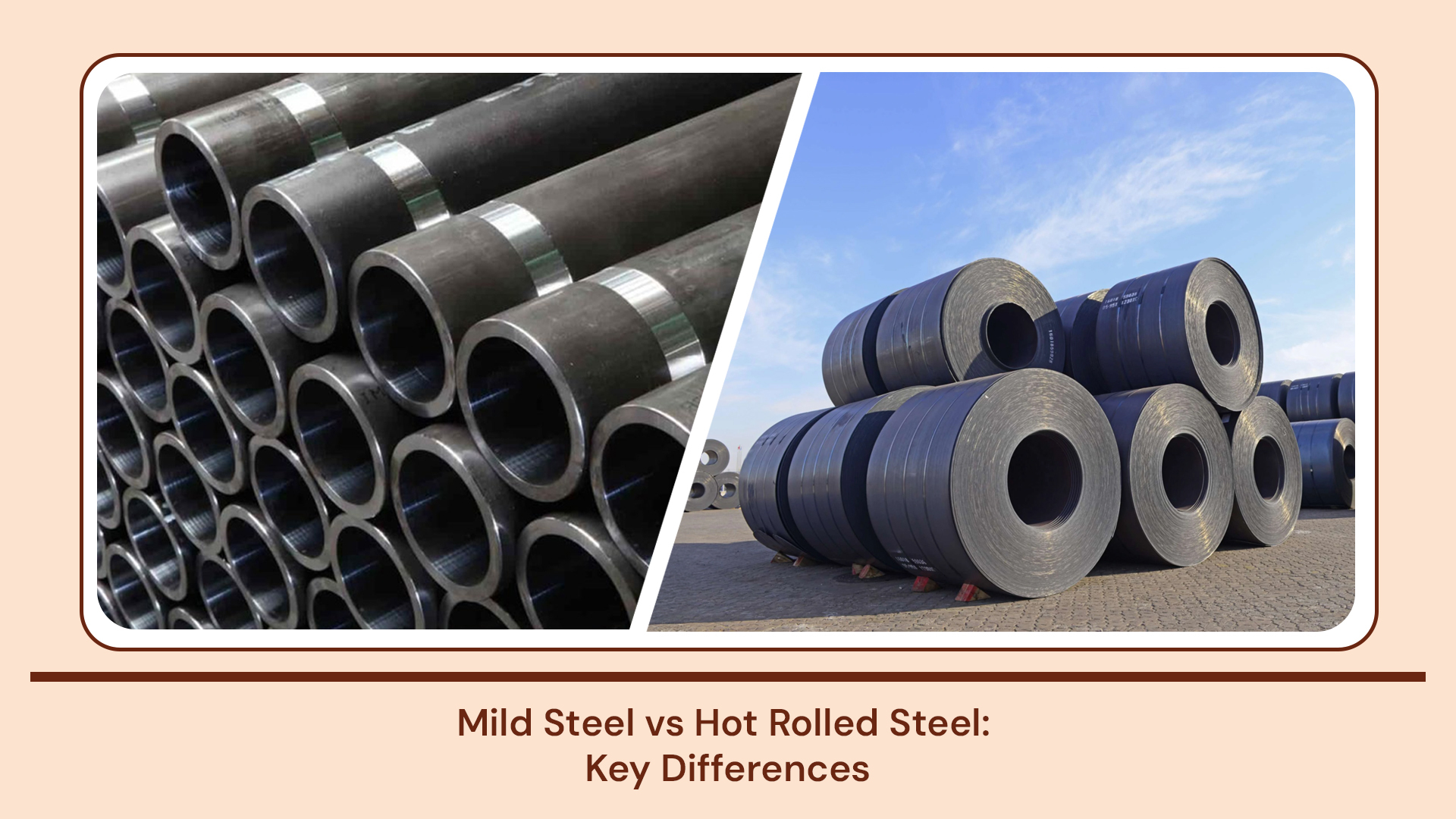
Mild Steel vs Hot Rolled Steel: Key Diff...
What Makes a Metal “High Quality”? Let’s...

How Steel Is Shaping India’s Smart Citie...
Decoding Metal Standards: What ISI, ASTM...