Steelmaking refers to the conversion of raw materials, including iron ore and scrap steel, into steel through the refining of the impurities from molten iron and adjusting the alloy's composition based on the desired properties, such as strength, durability, and performance. The steelmaking process is critical to modern industrial manufacturing, as it creates the material that forms the structure and framework of nearly all products and applications.
Key Features:
- Removal of Impurities: To increase the purity of the steel, impurities such as nitrogen, sulfur, and phosphorus must be removed.
- Control of Alloying Elements: To control the hardness, toughness, and resistance to corrosion of steels, specific elements such as chromium, nickel, or manganese are incorporated into the steel during the steelmaking process.
Steelmaking plays a vital role in the production of many of the most important industries, including construction, automotive, shipbuilding, energy, machinery, and infrastructure. Steel is used to produce nearly everything we use to construct buildings, bridges, pipelines, tools, vehicles, appliances, and heavy machinery. The flexibility and reliability of steel have made it an essential component of the continued growth of our world and the advancement of engineering technologies.
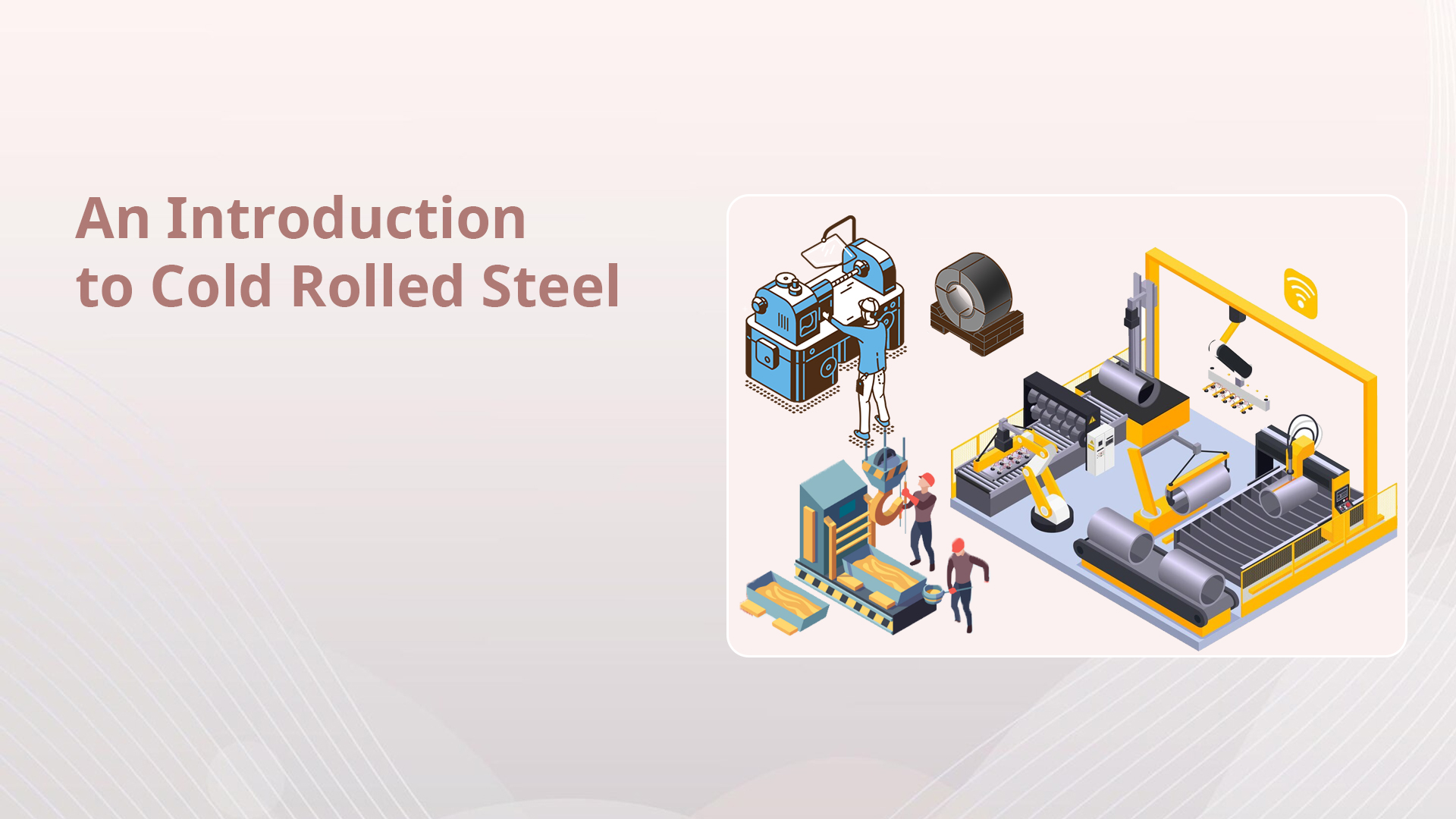
An Introduction to Cold Rolled Steel
Global Shift towards Green Steel
How is India planning to decarbonise the...
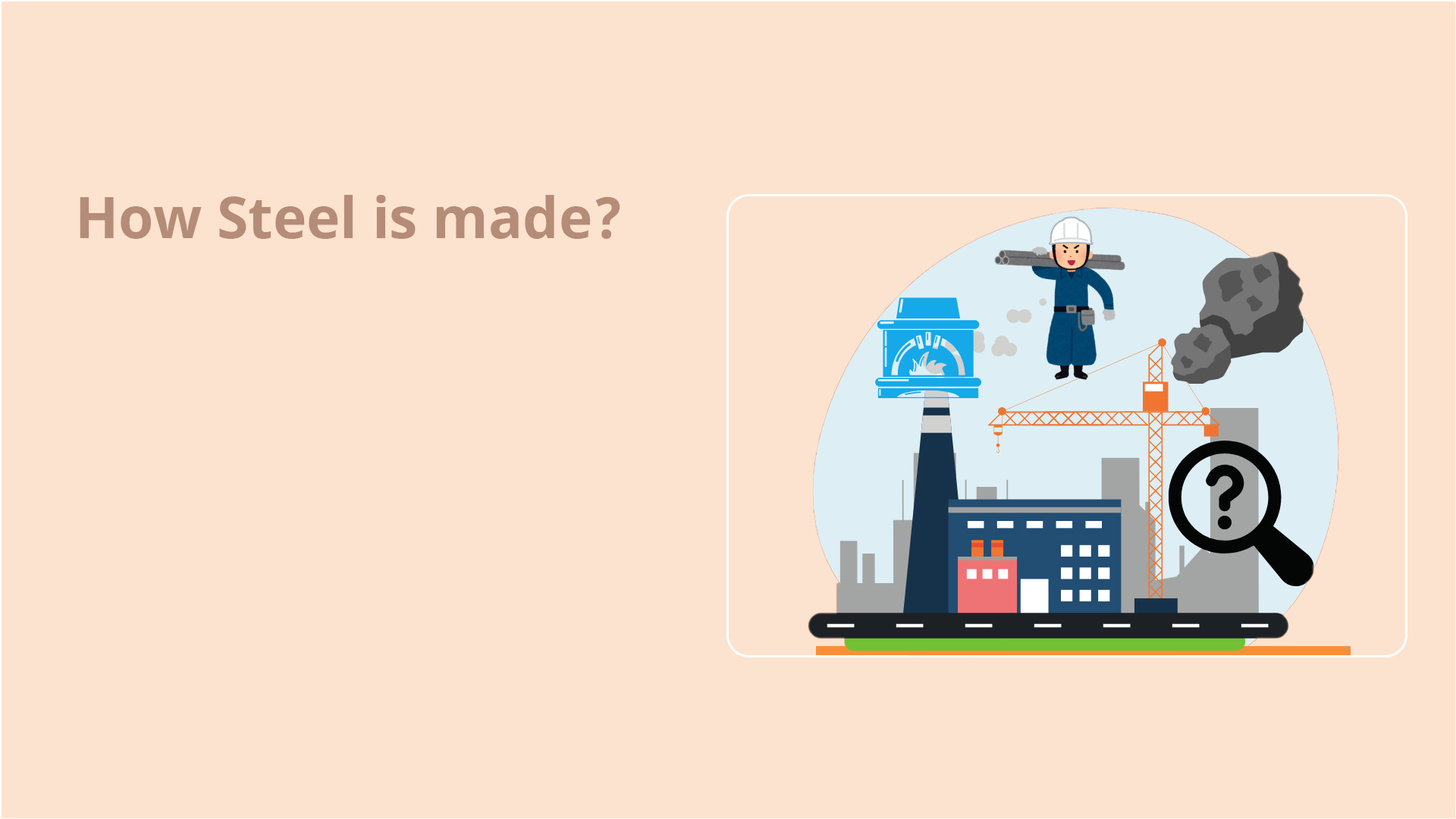
How Steel is made?
Impact of Climate goals on the Steel Ind...
India’s opportunity for steel Decarboniz...
Steel Industry in the Modern World: Chal...
The Basics of Stainless Steel: A Compreh...
The Ultimate Industrial Revolution: How ...
Top 10 Largest Steel Producing Companies...
Transforming Plastic Waste into Green St...
Sustainable Steel: Recycling, Water Mana...
Steel Industry Roadmap: Innovation, Sust...
Union Budget 2025-26: Key Highlights for...
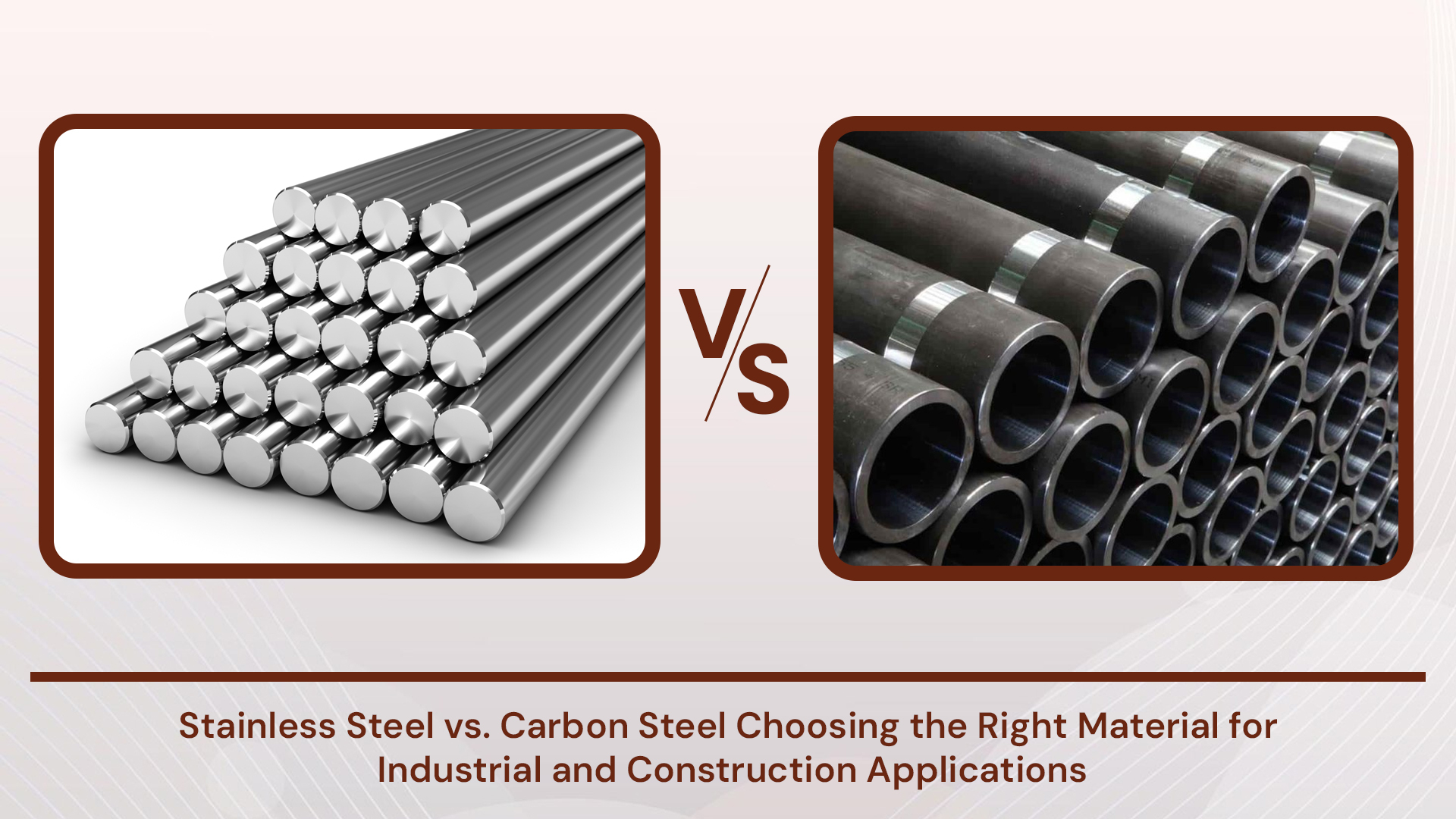
Stainless Steel vs. Carbon Steel: Choosi...
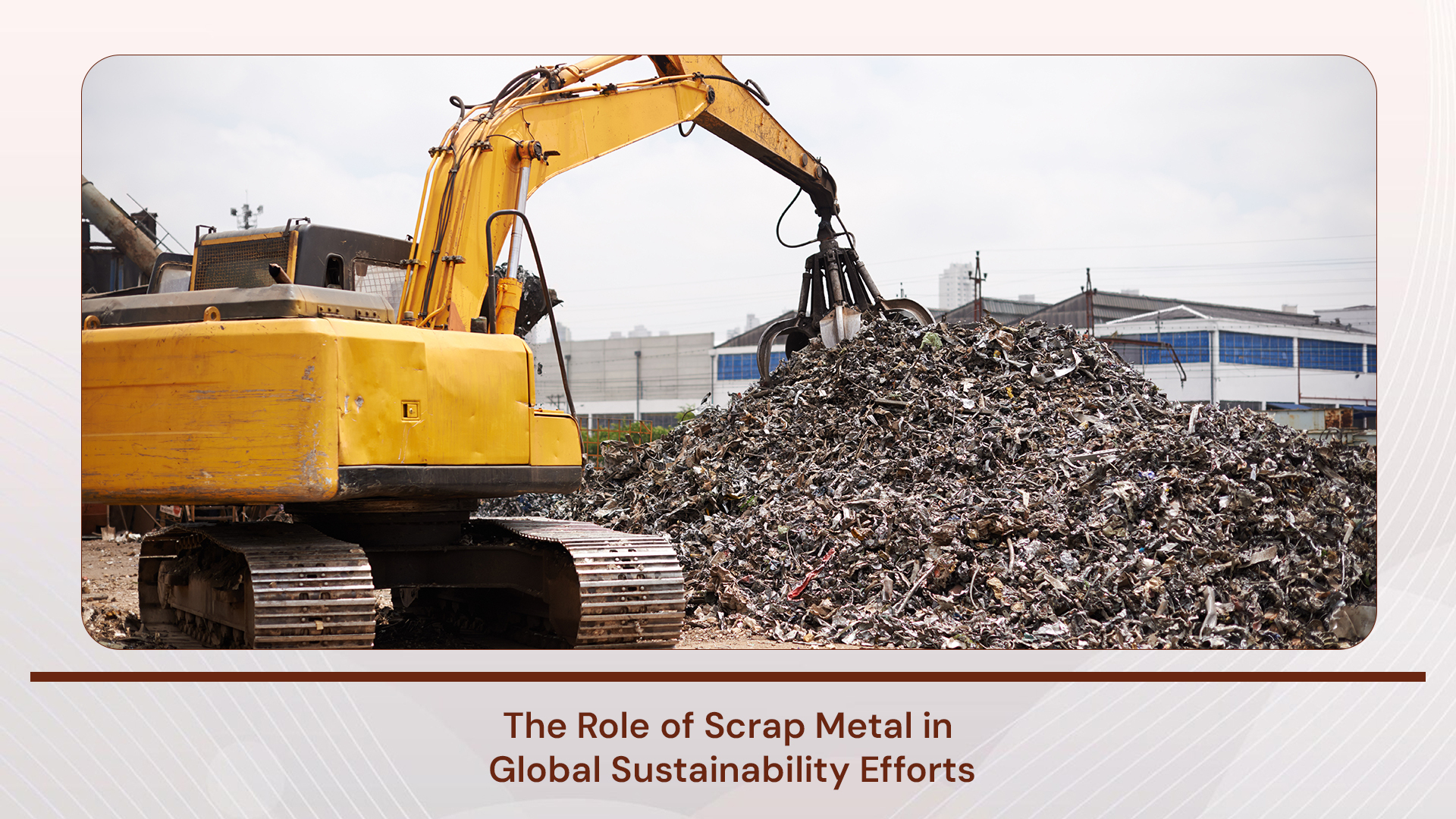
The Role of Scrap Metal in Global Sustai...
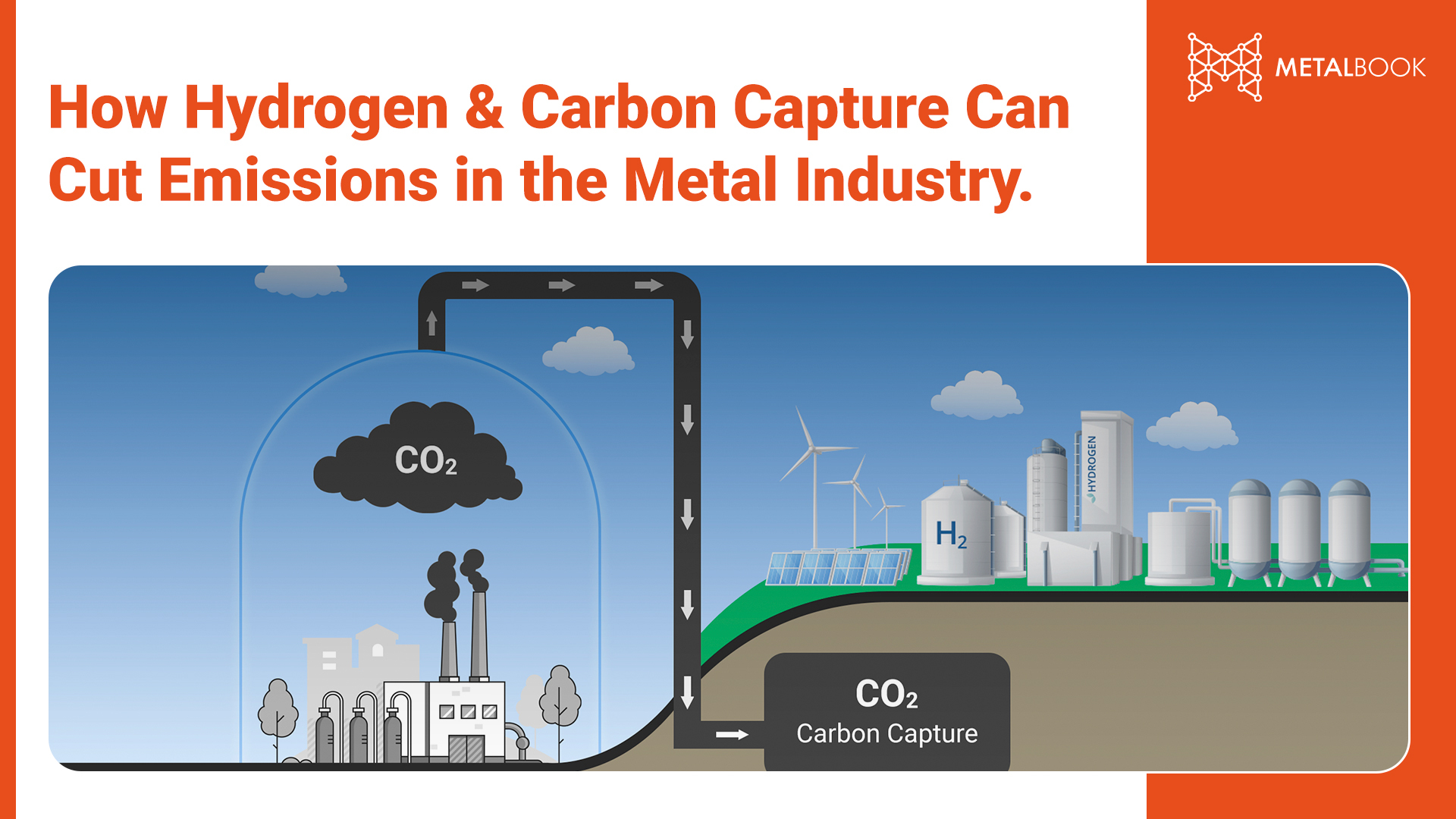
How Hydrogen & Carbon Capture Can Cut Em...
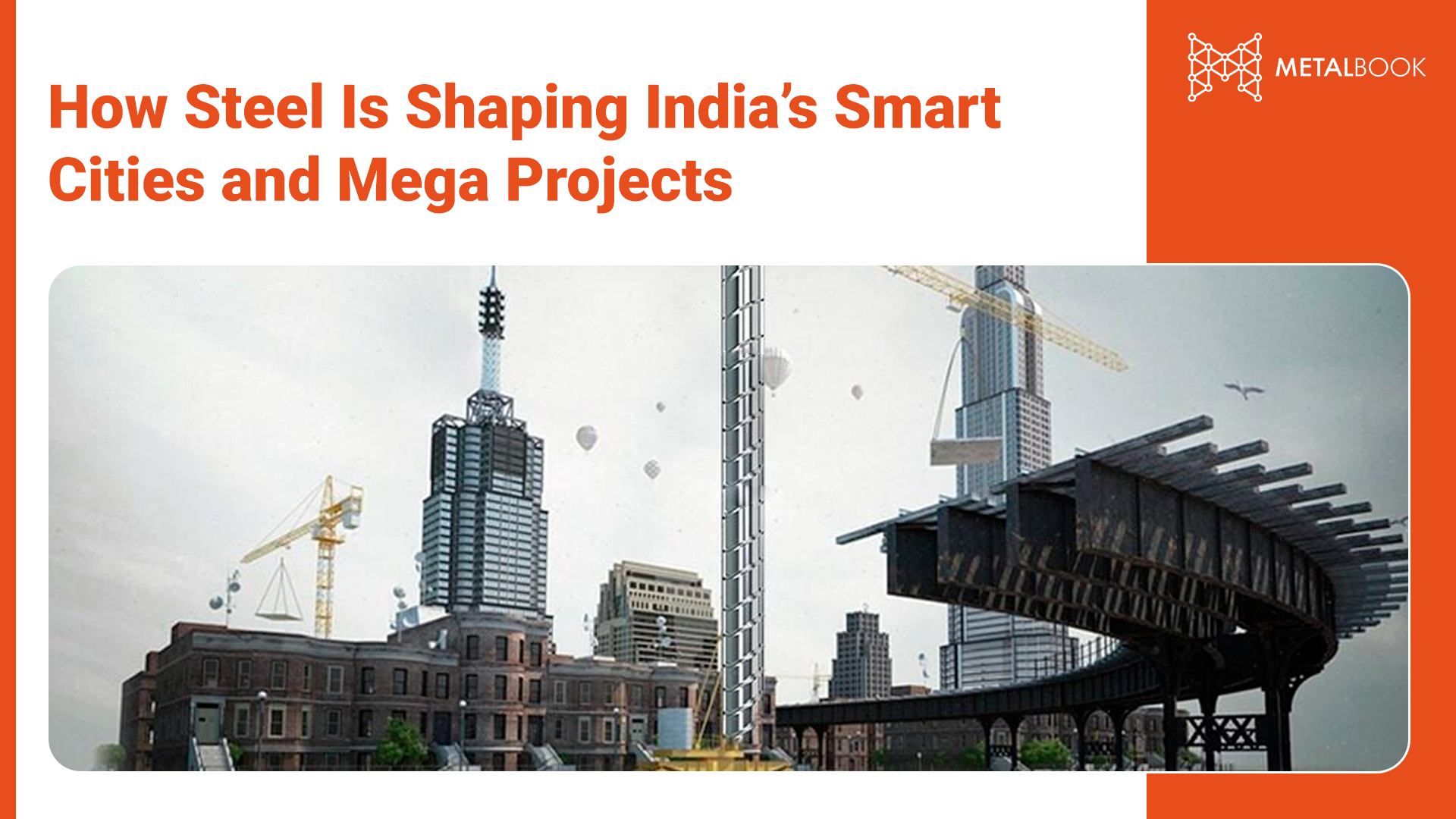
How Steel Is Shaping India’s Smart Citie...
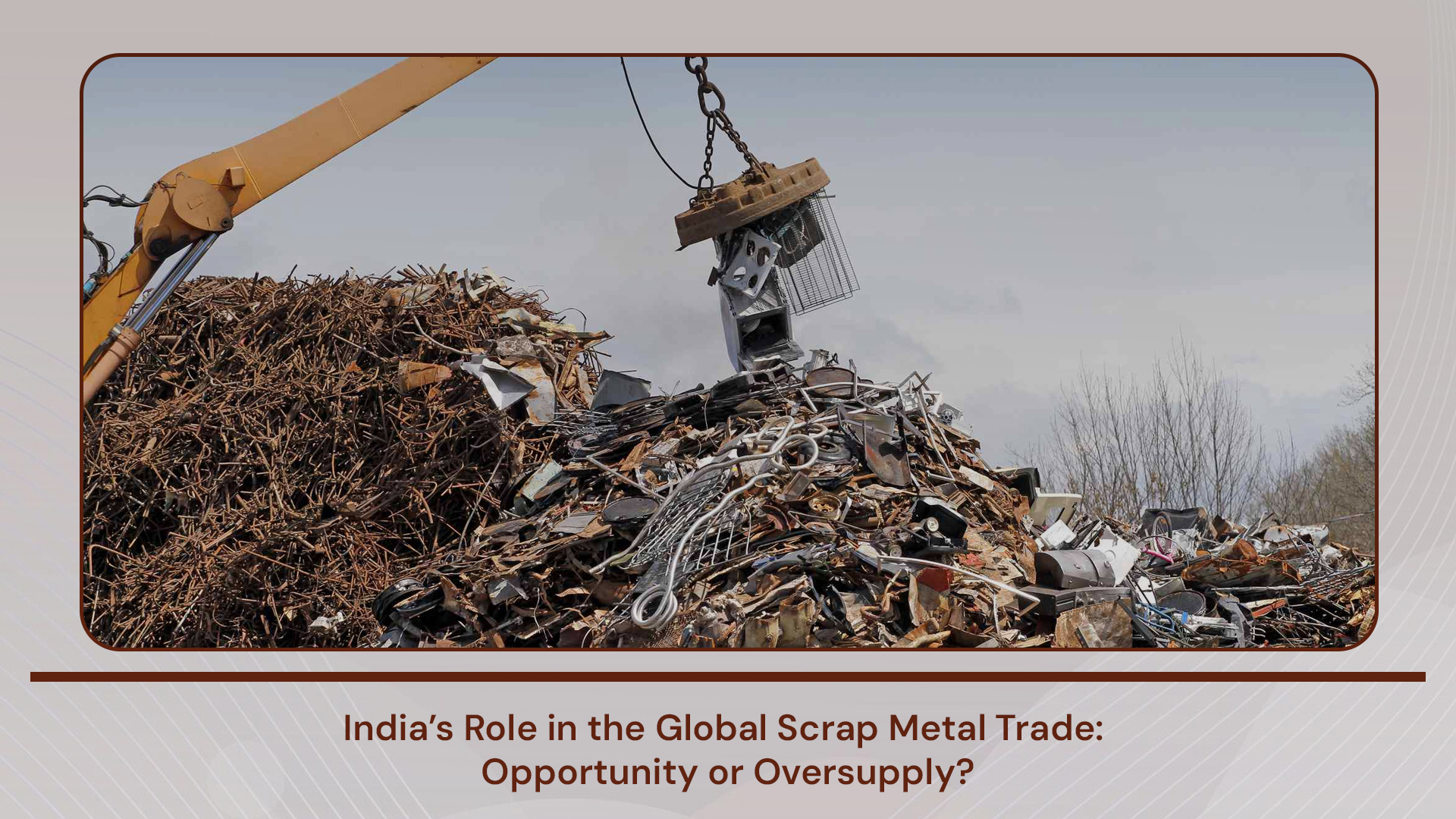
India’s Role in the Global Scrap Metal M...
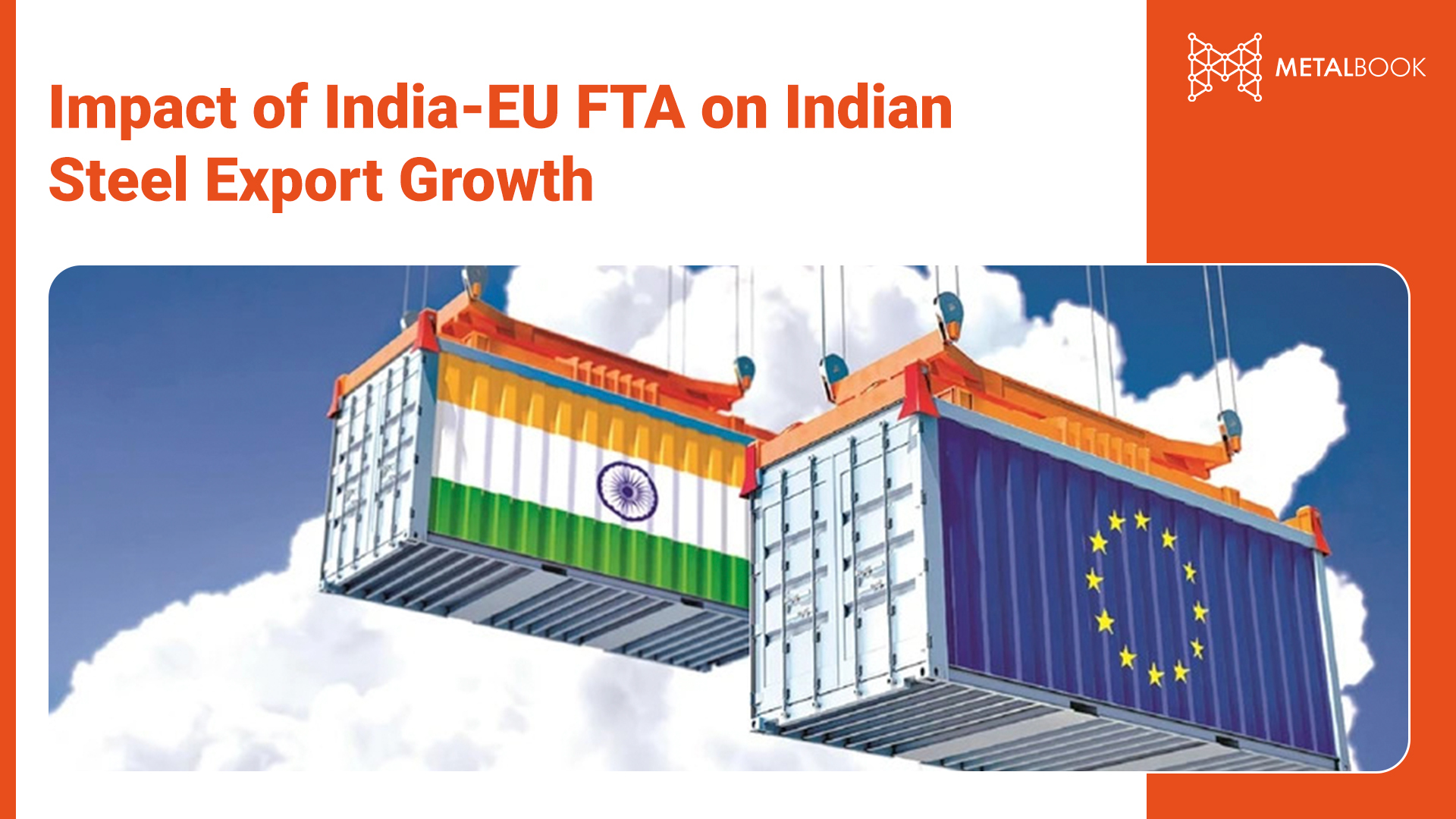
Impact of India-EU FTA on Indian Steel E...
Solar & Steel: The Twin Pillars of a Sus...
AIIFA Pushes GST Reform and Green Steel ...
CBAM and the Future of India’s Steel Exp...
Indian Steelmakers Seek Safeguard Duties...
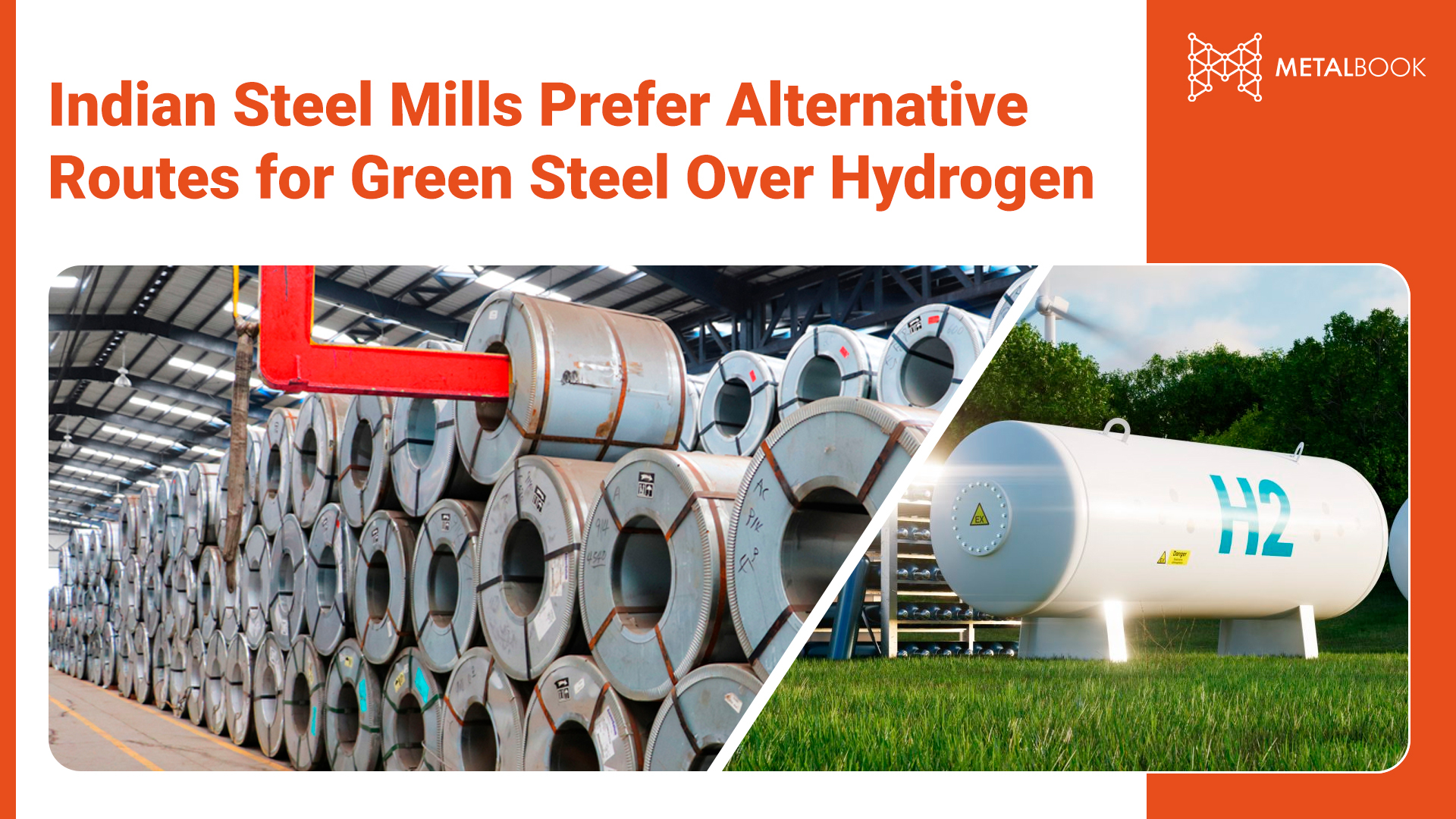
Indian Steel Mills Prefer Alternative Ro...
India Lifts Import Restrictions on Low-A...
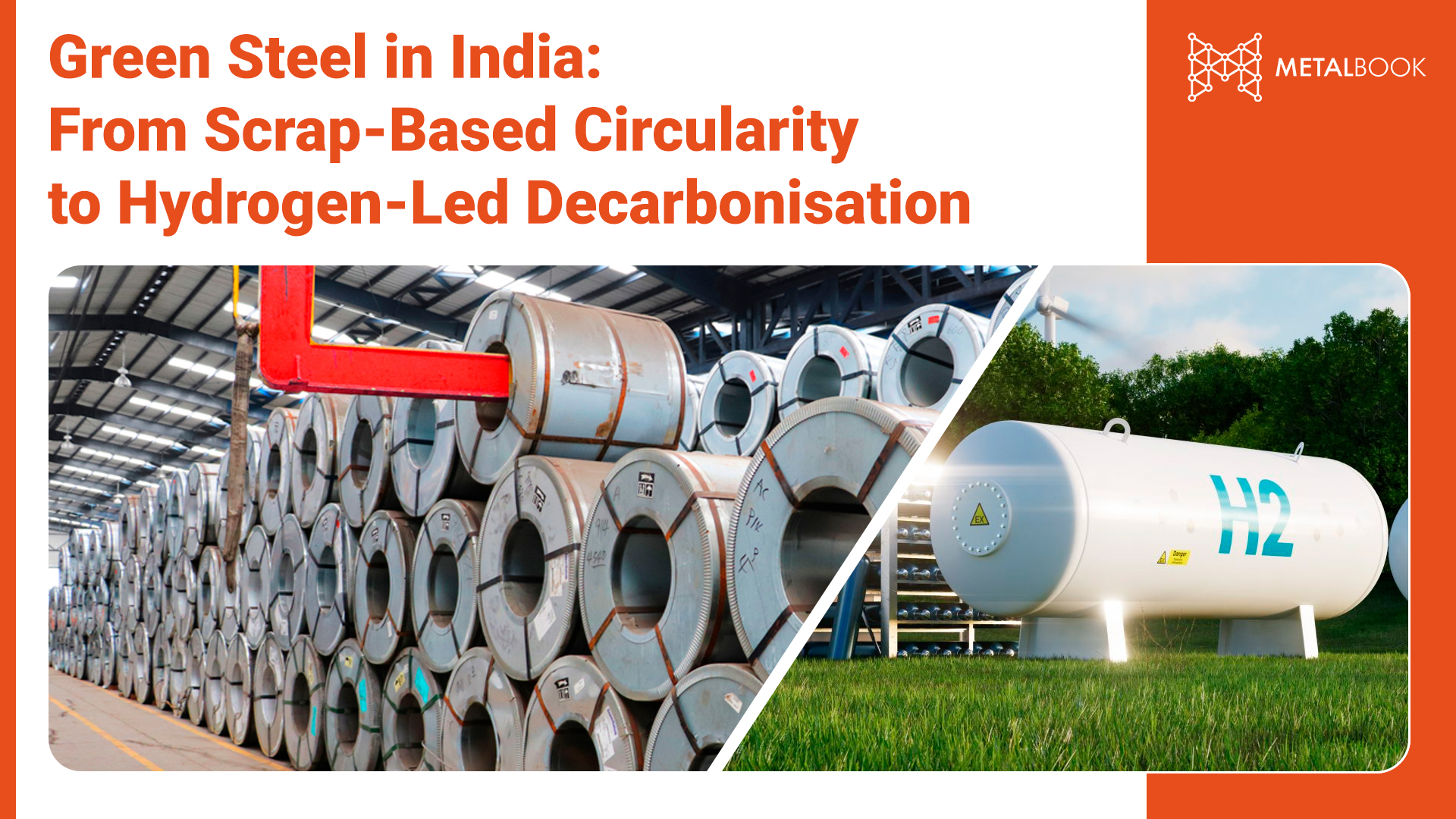
Green Steel in India: From Scrap-Based C...