Key Features:
- Thickness Reductions: Metal thickness will be uniformly decreased by compressing it between the two rotating rollers.
- Hot and Cold Rolling: Depending on product requirements, rolling may either be performed at elevated temperatures (hot rolling) or at room temperature (cold rolling).
- Surface Enhancement: The process improves surface finish, grain structure, and mechanical strength.
The essence of Rolling is to manufacture metal products with defined dimensions, good strength, and smooth surfaces. Examples of industries that use rolling processes include construction, automotive, and manufacturing. The combination of recent advances in rolling gauges and automated processes has prompted higher productivity and quality well into metalworking.
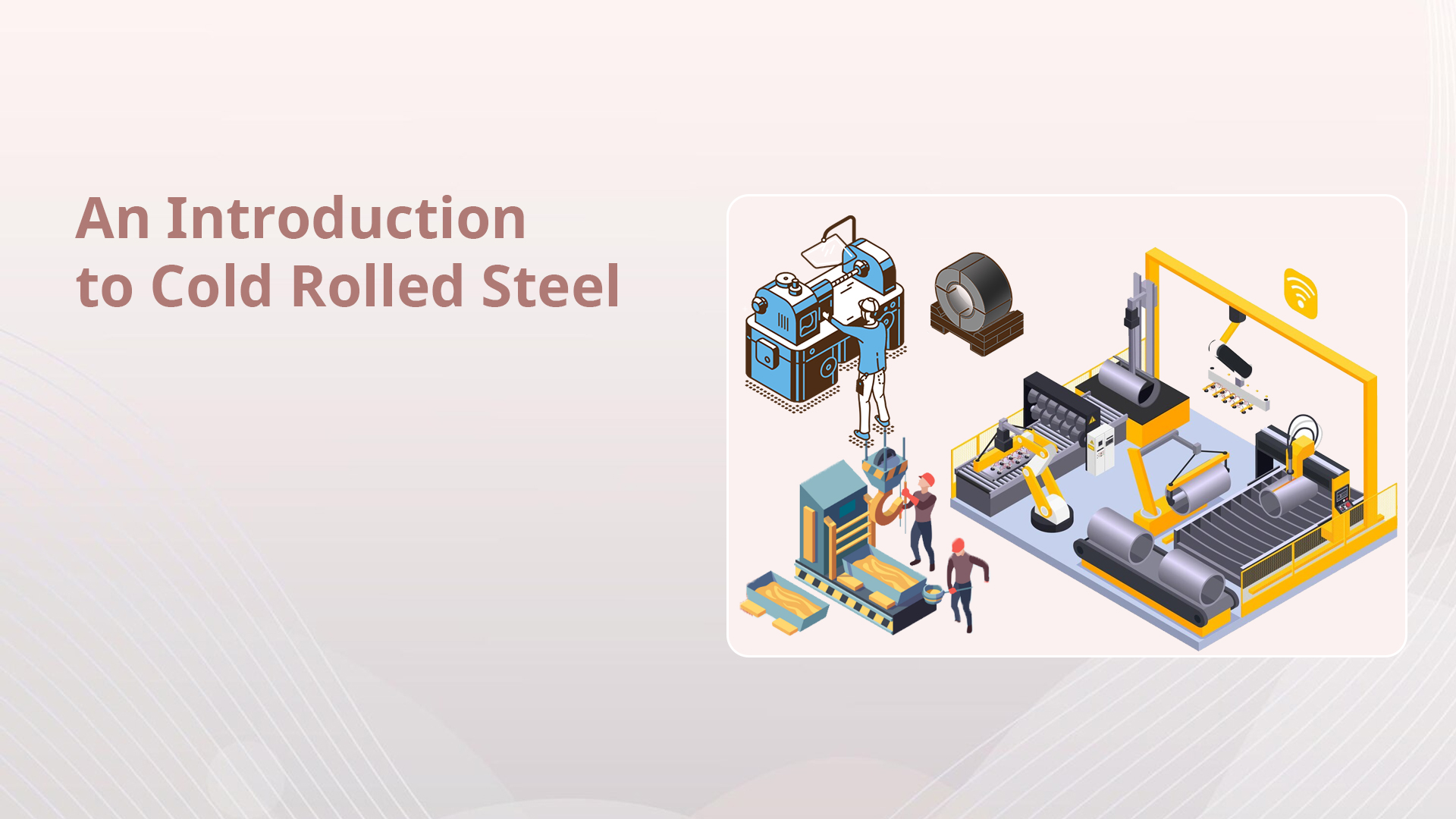
An Introduction to Cold Rolled Steel
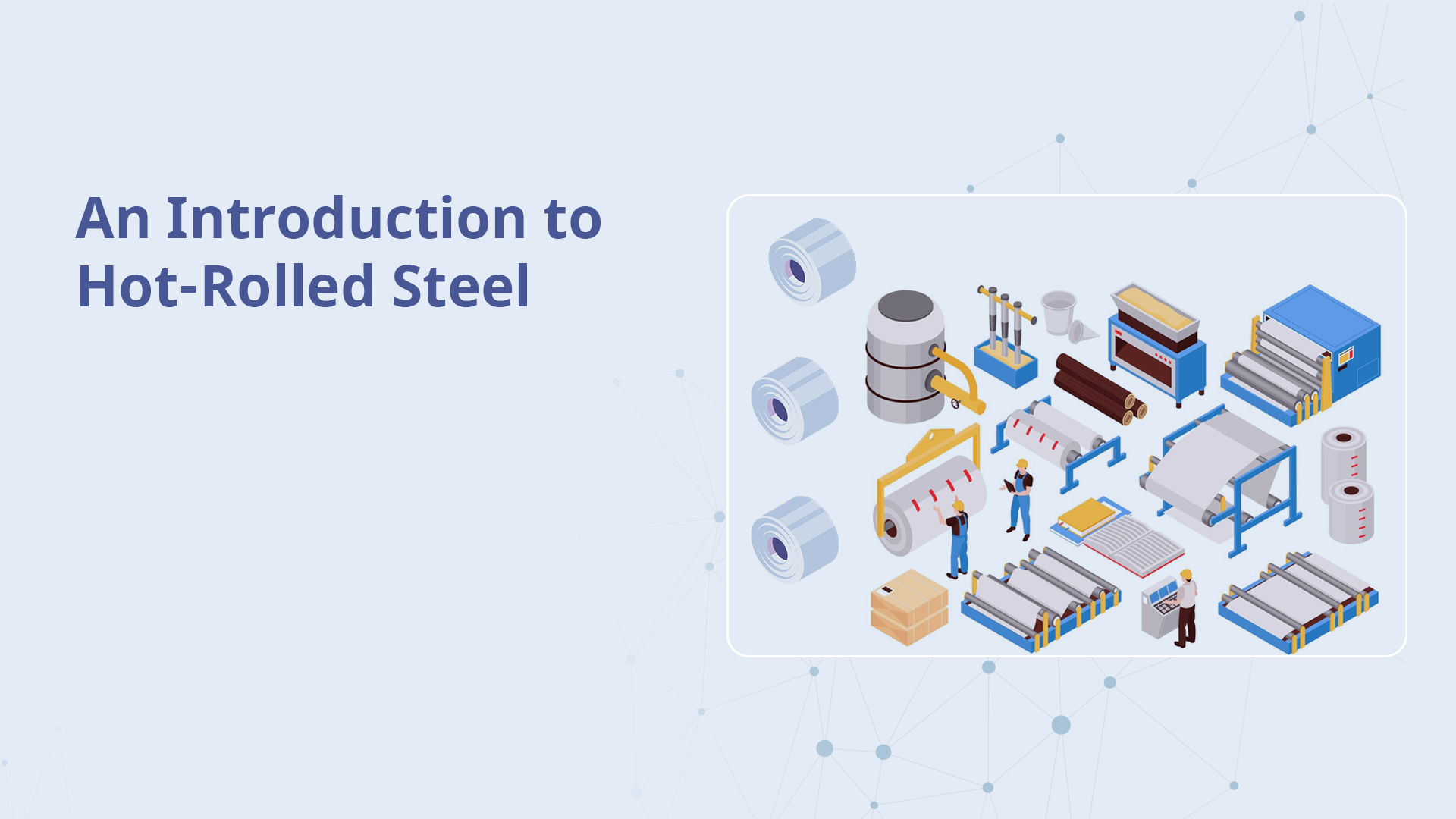
An Introduction to Hot-Rolled Steel
Stainless Steel Angles: Unveiling the St...
Annealing Explained: Definition, Process...
MS Sheets and Plates: Essential Guide to...
Aluminum Wire Rods: The Backbone of Indu...
Hot-rolled steel coil: Definition, Uses,...
Everything You Need to Know About Stainl...
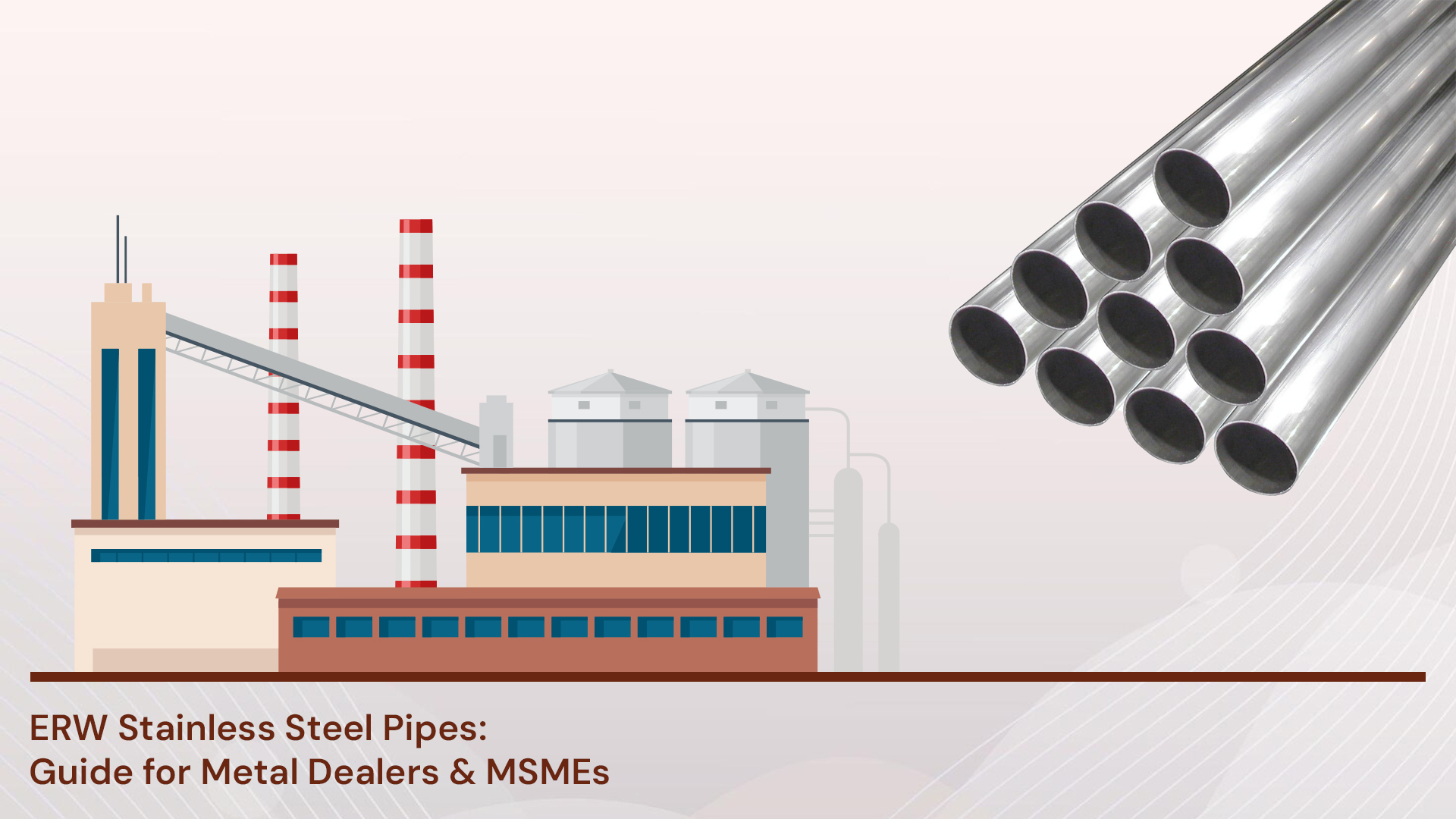
ERW Stainless Steel Pipes: Guide for Met...
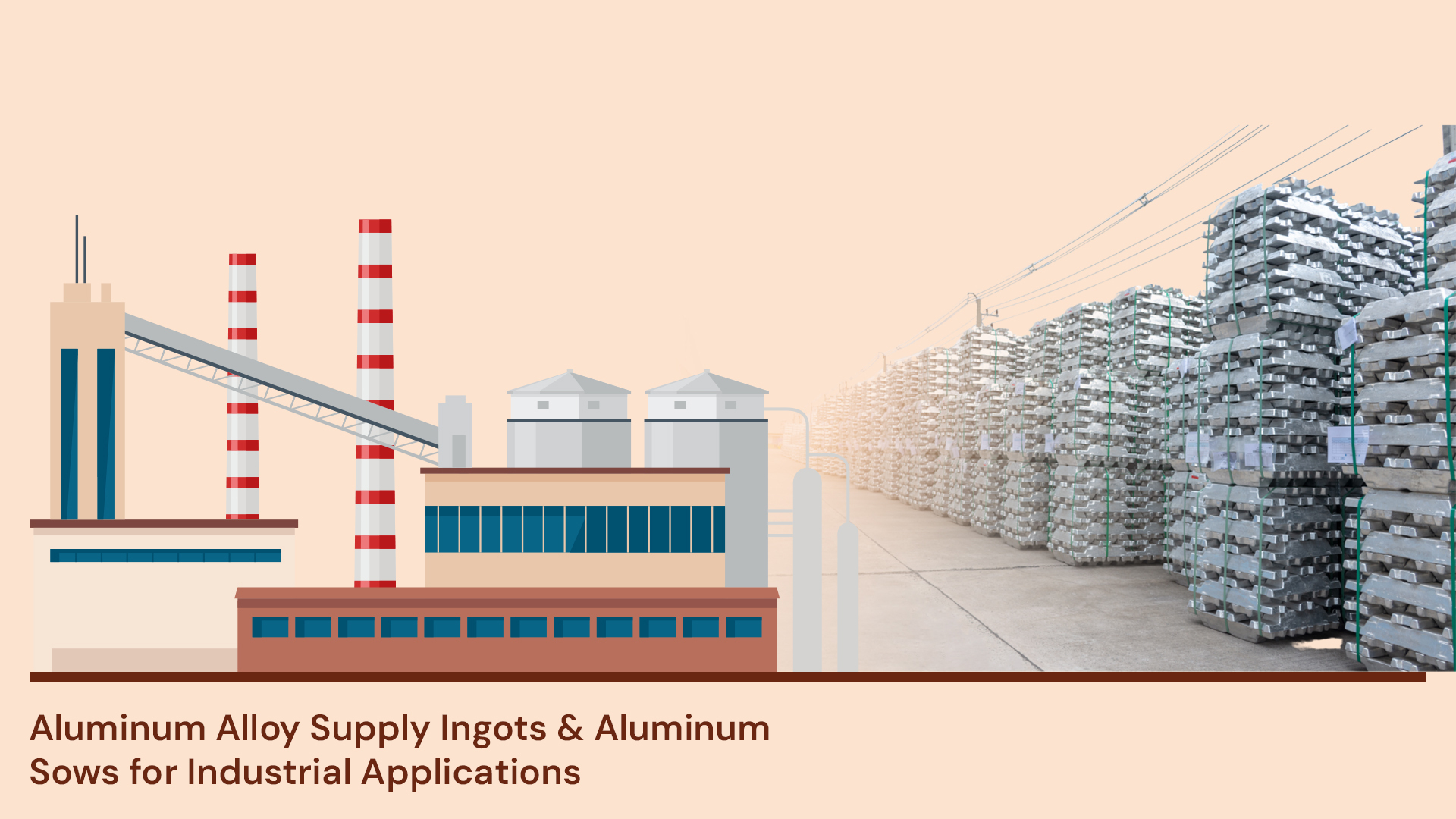
Aluminum Alloy Supply: Ingots & Aluminum...
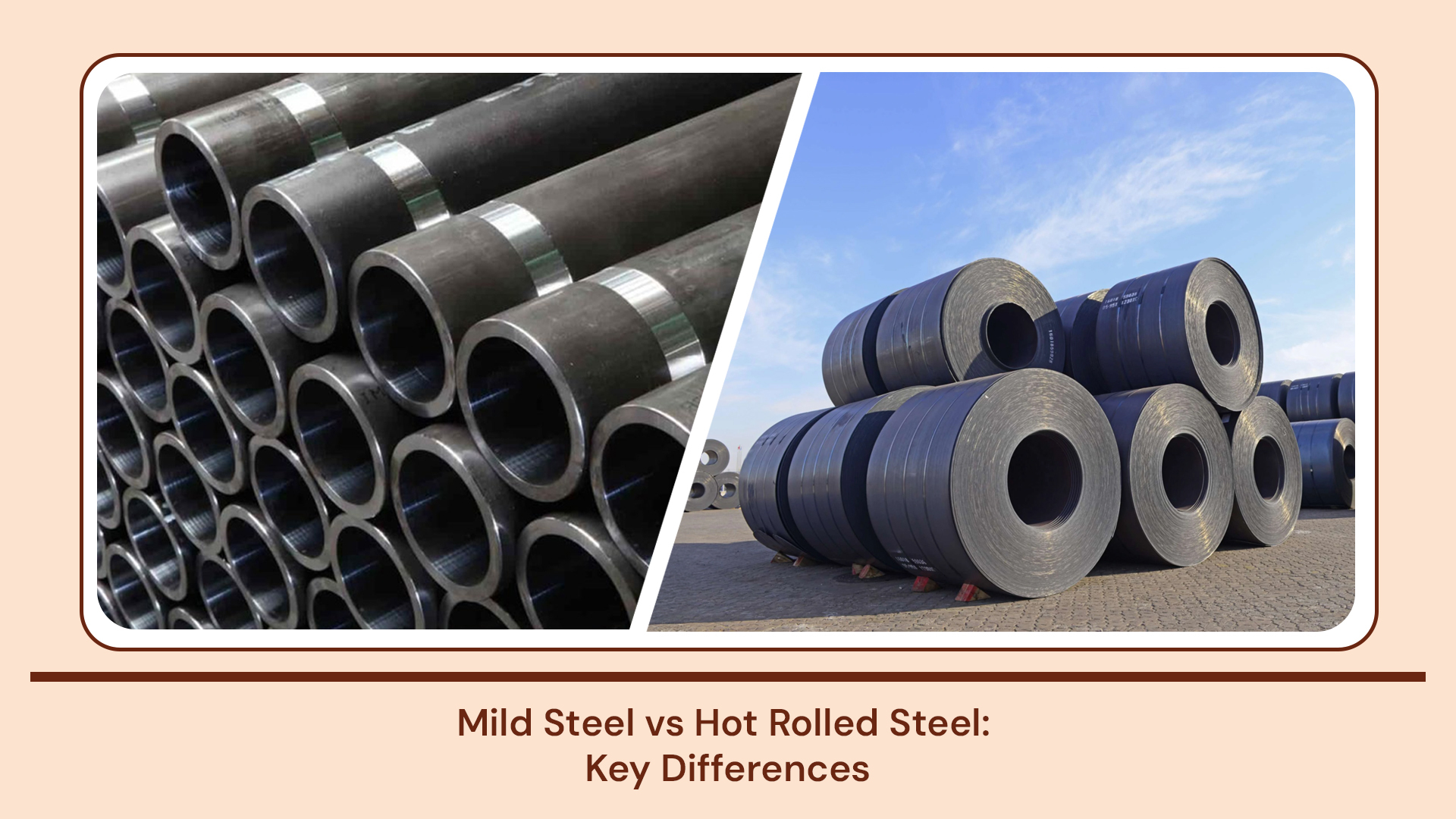
Mild Steel vs Hot Rolled Steel: Key Diff...
Can AI Really Predict Machine Breakdowns...

IREPS vs. GeM: Where Should Rail Suppli...

HSLA Grades Strengthens India’s Infrastr...

The Rise of Green Tenders in India: How ...
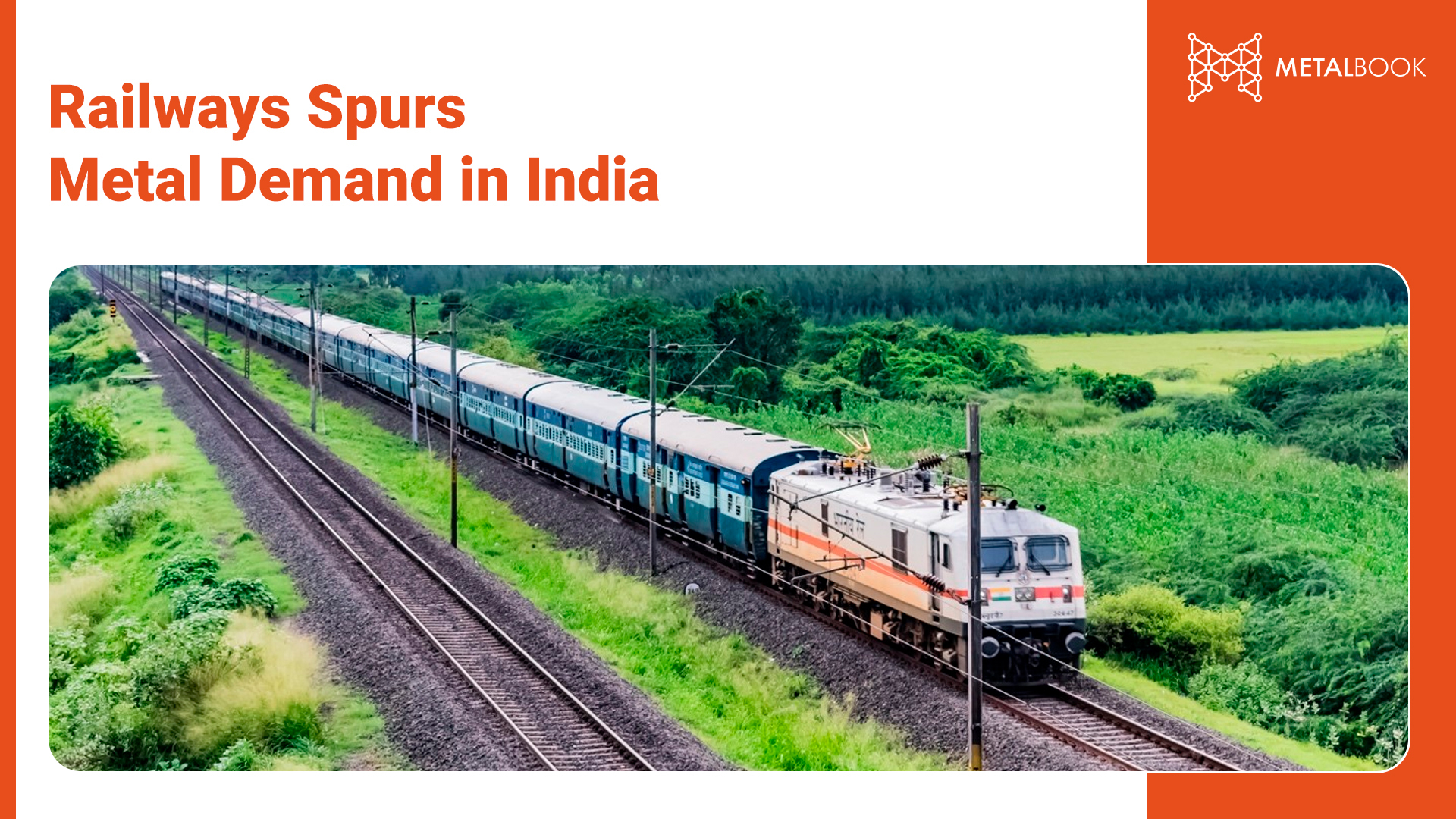
Railways Spurs Metal Demand in India
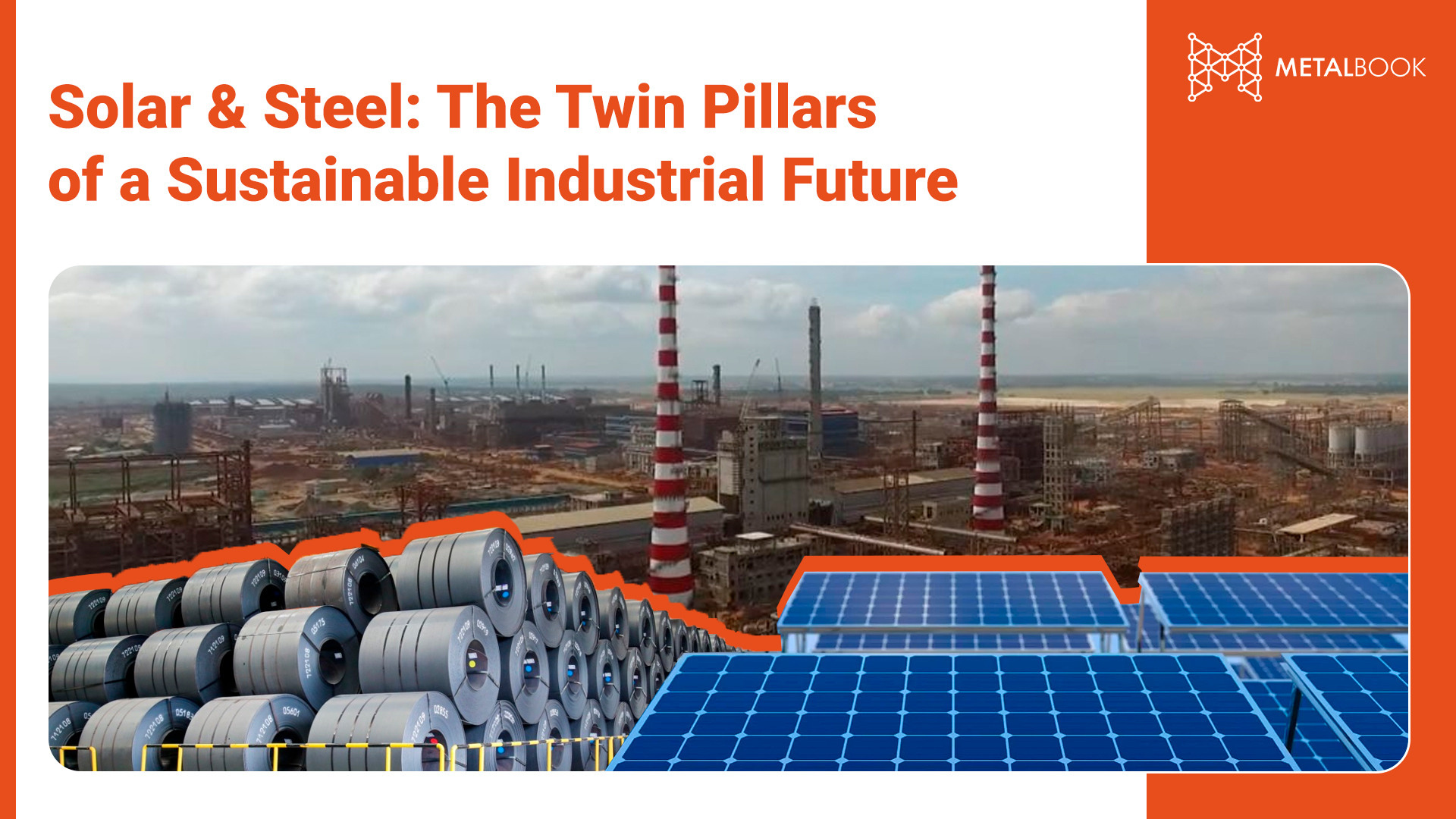
Solar & Steel: The Twin Pillars of a Sus...
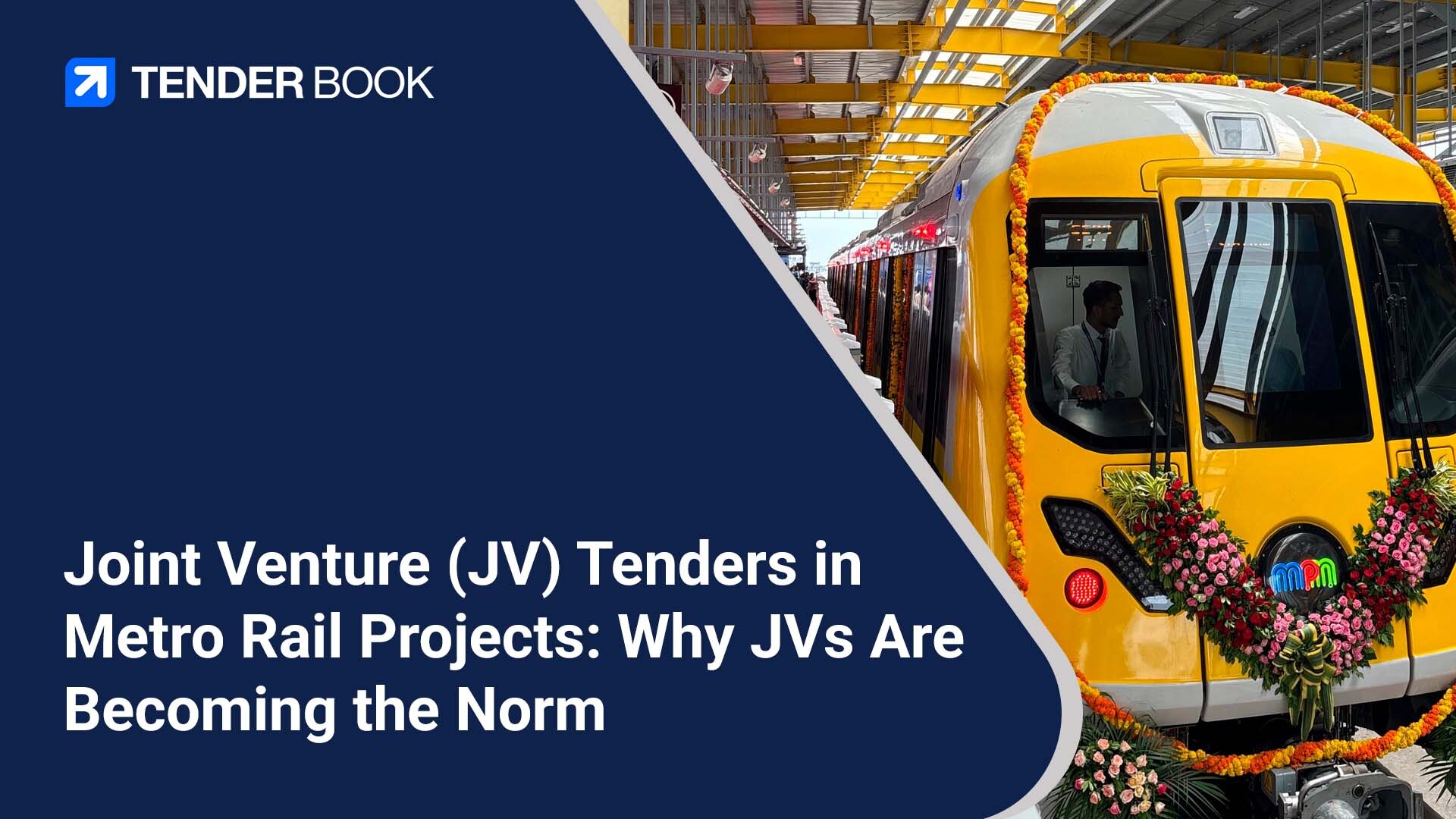
Joint Venture (JV) Tenders in Metro Rail...

Sustainable Public Procurement 2026: How...