Key Features:
- Inspection methods: Visual, dimensional and non-destructive methods used to look into defects.
- Compliance verification: Check of the product against the industry's standards and requirements of customers.
- Process Monitoring: Continuous evaluation of production processes to detect and correct errors as early as possible.
That is what Quality Control does just - to provide good quality products of good and consistent metals for different purposes. Examples of such industries include aerospace, vehicle, and building industries. There has been continuous improvement in the technique of control so that product reliability is gained and manufacturing defects are reduced considerably.
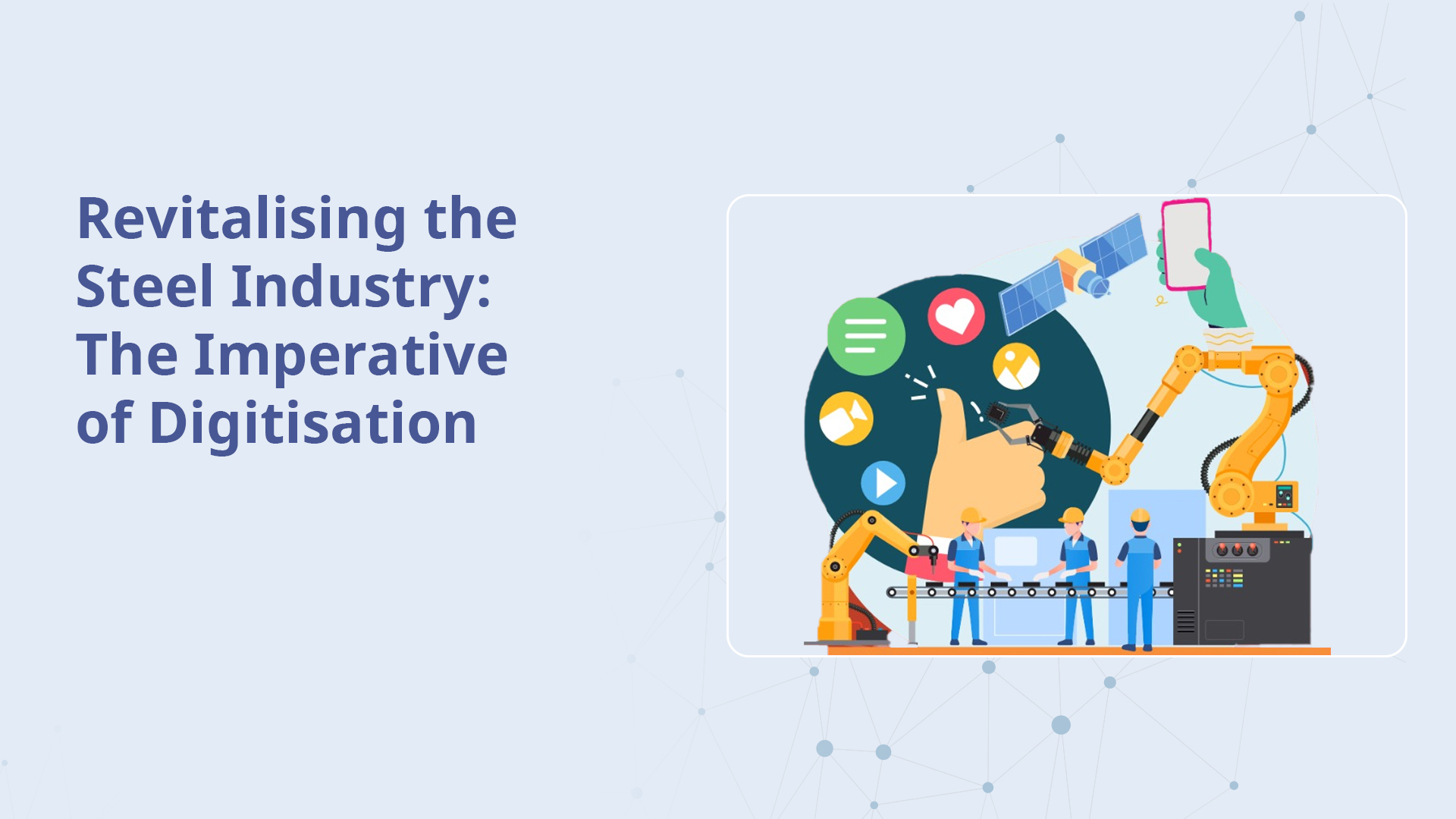
Revitalising the Steel Industry: The Imp...

Revolutionizing Supply Chains: Metalboo...

Renewable Energy Built on Steel: Solar P...
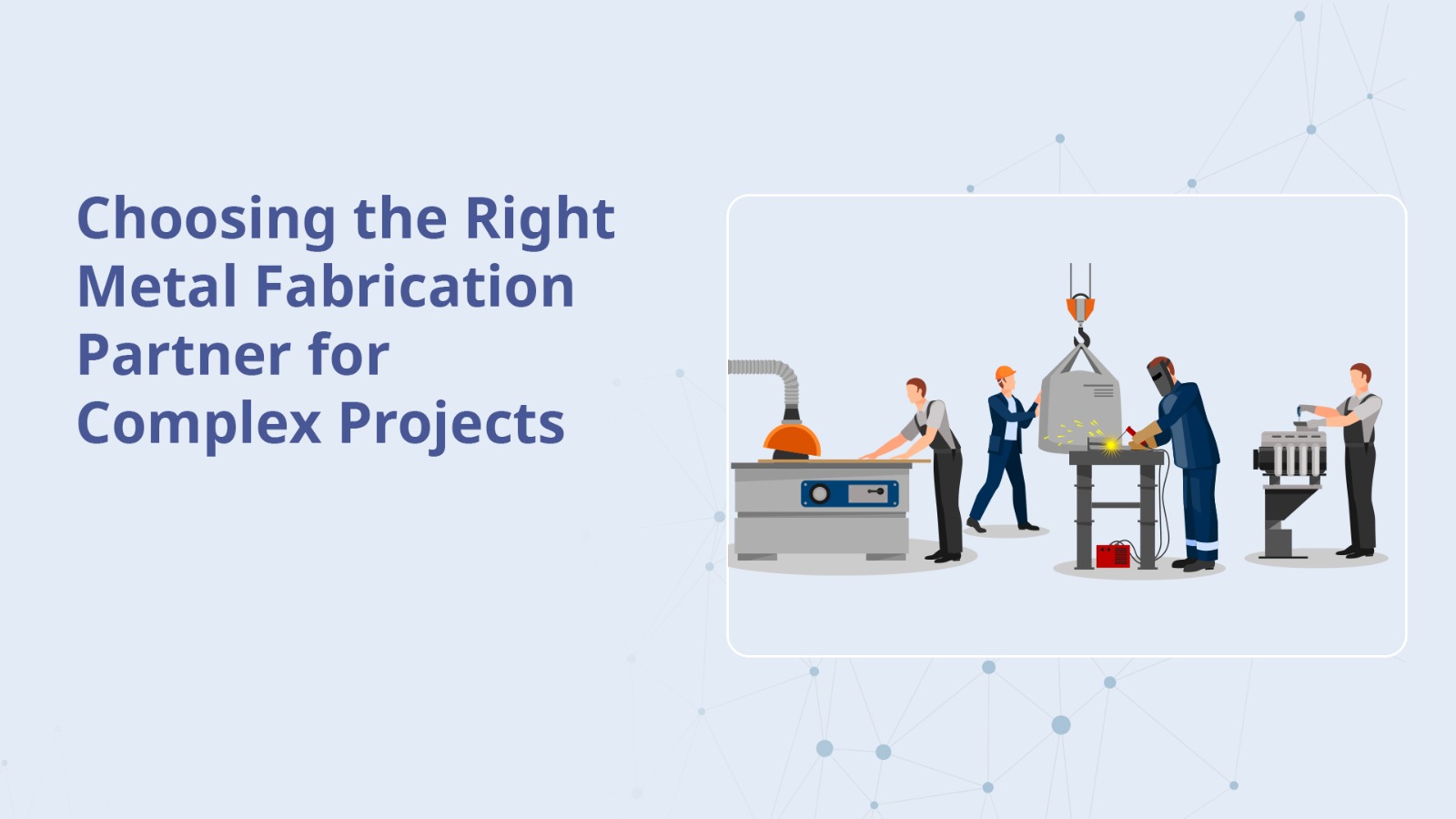
Choosing the Right Metal Fabrication Par...
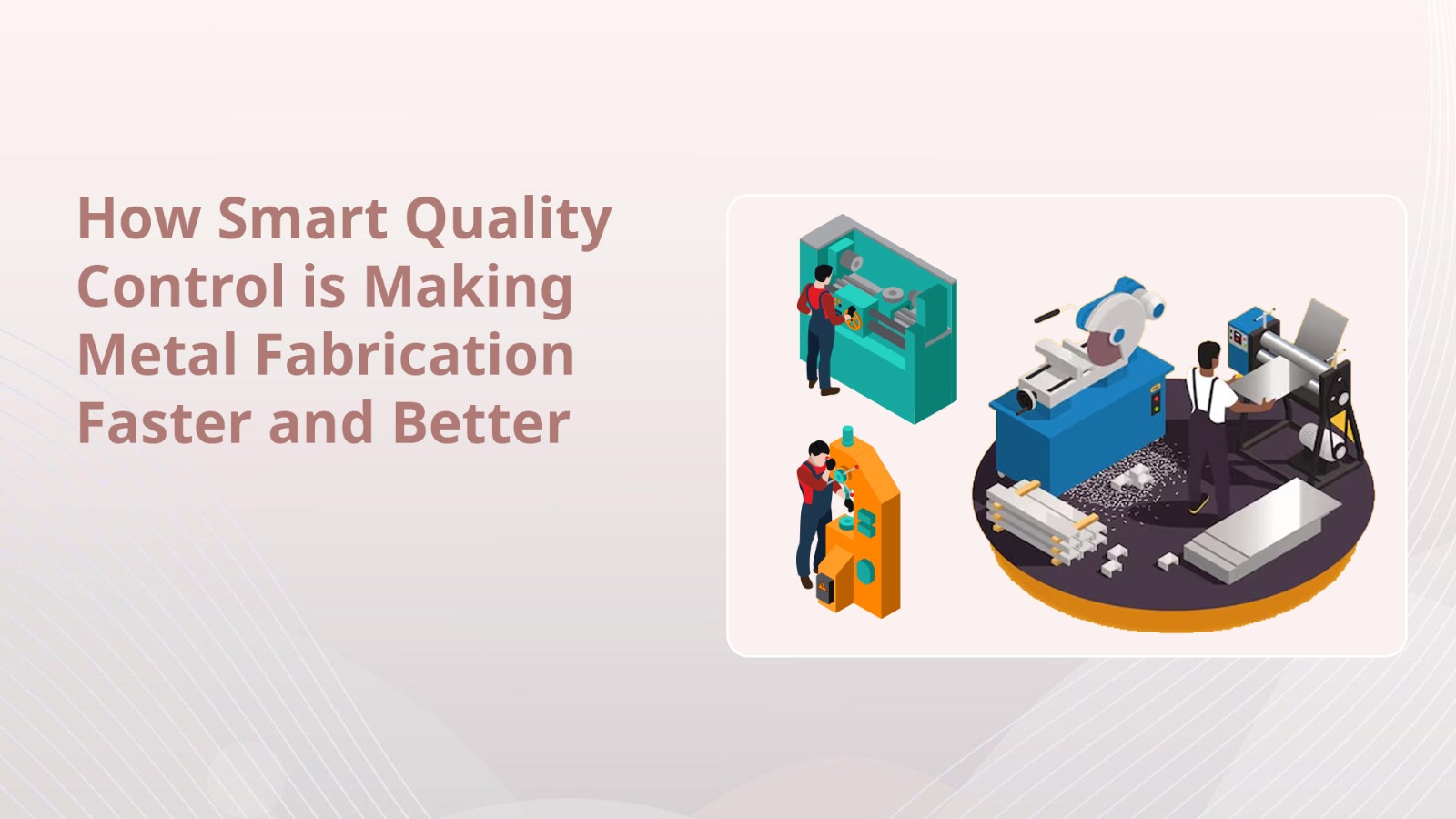
How Smart Quality Control is Making Meta...

Decoding Tender Documents: Key Component...
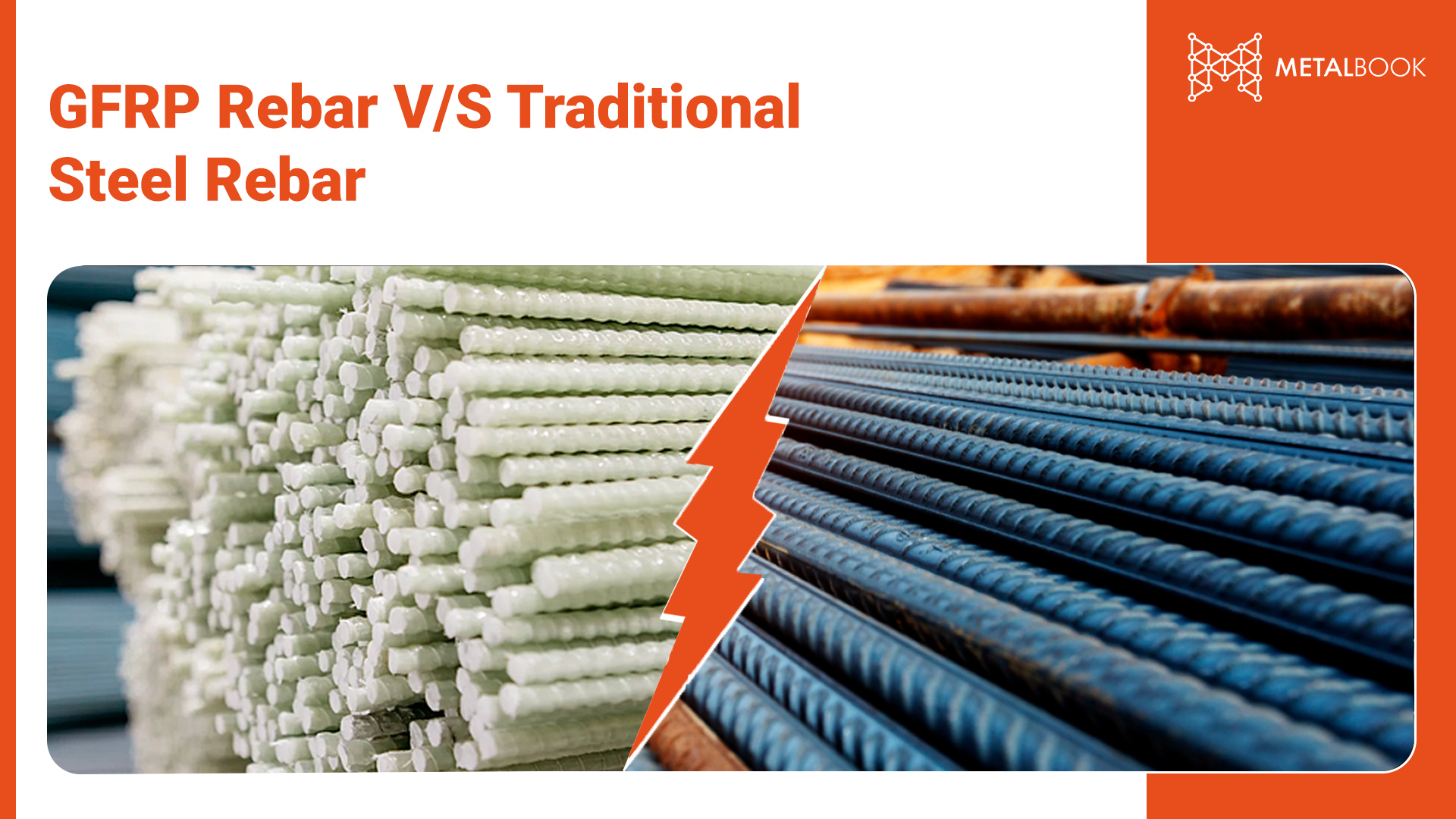
GFRP Rebar V/S Traditional Steel Rebar
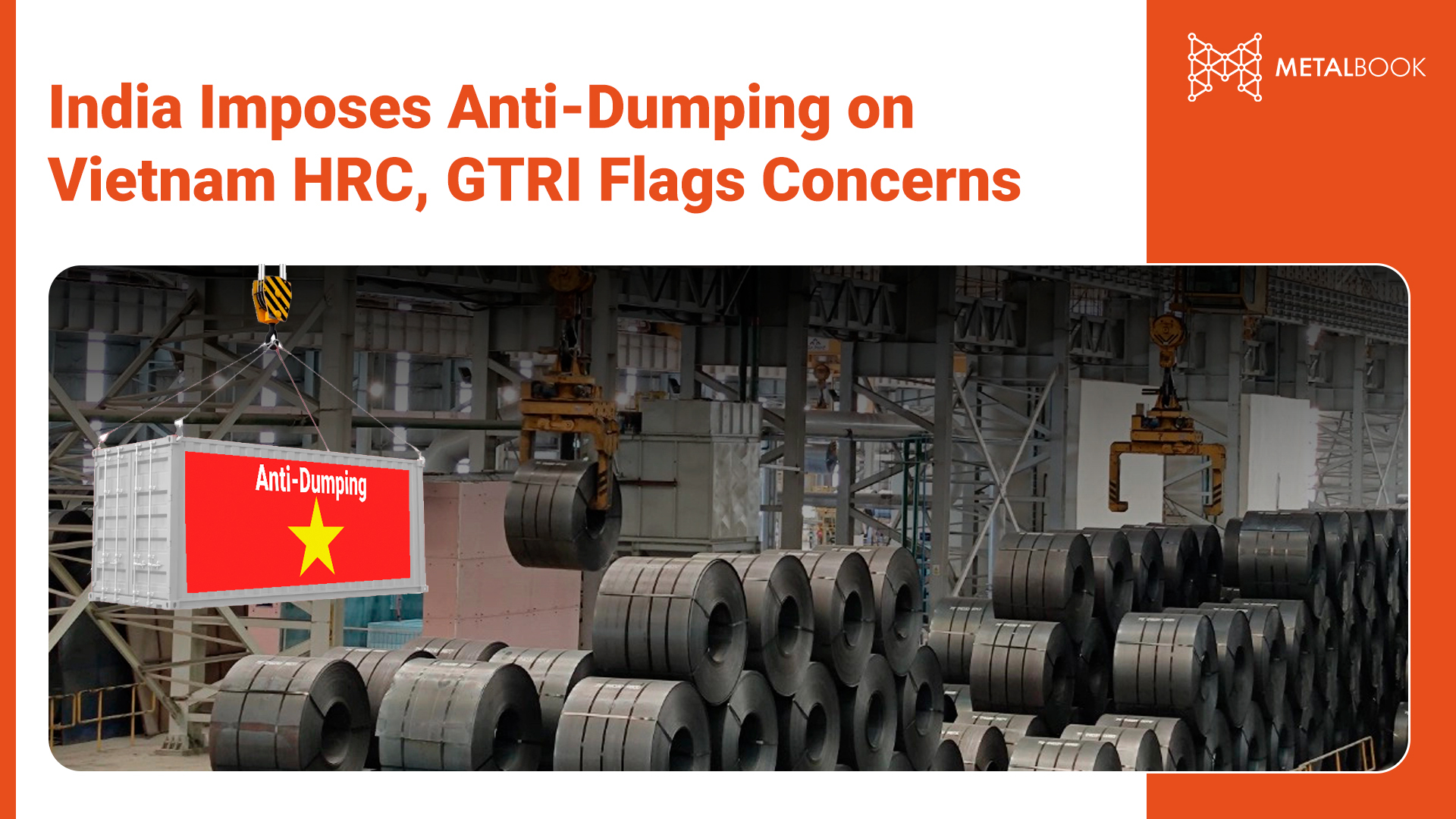
India imposes Anti-Dumping on Vietnam HR...

Tips to Bid Smart and Win NHAI Tenders
The New GeM Quality Assurance Framework ...
GeM's New Vendor Rating 3.0 System: How ...

GeM for Export-Linked Government Project...