Key Features:
- Ability to undergo deformation under compressive forces: Unlike brittle materials, malleable metals can be hammered, rolled, or pressed without cracking.
- Effect of Temperature: Generally, higher temperatures will give enhanced malleability.
- Wide Application: From industry applications such as sheet metal fabrication (aluminum, copper sheets) and coin making (gold, silver) to every other industrial application requiring ductile formation (fabrication of steel plates or car body panels).
Malleability is important for metalworking and manufacturing. When making jewelry, malleability helps in the art of shaping gold and silver into intricate designs. Malleable metals such as copper and aluminum are also used in construction, with applications in roofing, wiring, and piping. The malleability of metals is being increased day by day through advances in alloy systems and processing technologies, therefore making them much more workable into modern engineering applications.
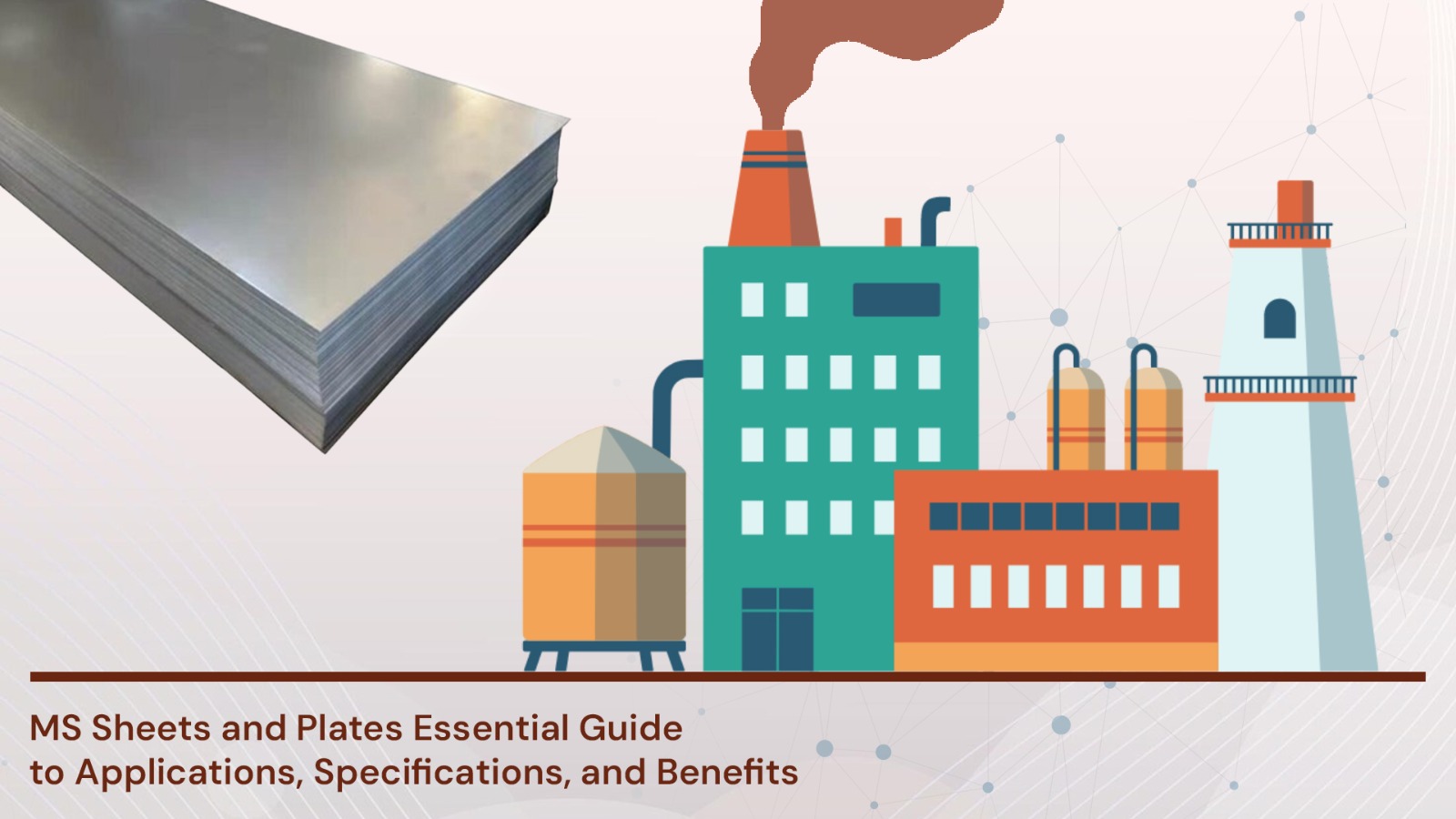
MS Sheets and Plates: Essential Guide to...
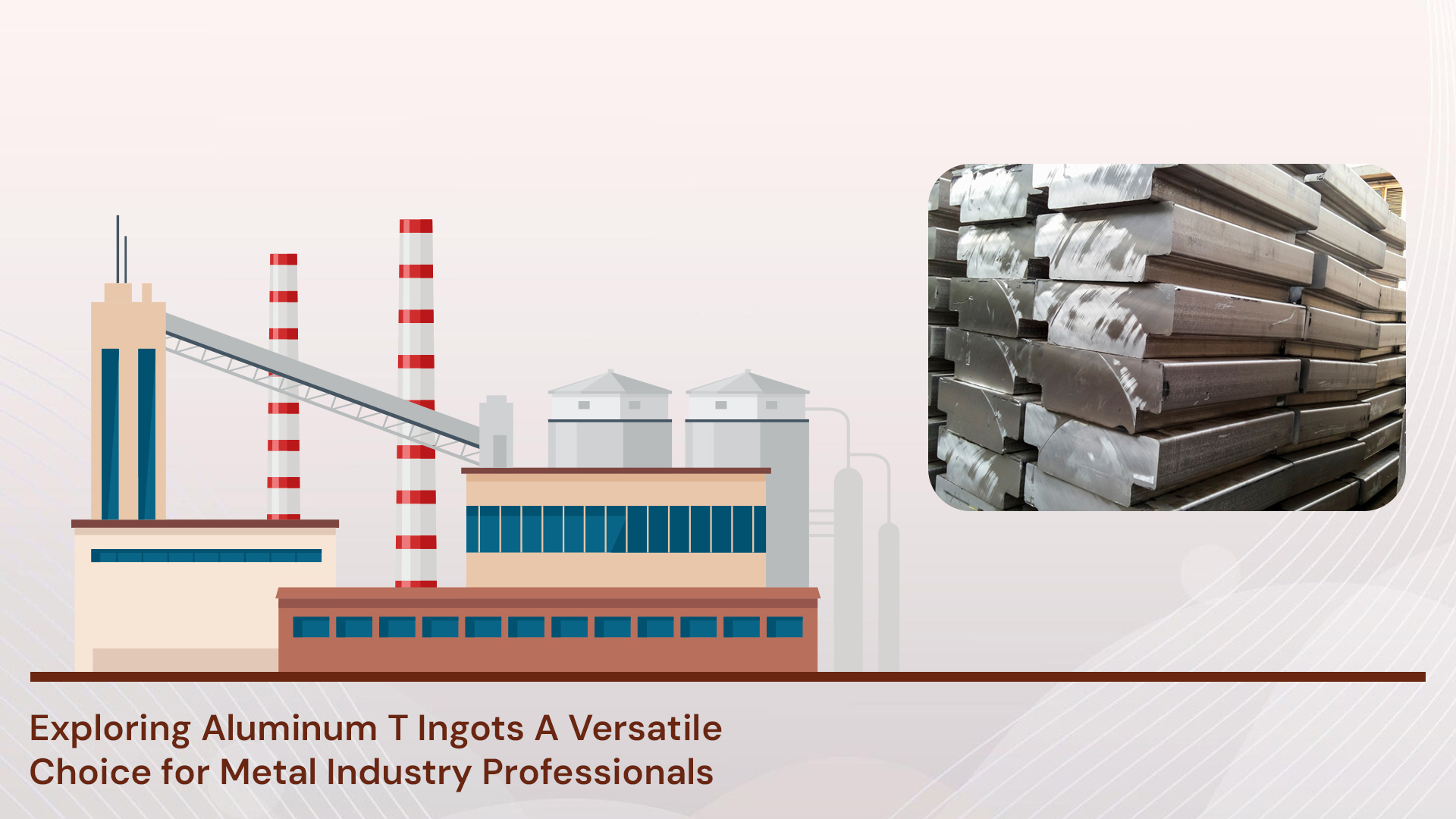
Exploring Aluminum T Ingots: A Versatile...
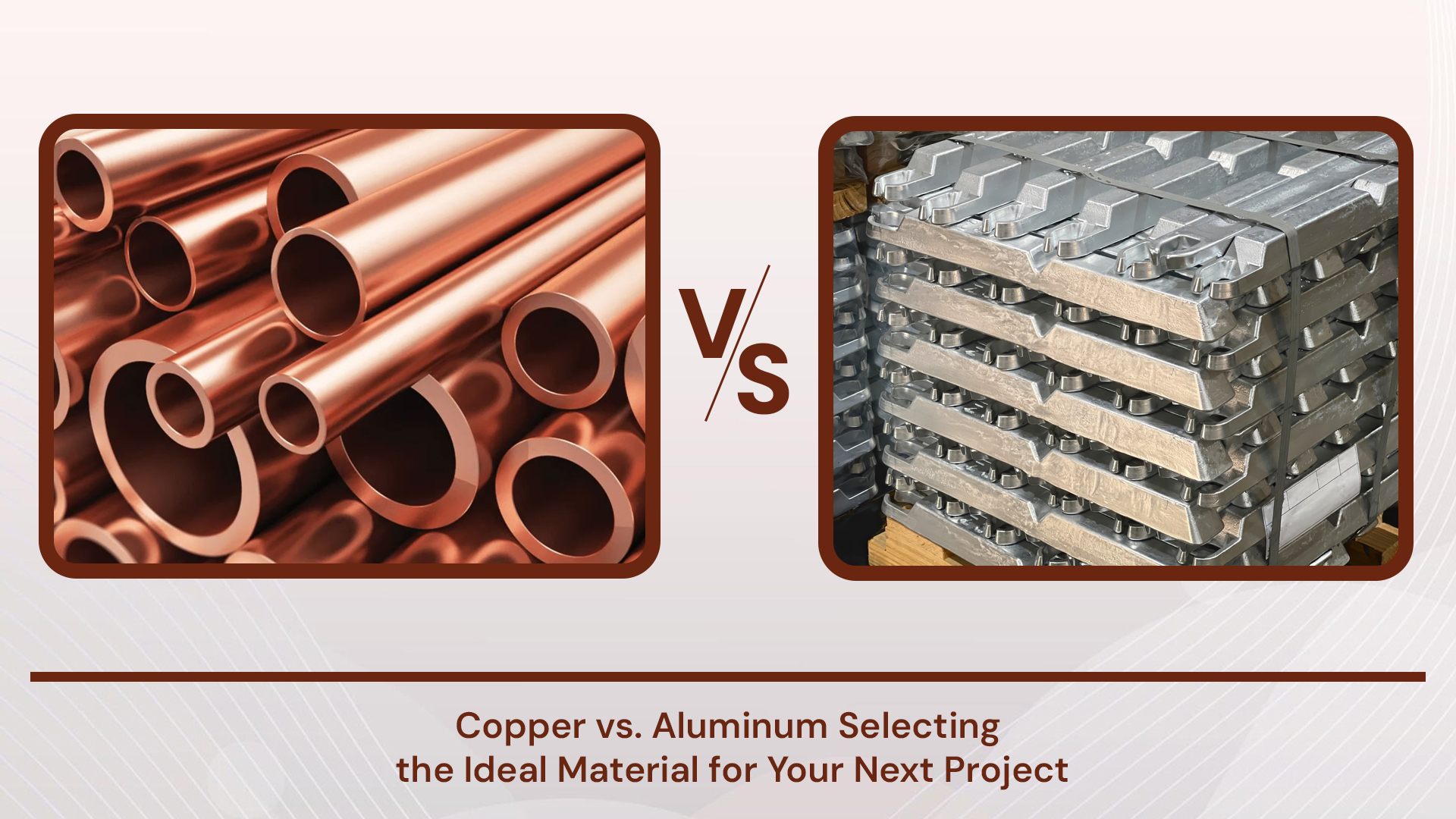
Copper vs. Aluminum: Selecting the Ideal...

The Ultimate Guide to Zinc Ingots: Appli...
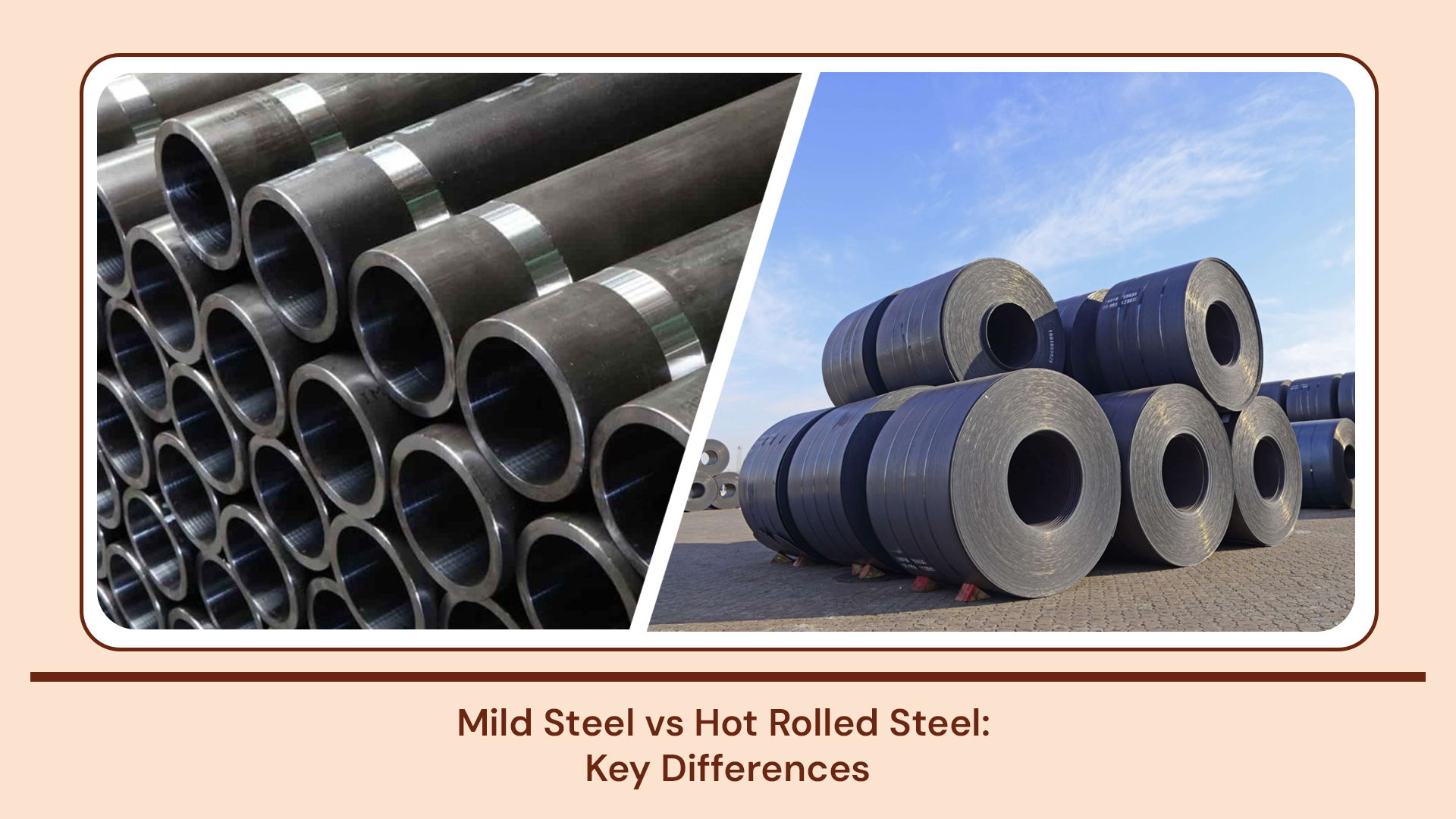
Mild Steel vs Hot Rolled Steel: Key Diff...
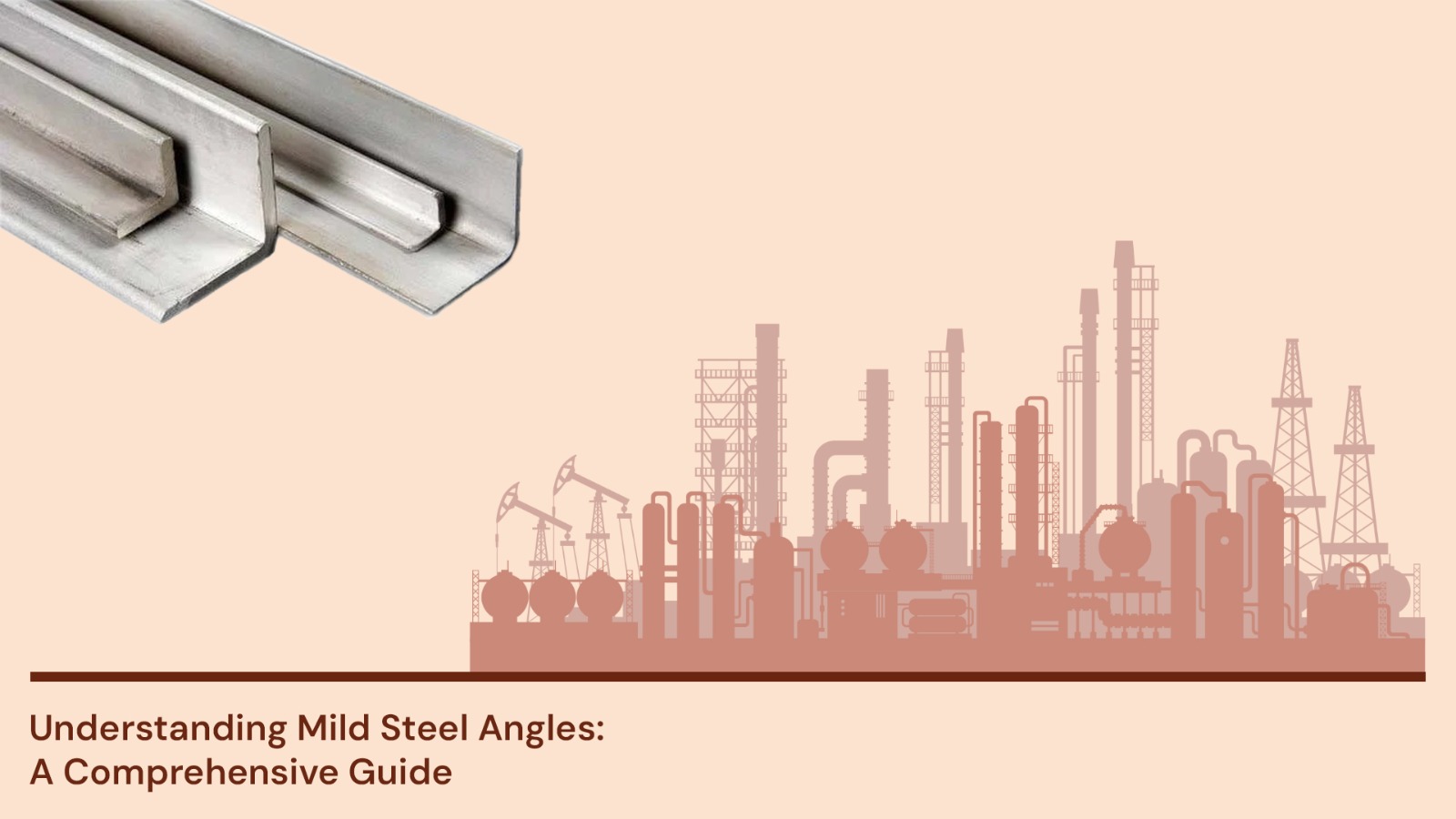
Understanding Mild Steel Angles: A Compr...
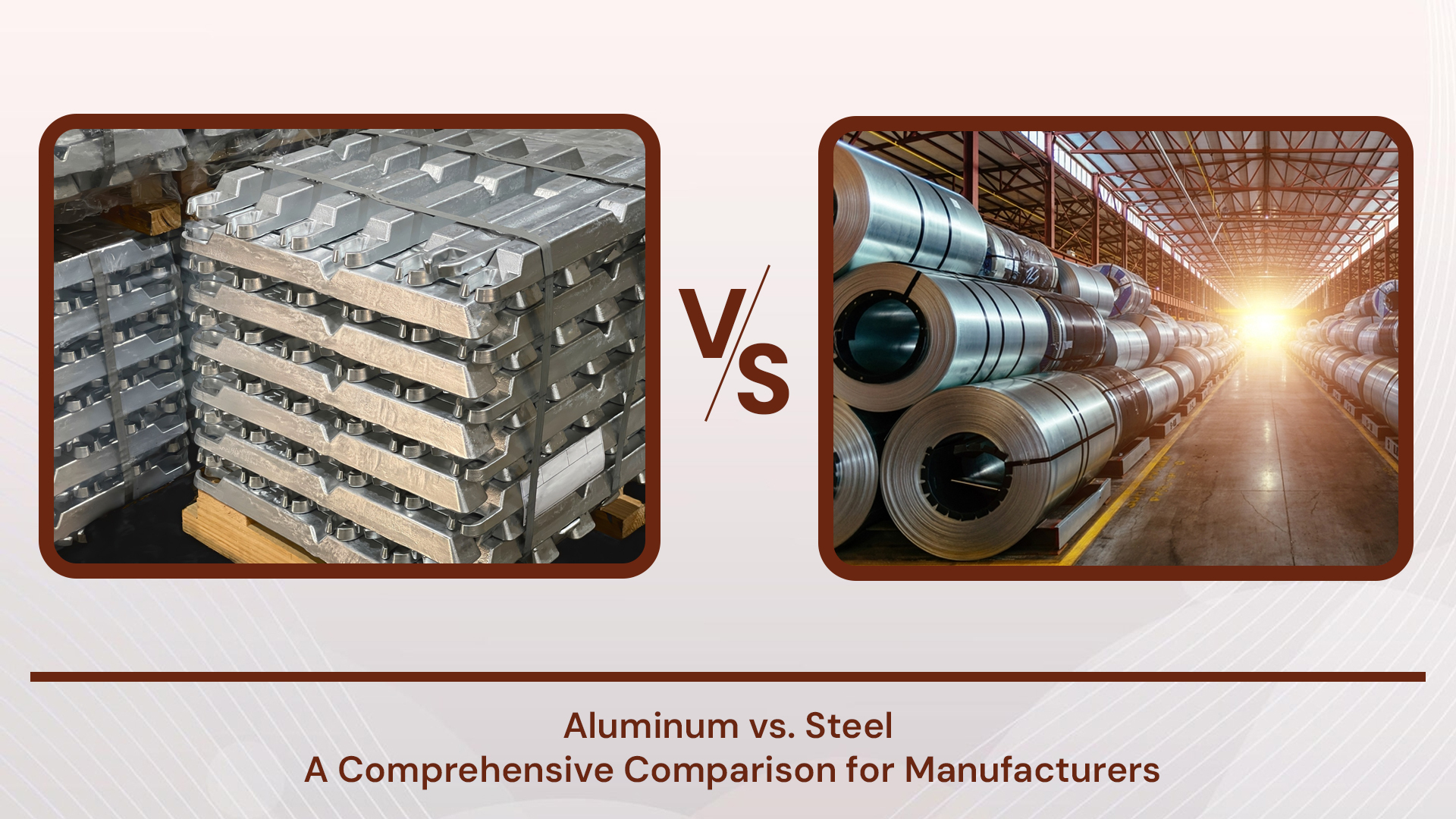
Aluminum vs. Steel: A Comprehensive Comp...