Key Features:
- Withstands Cracking: A metal with good formability undergoes deformation without the generation of cracks. This trait is important for seamless manufacturing.
- Compatibility with Processes: Metals with high formability can be processed easily by deep drawing, rolling, and extrusion processes in which they are shaped under stress.
- Depend on Material Properties: During shaping, factors such as ductility, grain structure, and temperature greatly influence the formability of a material.
Formability is high in demand in manufacturing industries such as automotive, aerospace, and appliances, where complex metal shapes have to be formed in the quickest yet reliable way. Materials with greater formability continue to minimize wastage and tool wear and increase production proficiency. By choosing metals of the right formability for a particular application, manufacturers can be assured of the further stages in product development.
A Comprehensive Exploration of Stainless...
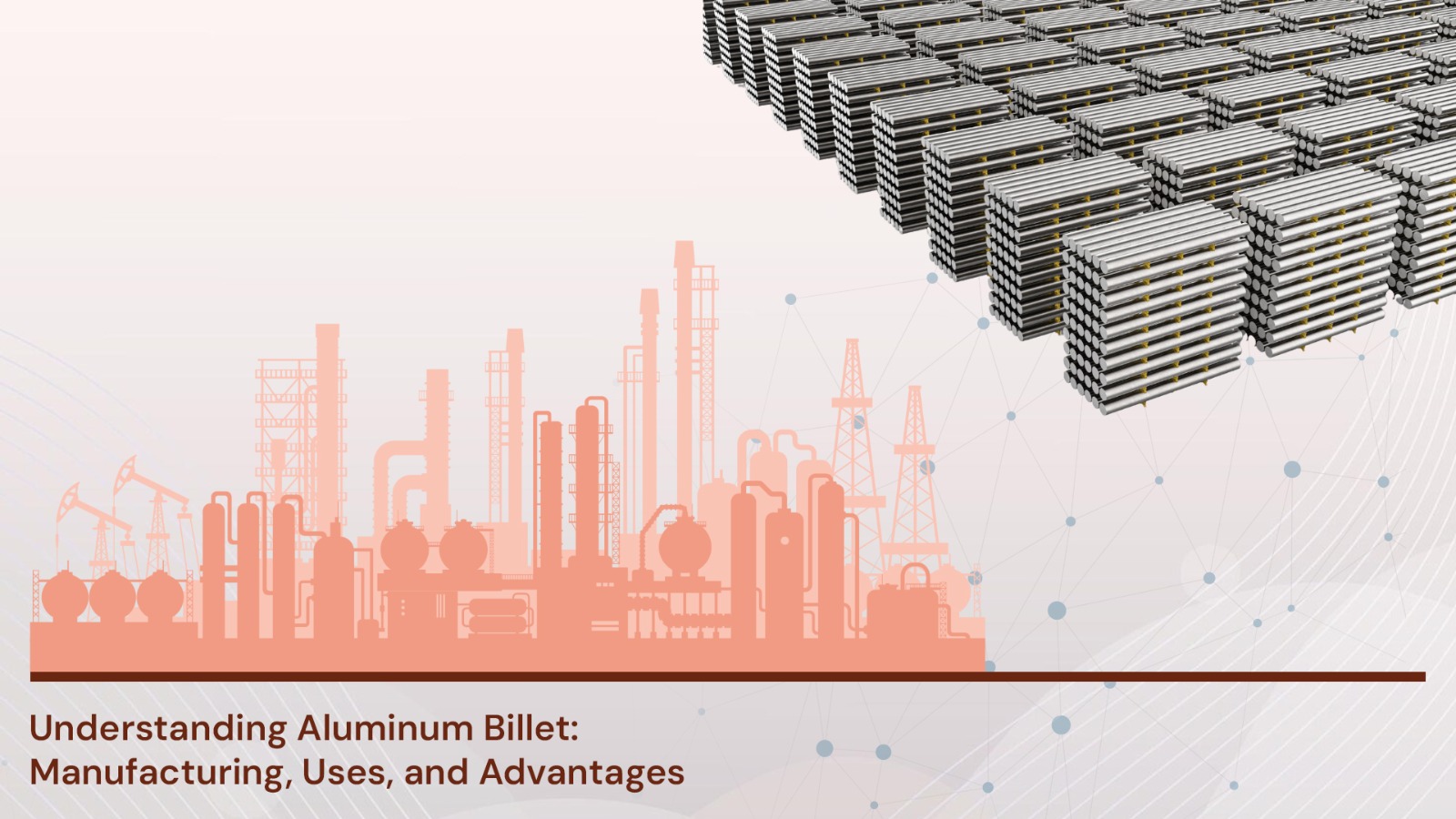
Understanding Aluminum Billet: Manufactu...
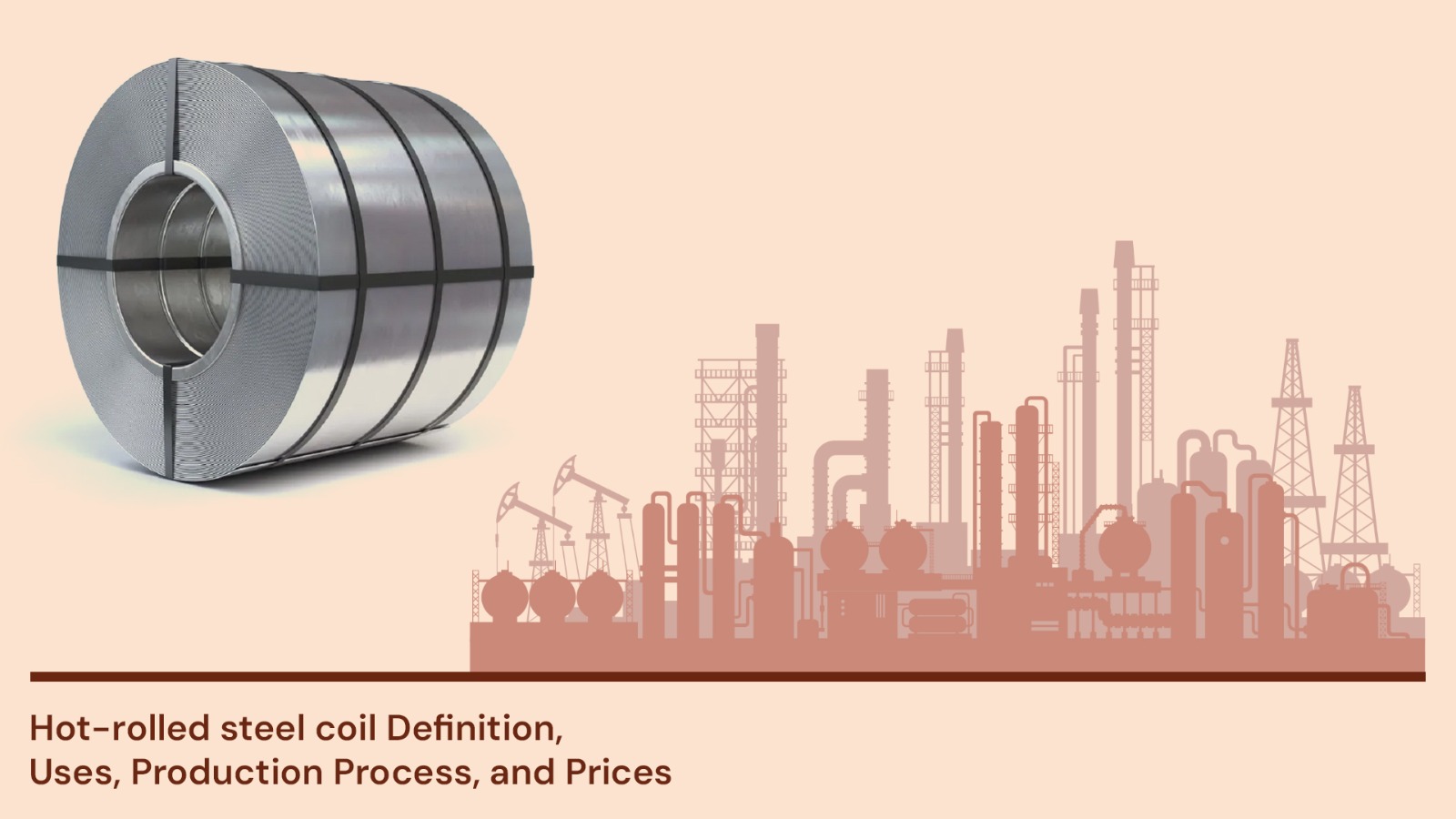
Hot-rolled steel coil: Definition, Uses,...
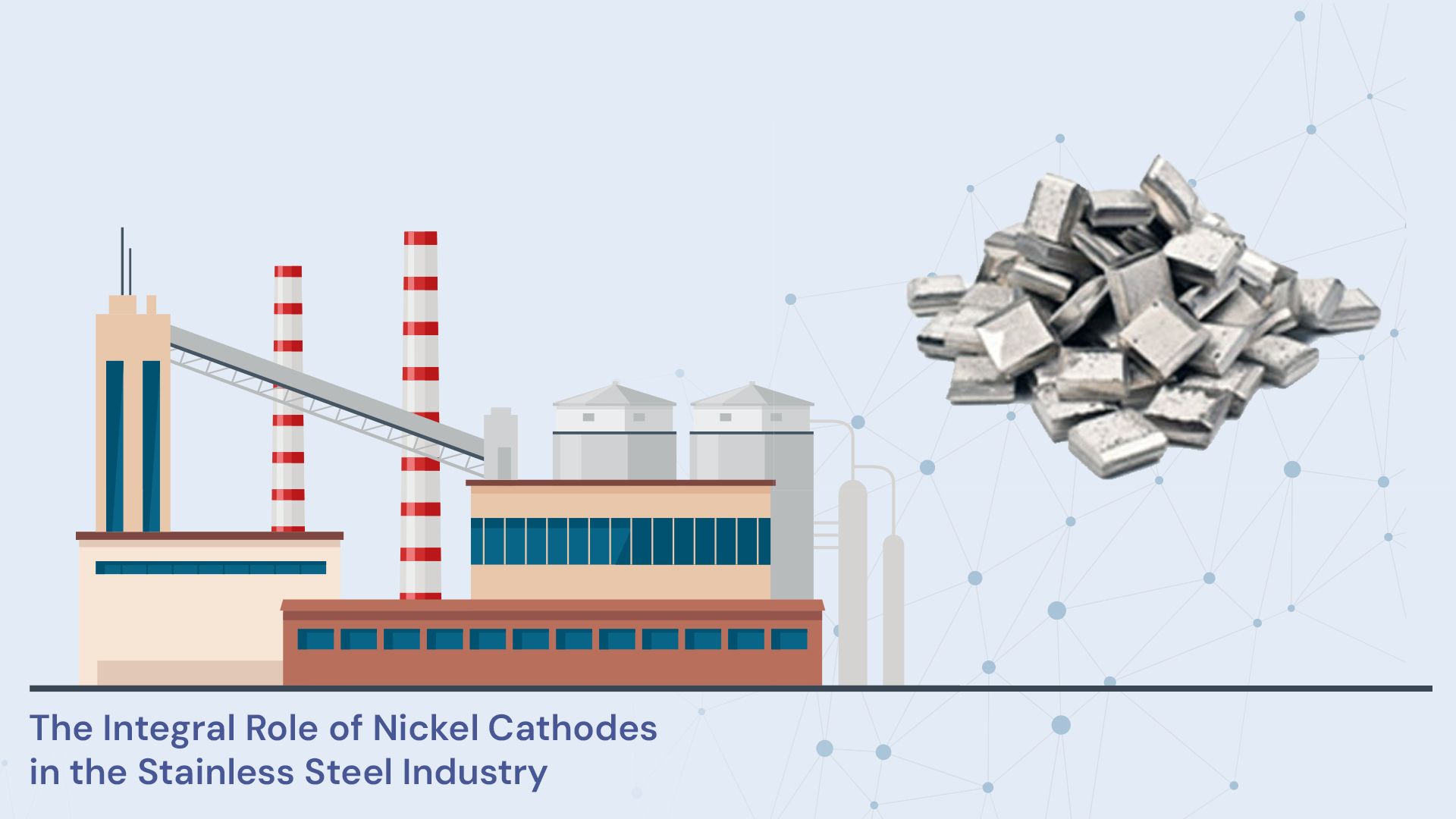
The Integral Role of Nickel Cathodes in ...
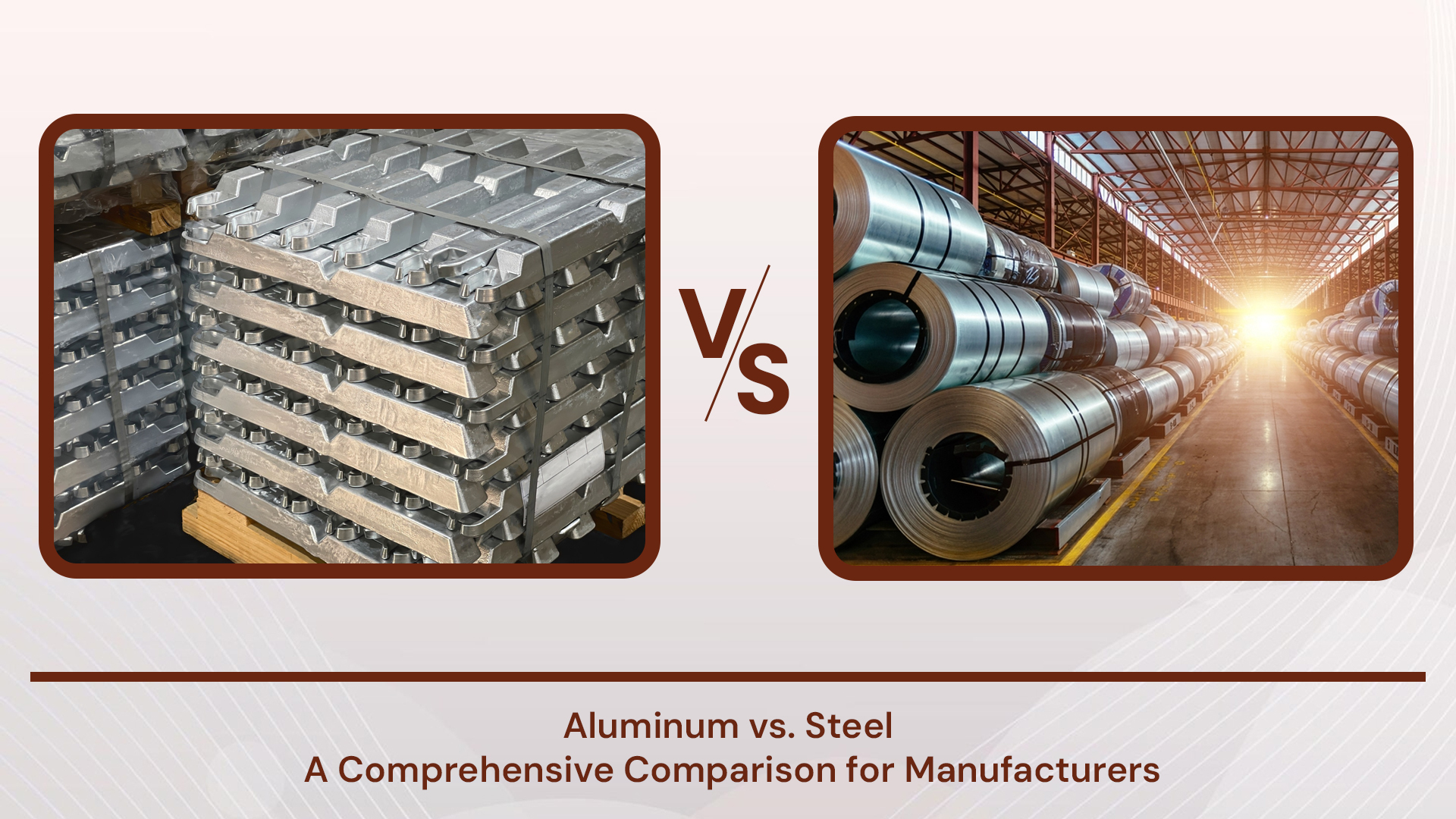
Aluminum vs. Steel: A Comprehensive Comp...
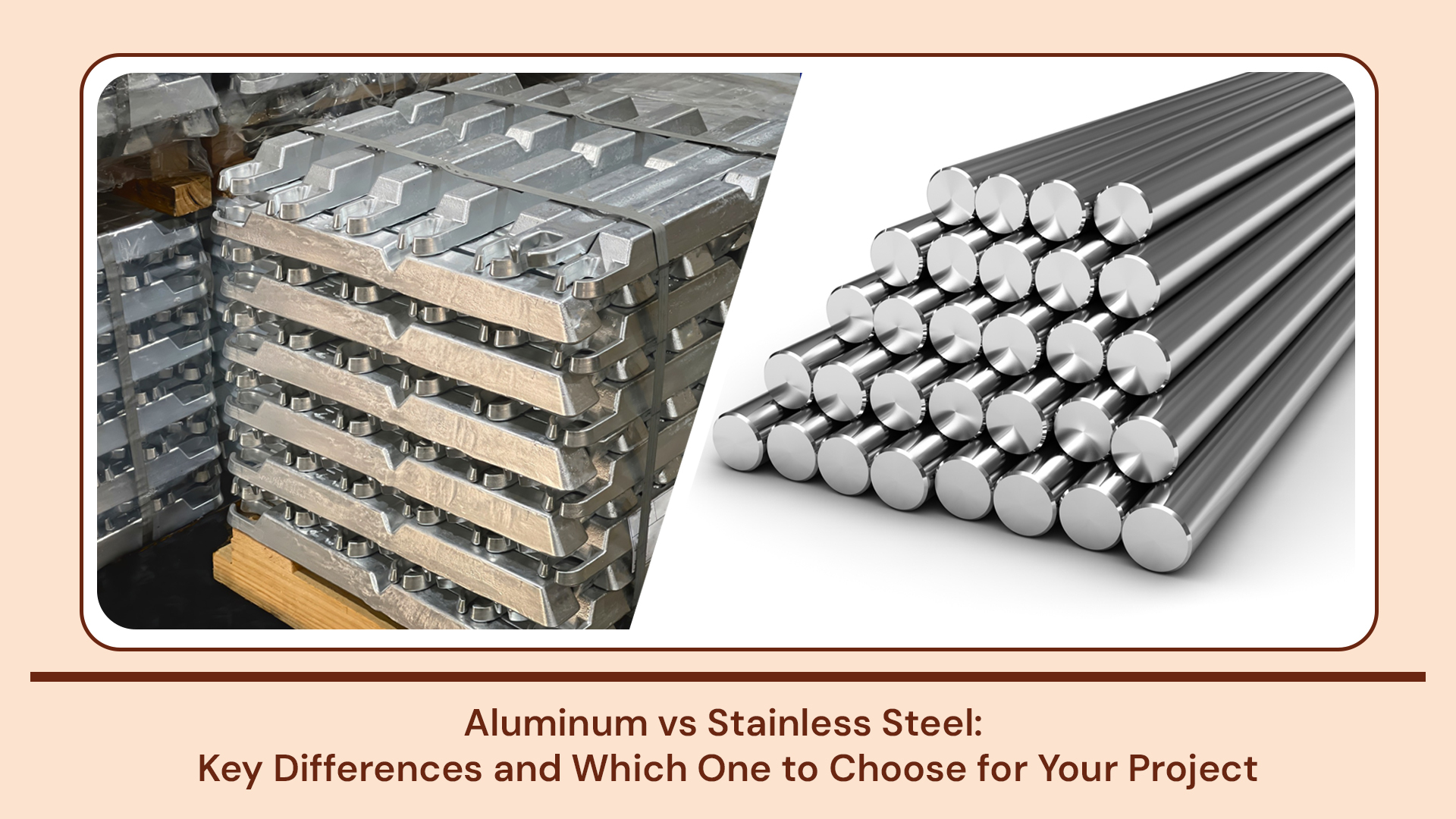
Aluminum vs. Stainless Steel: Key Differ...
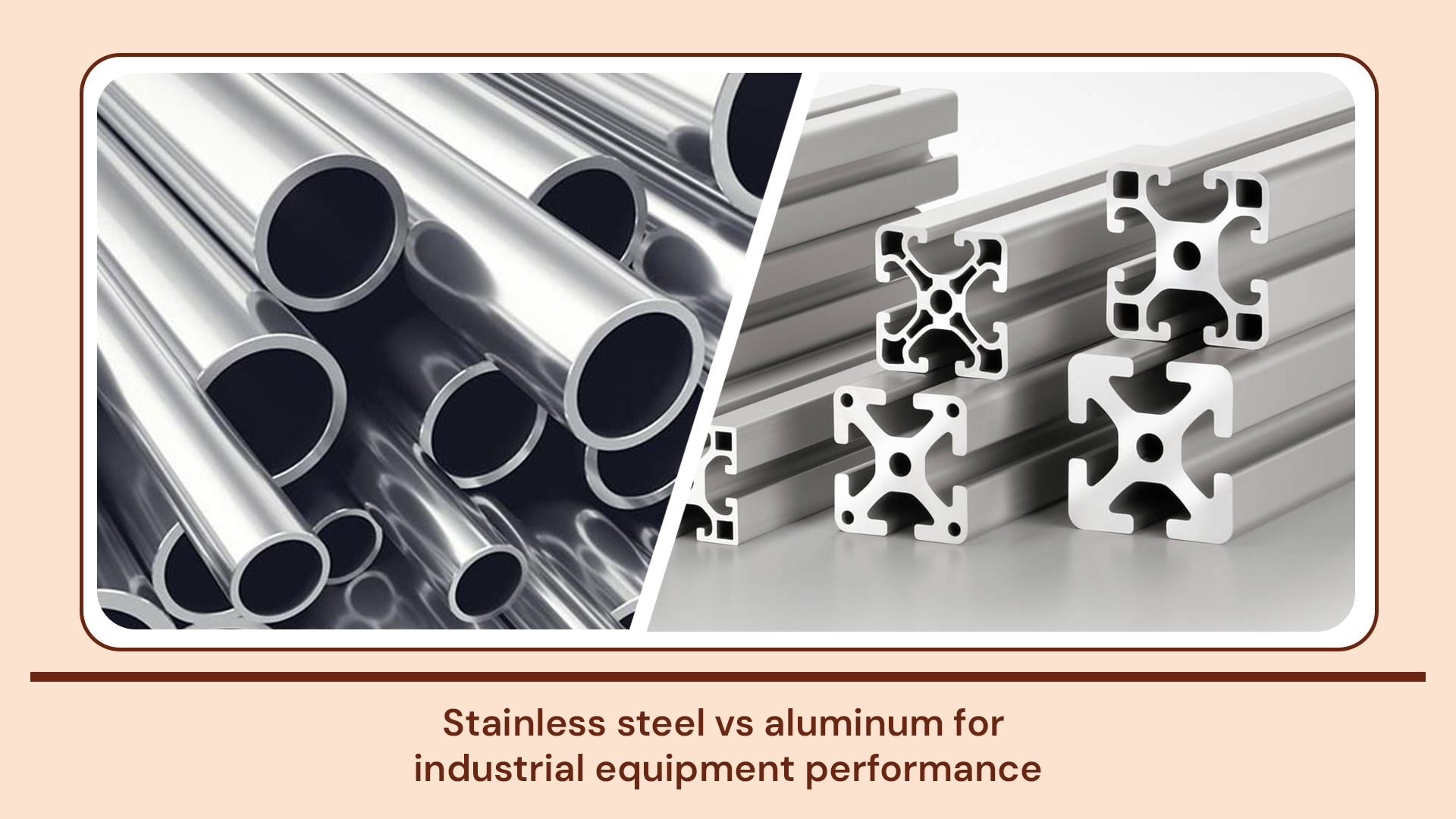
Stainless steel vs aluminum for industri...
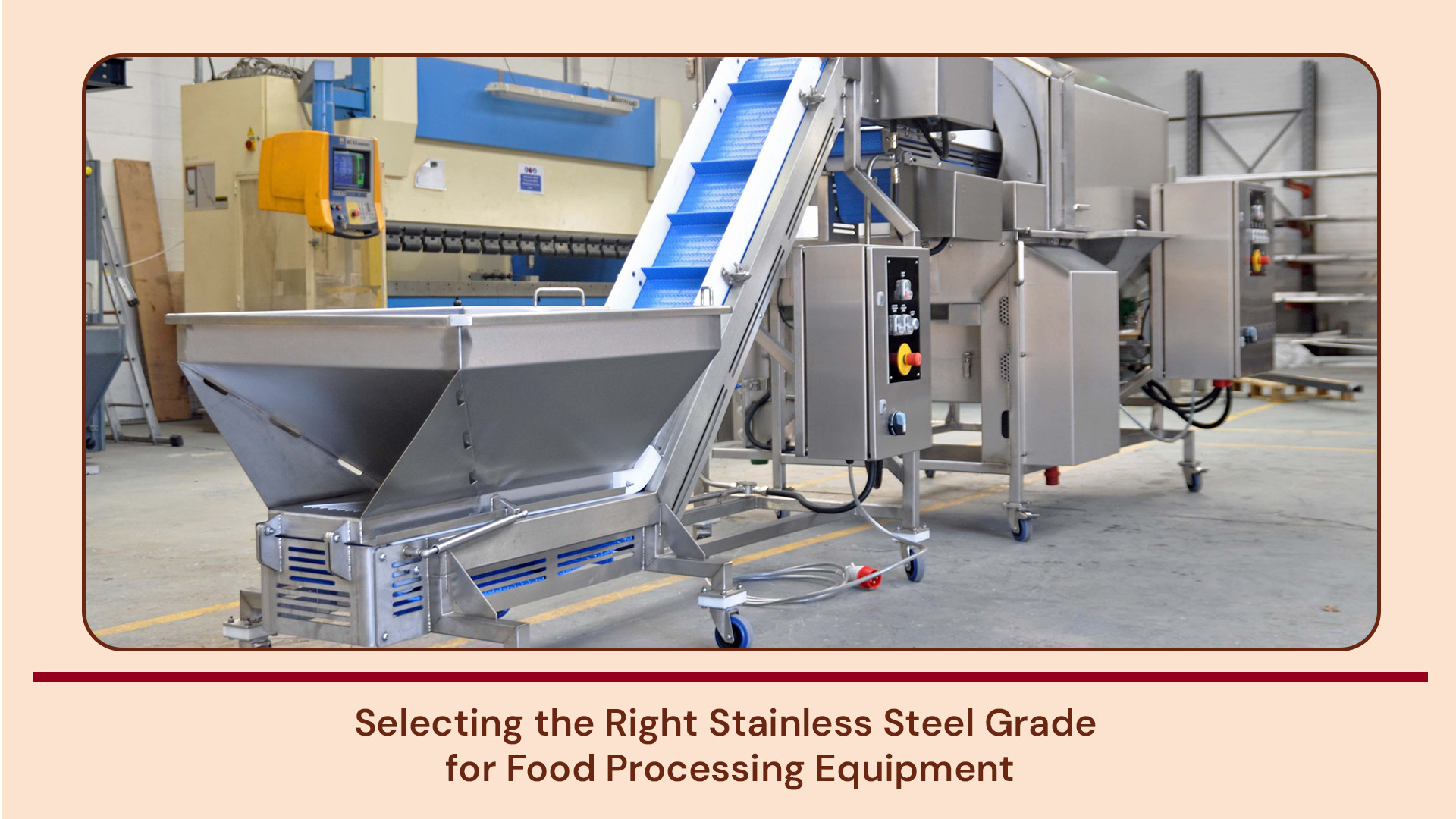
Selecting the Right Stainless Steel Gra...
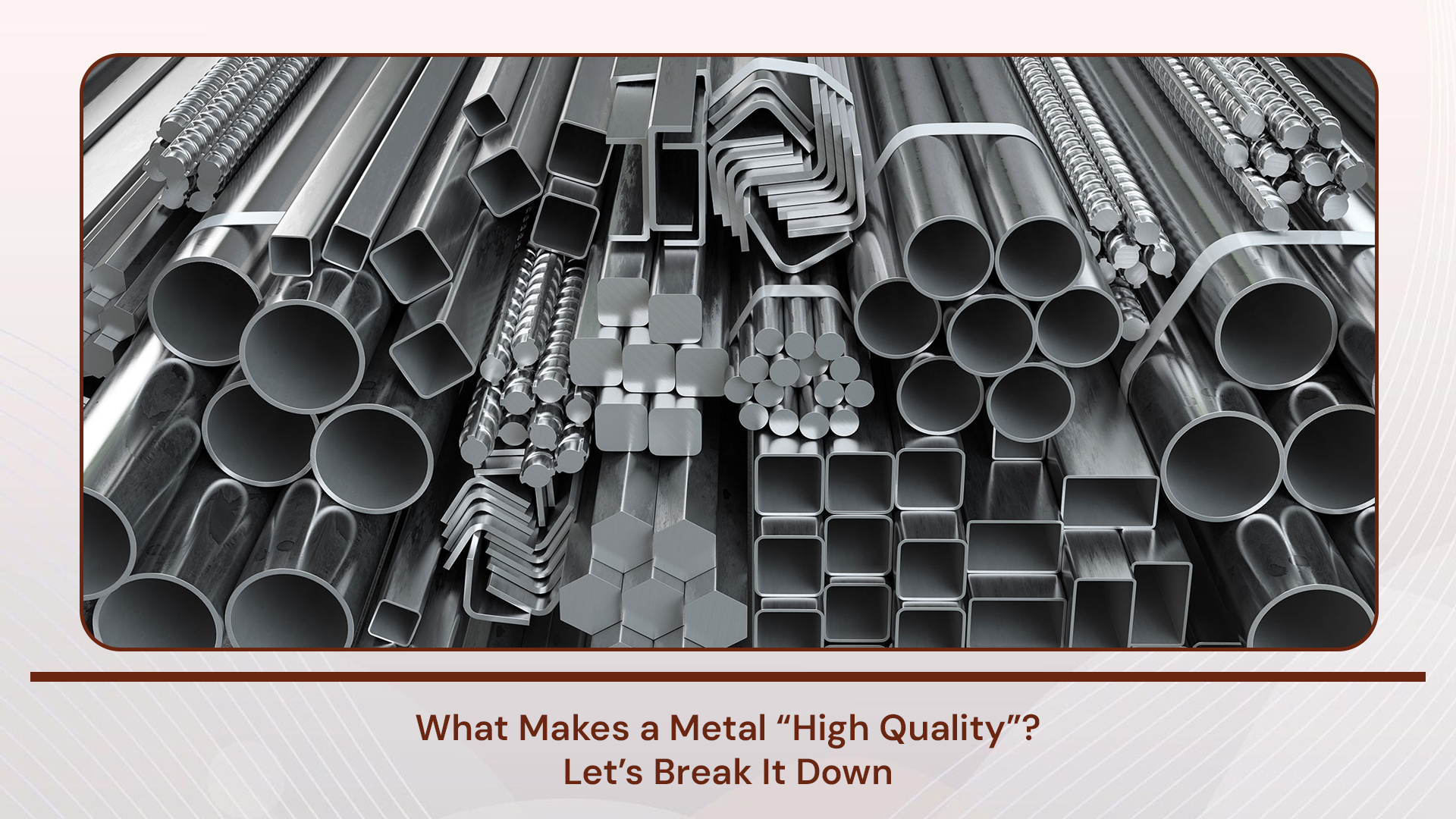
What Makes a Metal “High Quality”? Let’s...
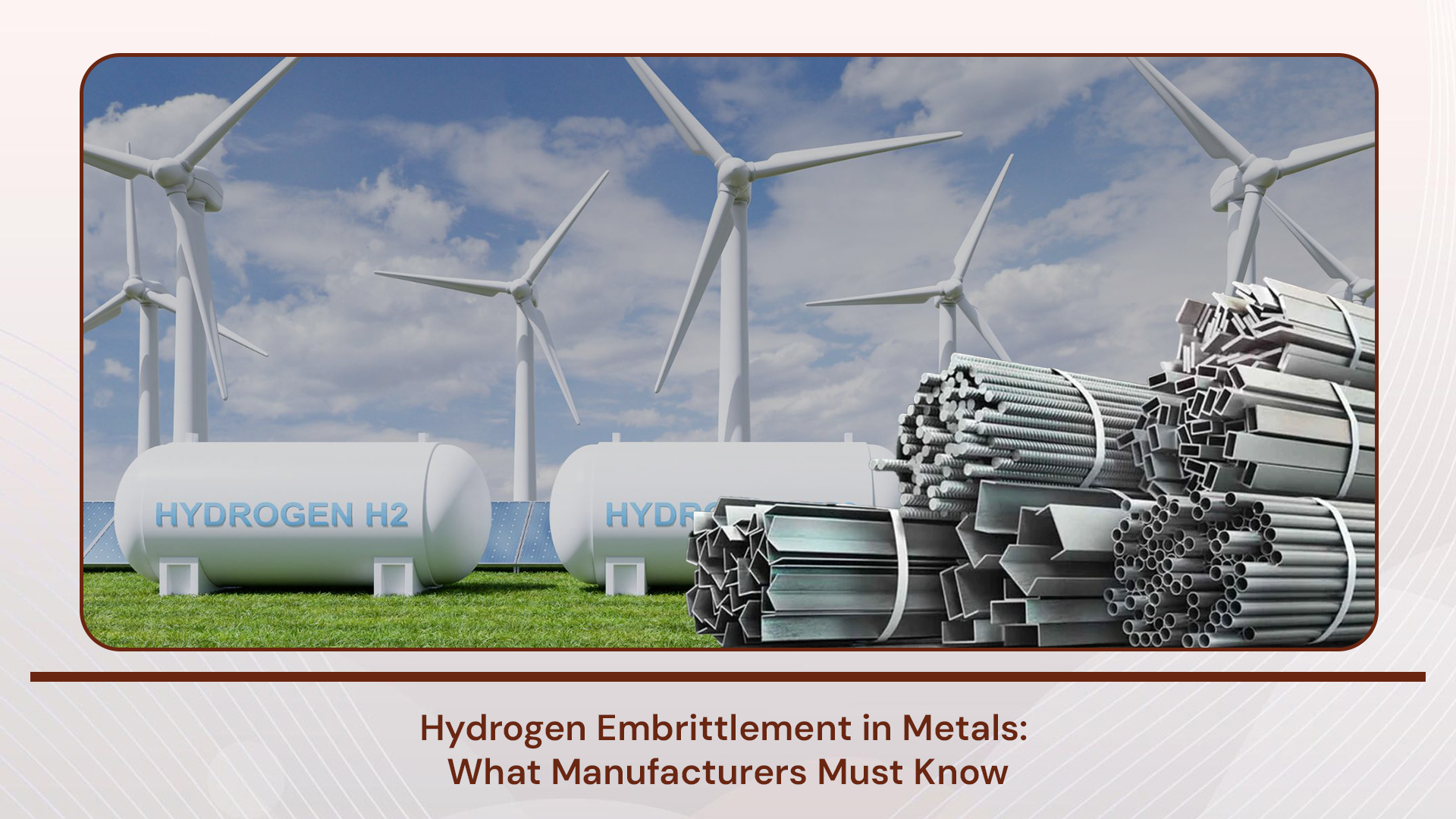
Hydrogen Embrittlement in Metals: What M...
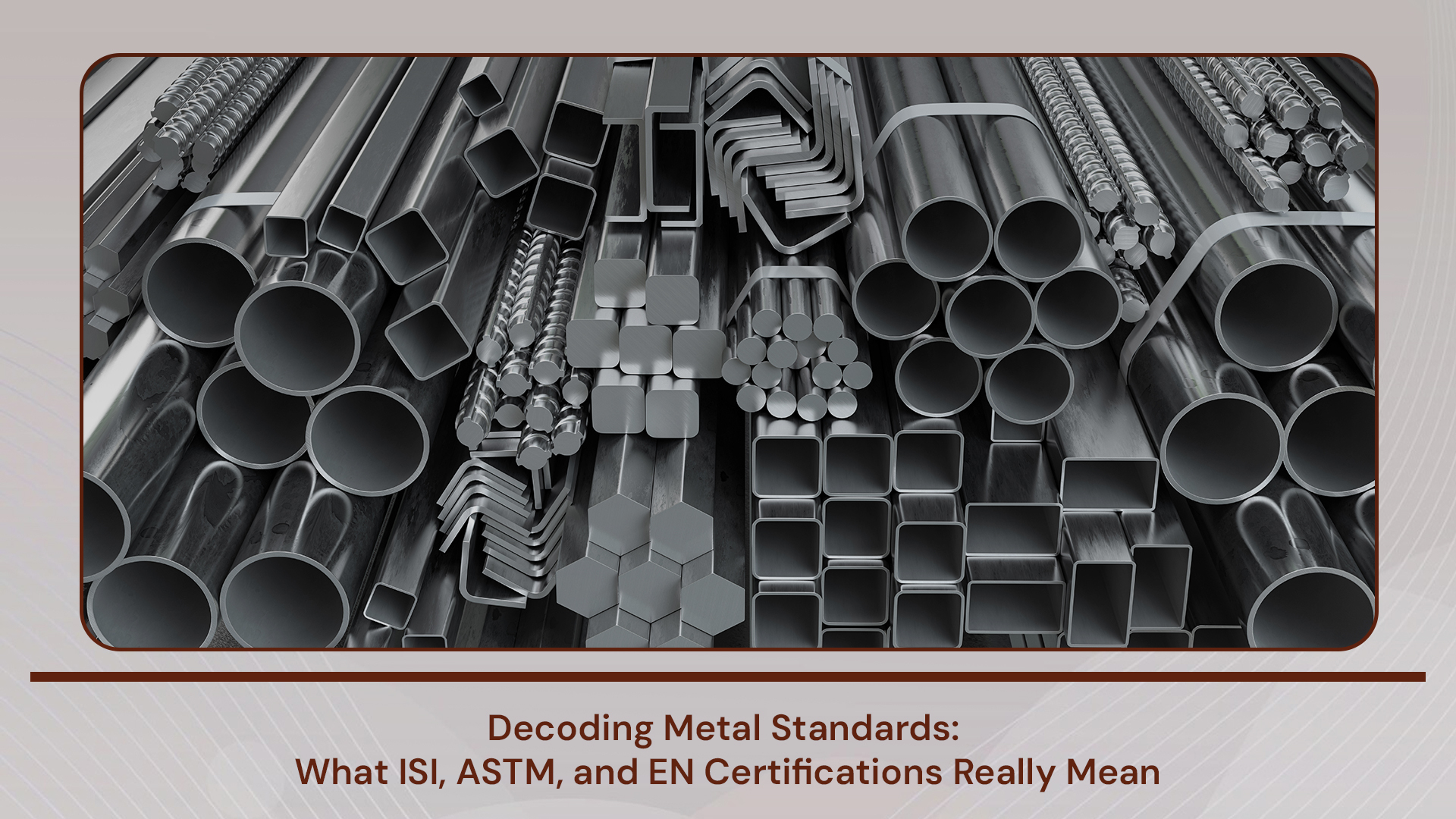
Decoding Metal Standards: What ISI, ASTM...

HSLA Grades Strengthens India’s Infrastr...