Key Features:
- Material Identification: The density of a material is used to distinguish between metals and alloys, since each material has its own characteristic density value.
- Design Considerations: Density is used by engineers to calculate weight, balance, and structural load, particularly in those applications where mass reduction is a serious consideration.
- Performance Insight: The knowledge of the density of metals aids in predicting their behavior under mechanical stress and thermal conditions or during machining and forming operations.
Thus, density is an important consideration in nearly every department in material science and engineering. In the aerospace and automotive industries, lower-density materials are considered for lightweight designs, improving fuel economy and performance. In contrast, high-density materials are used to provide stability and strength in applications for construction and protection. Density, as an intrinsic property, thus greatly aids in correct material selection, product design, and quality control for manufacturing and research-based environments.

Understanding Round Bars: Types, Uses, a...

Understanding Aluminum Billet: Manufactu...
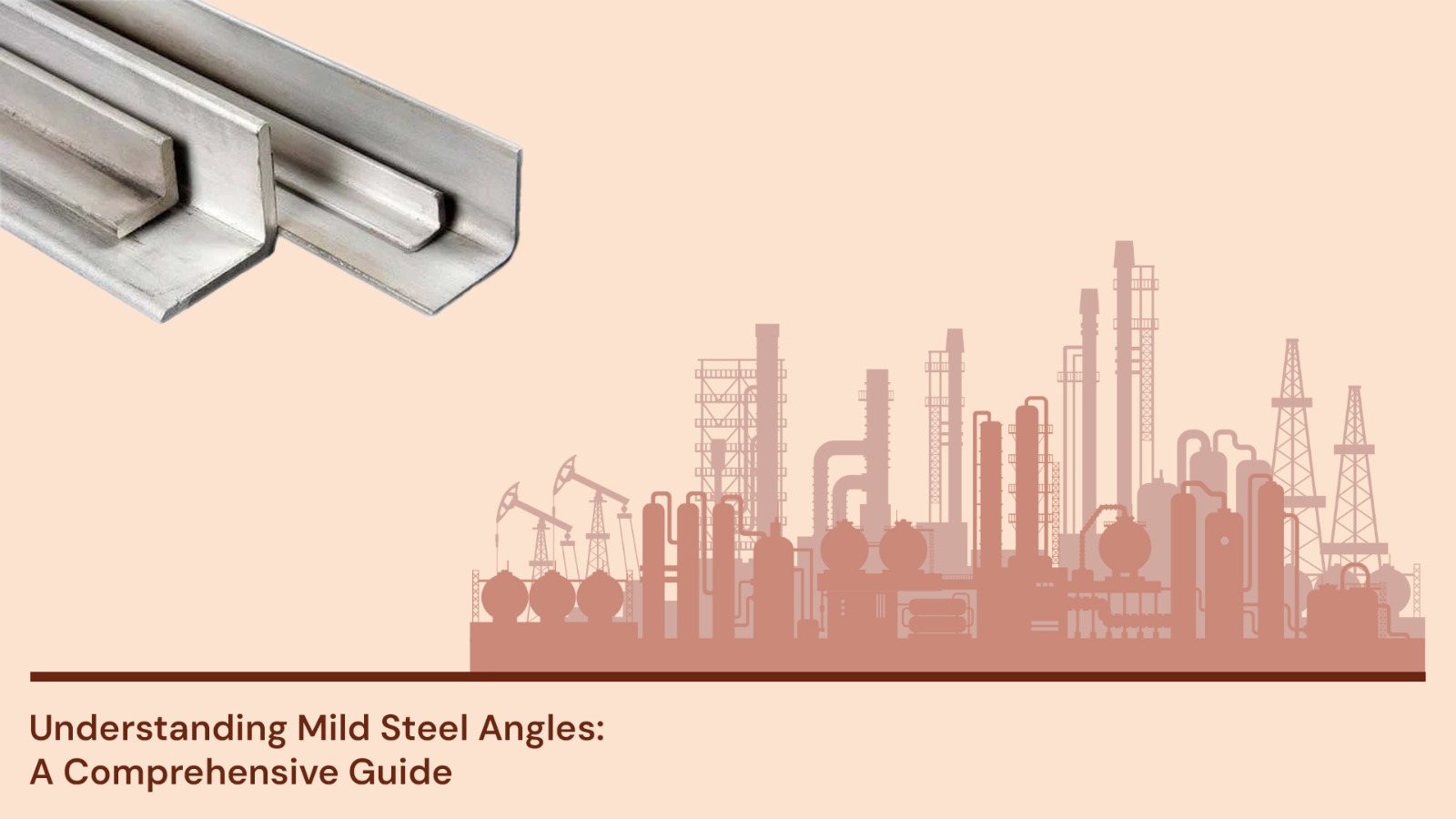
Understanding Mild Steel Angles: A Compr...
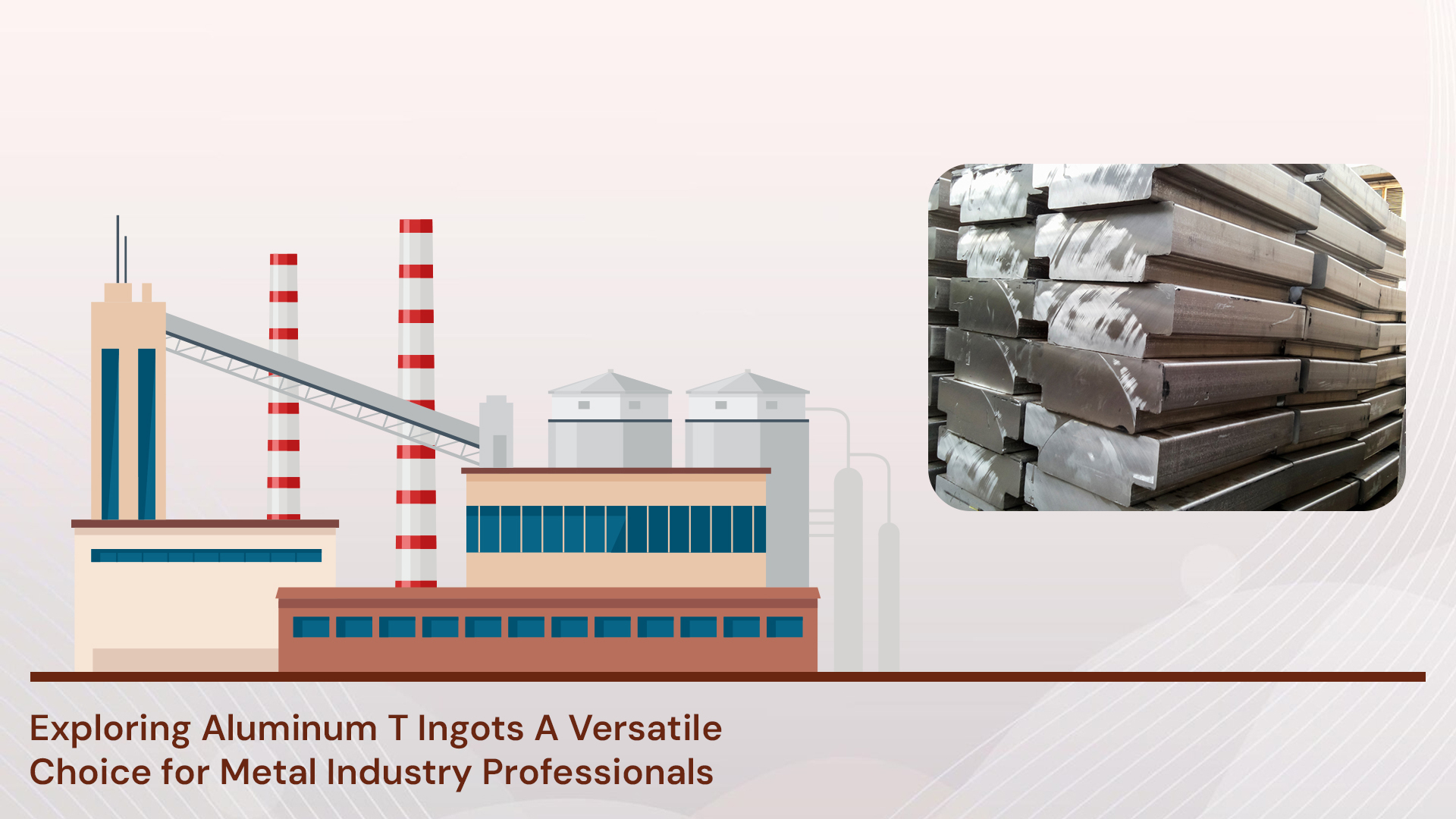
Exploring Aluminum T Ingots: A Versatile...

The Integral Role of Nickel Cathodes in ...
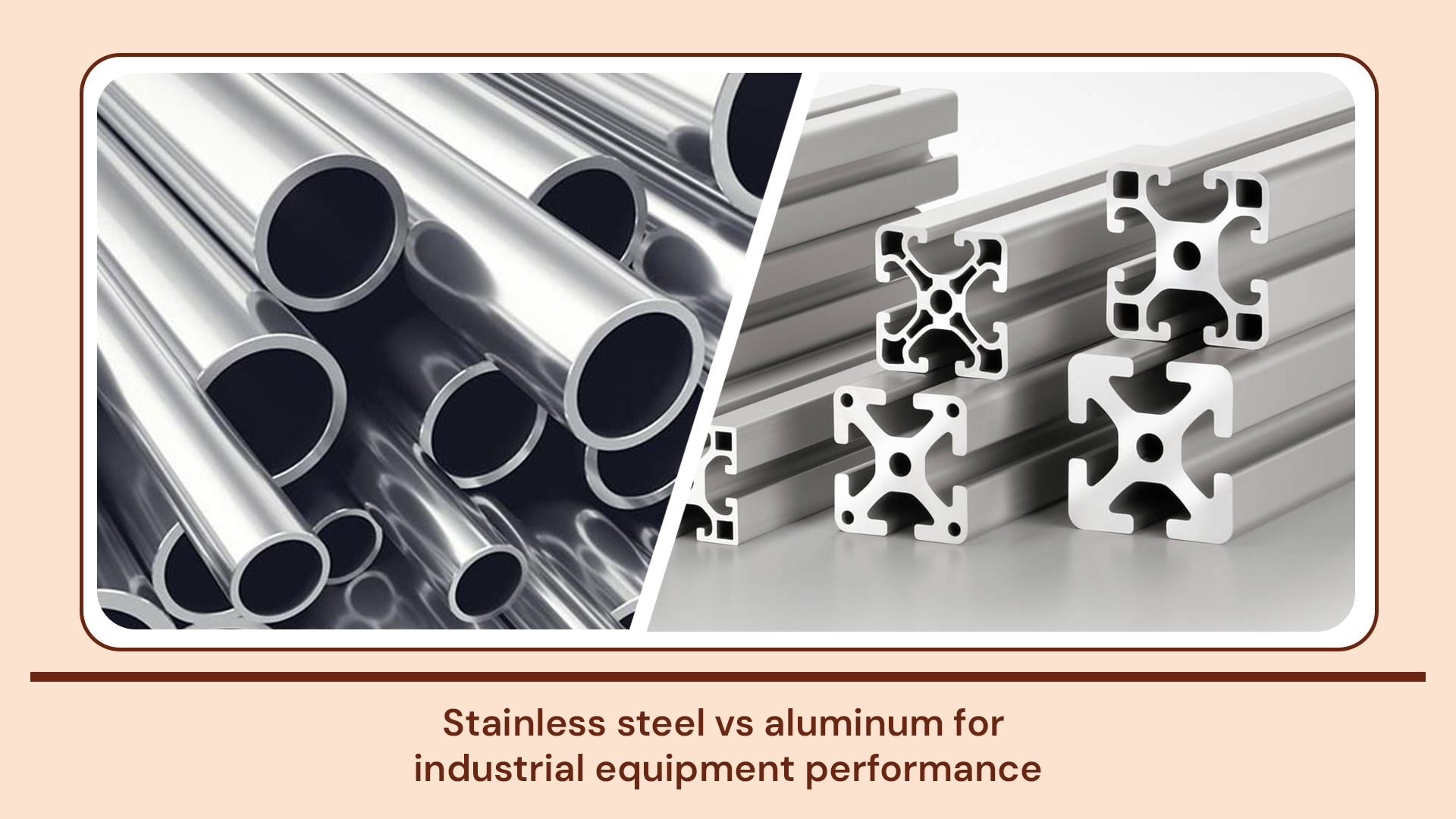
Stainless steel vs aluminum for industri...

How the Renewable Industry Benefits from...

India’s Steel Demand Surges in 2025: Inf...