An alloy is a metallic substance composed of two or more elements, with at least one being a metal. Alloys are designed to enhance the physical and mechanical properties of the base metal, making them suitable for a wide range of applications.
Key Features:
- Composition: The specific elements added to a base metal can significantly alter its characteristics. For example, adding carbon to iron creates steel, which is much stronger and more durable than iron alone.
- Types of Alloys: Alloys are classified primarily into ferrous (containing iron) and non-ferrous (not containing iron). Ferrous alloys include various types of steel, while non-ferrous alloys include materials like bronze (copper and tin) and brass (copper and zinc).
- Applications: Alloys' versatility means they are used in countless industries, including construction, automotive, aerospace, and electronics. Each application demands specific properties, such as corrosion resistance, strength, or ductility.
The development of alloys is a critical aspect of material science and engineering. By adjusting the alloying elements and their proportions, manufacturers can tailor materials to meet precise specifications for strength, weight, corrosion resistance, and thermal conductivity. For instance, stainless steel contains chromium and nickel, which enhance its corrosion resistance, making it ideal for kitchenware, medical instruments, and architectural structures. The ability to engineer alloys enables technological advancements, allowing industries to create lightweight yet robust components essential for high-performance applications, from aircraft and automobiles to electronic devices.
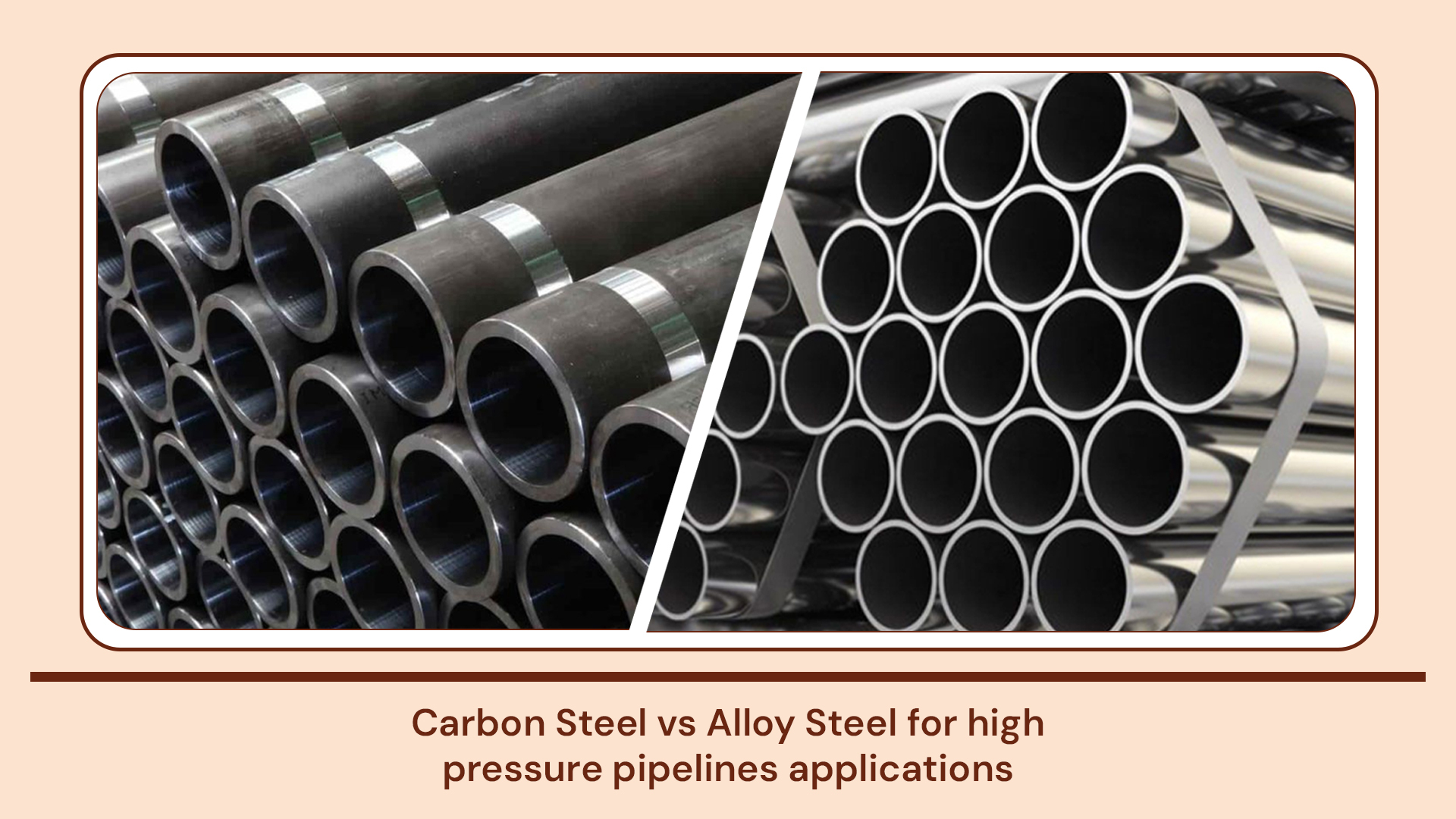
Carbon Steel vs Alloy Steel for high-pre...

How Steel is made?
MS Sheets and Plates: Essential Guide to...
A Comprehensive Exploration of Stainless...
Exploring Aluminum T Ingots: A Versatile...

The Ultimate Industrial Revolution: How ...
From Ore to Infinity: Unveiling Steel's ...
The Basics of Stainless Steel: A Compreh...

Steel Pipe Dimensions & Sizes Chart (Sch...
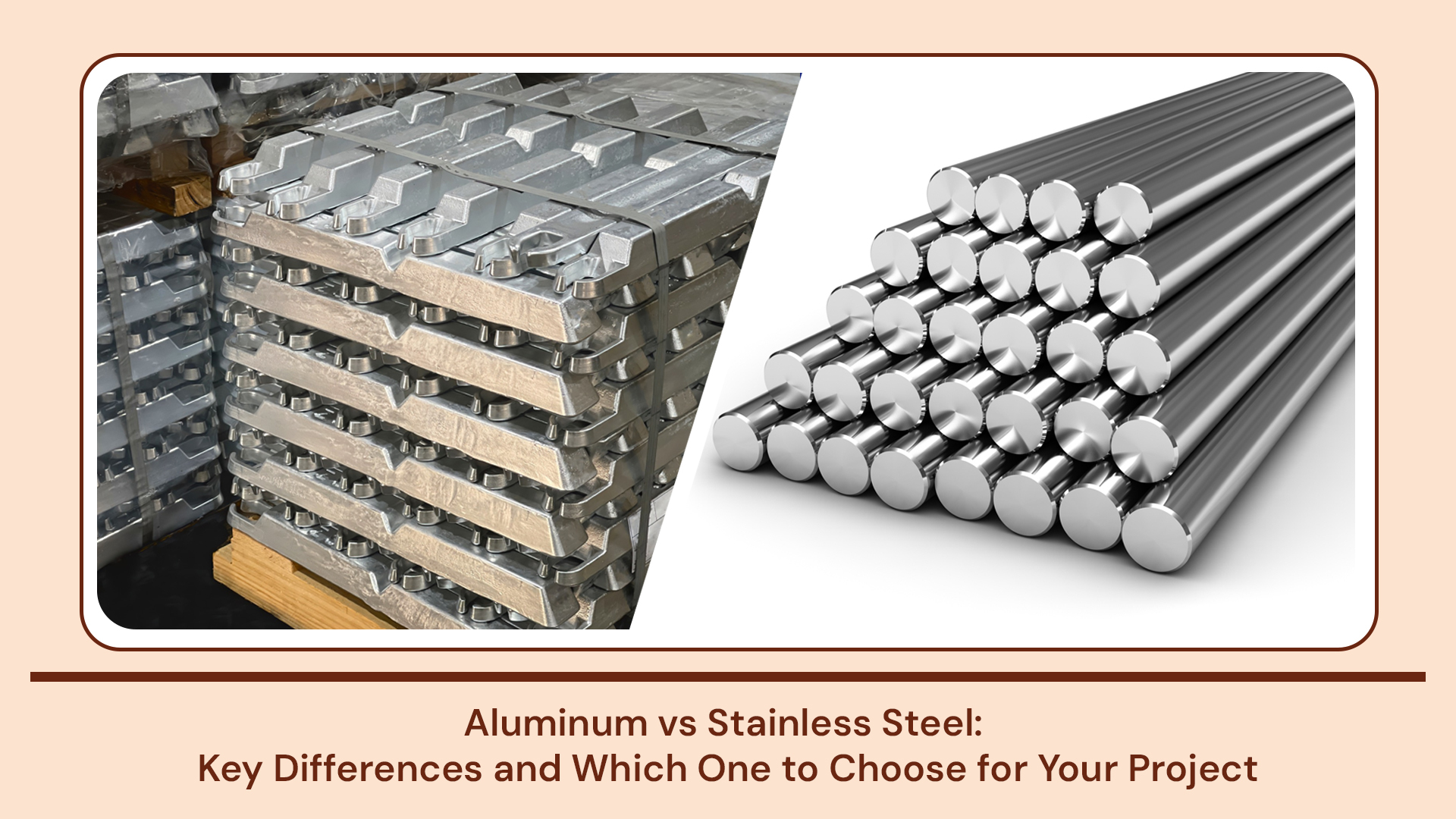
Aluminum vs. Stainless Steel: Key Differ...
The Importance of Steel Scrap in the Ste...
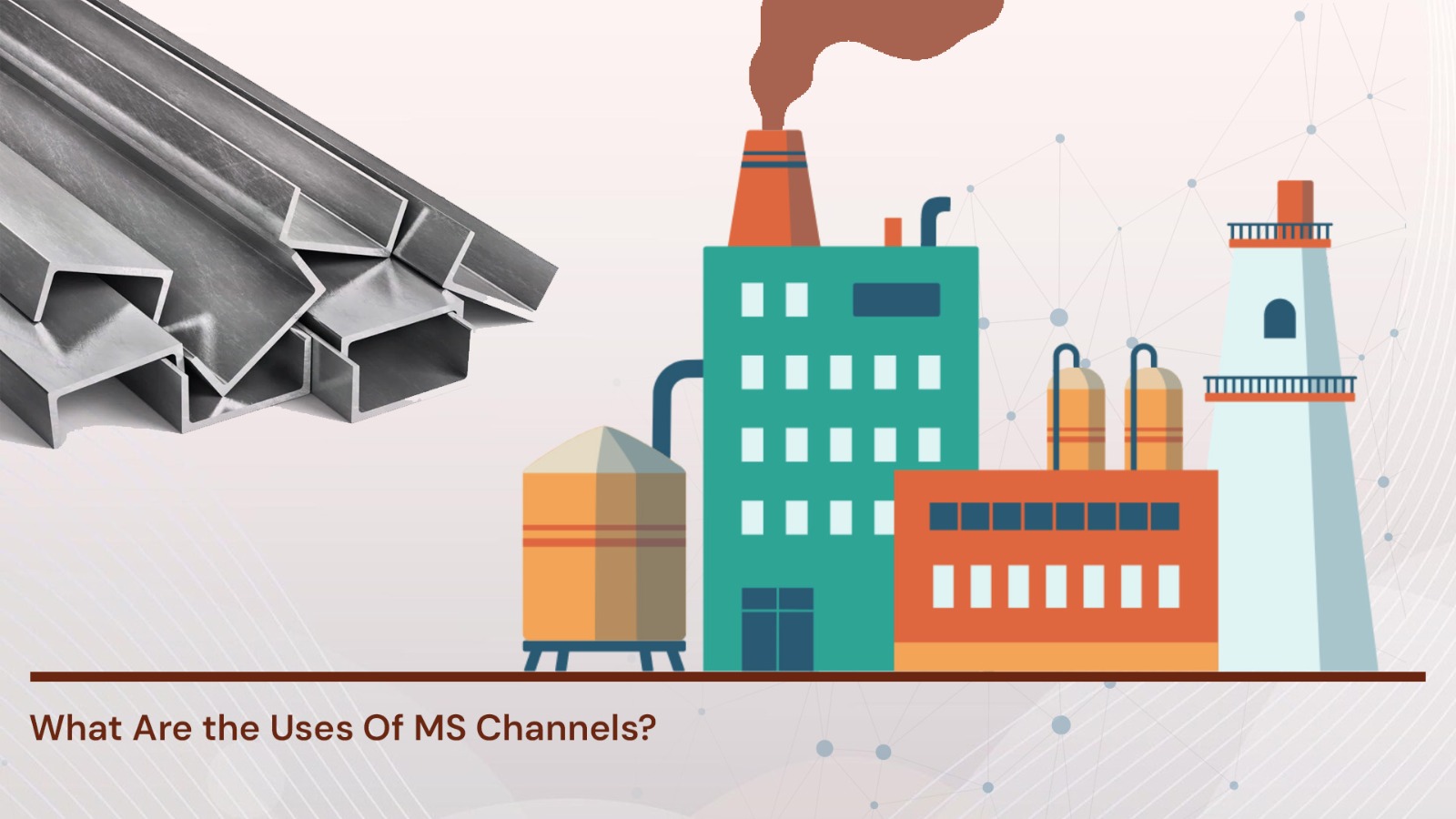
What Are the Uses Of MS Channels?
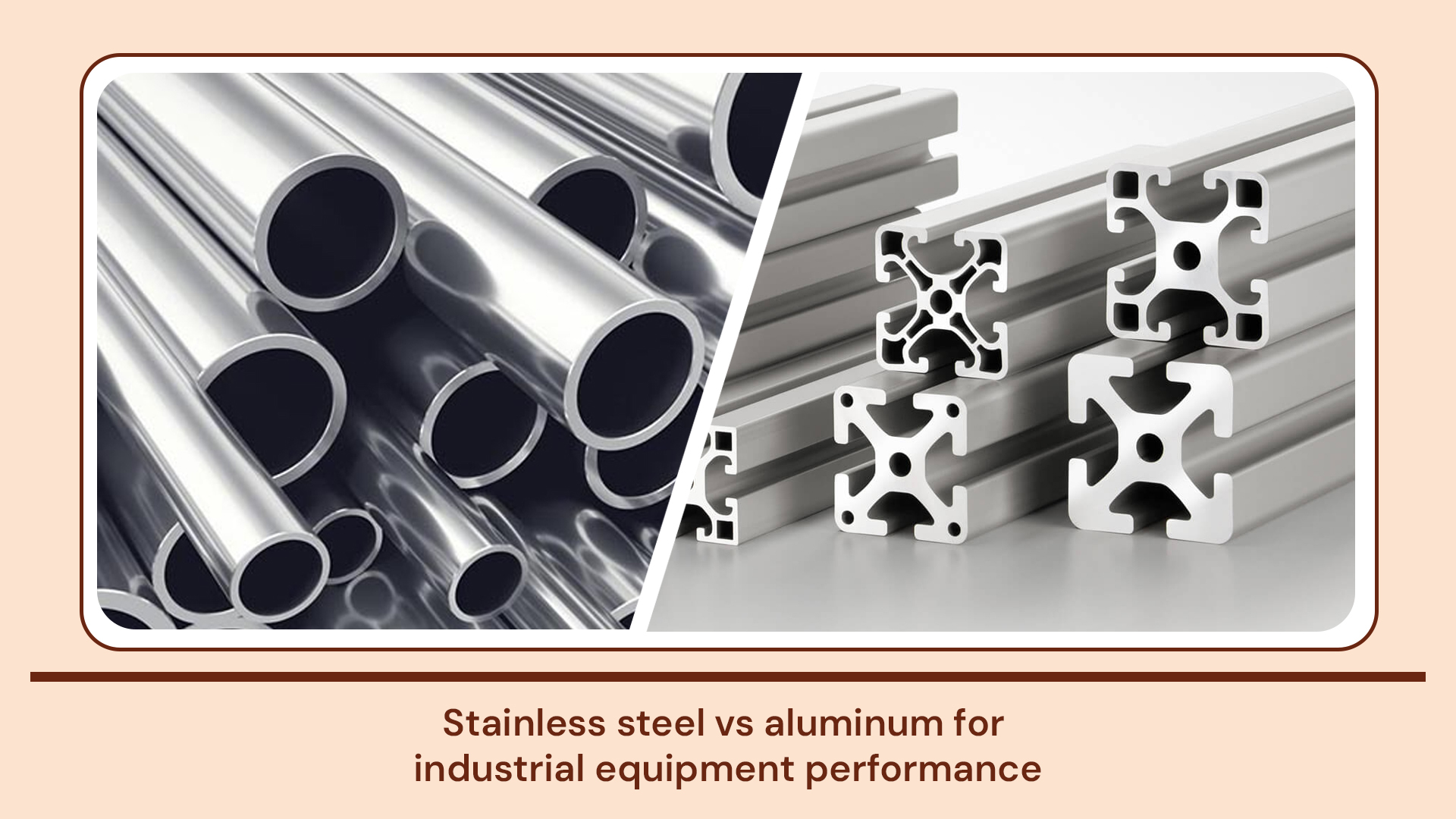
Stainless steel vs aluminum for industri...
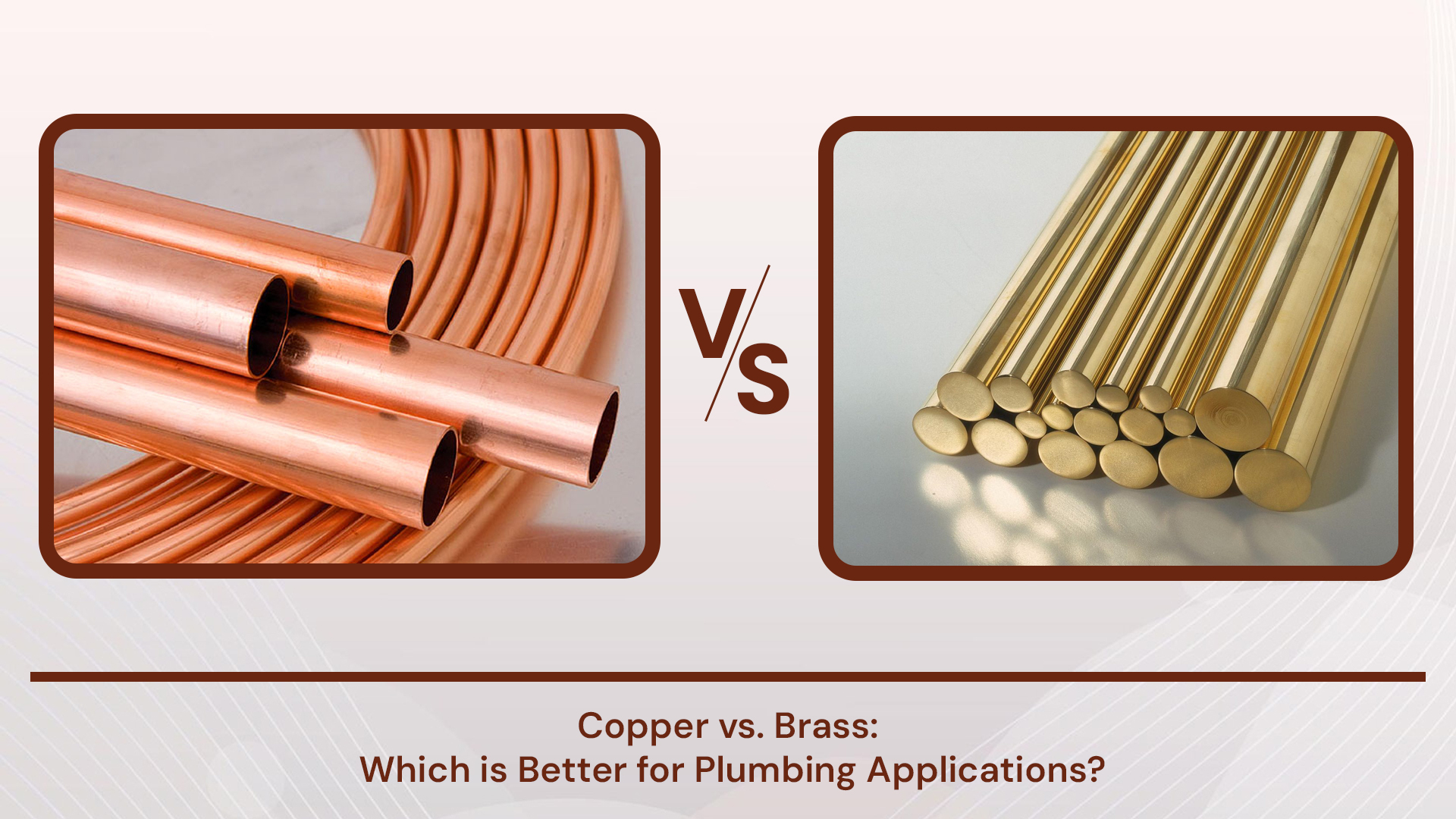
Copper vs. Brass: Which is Better for Pl...

Stainless Steel Angles: Unveiling the St...
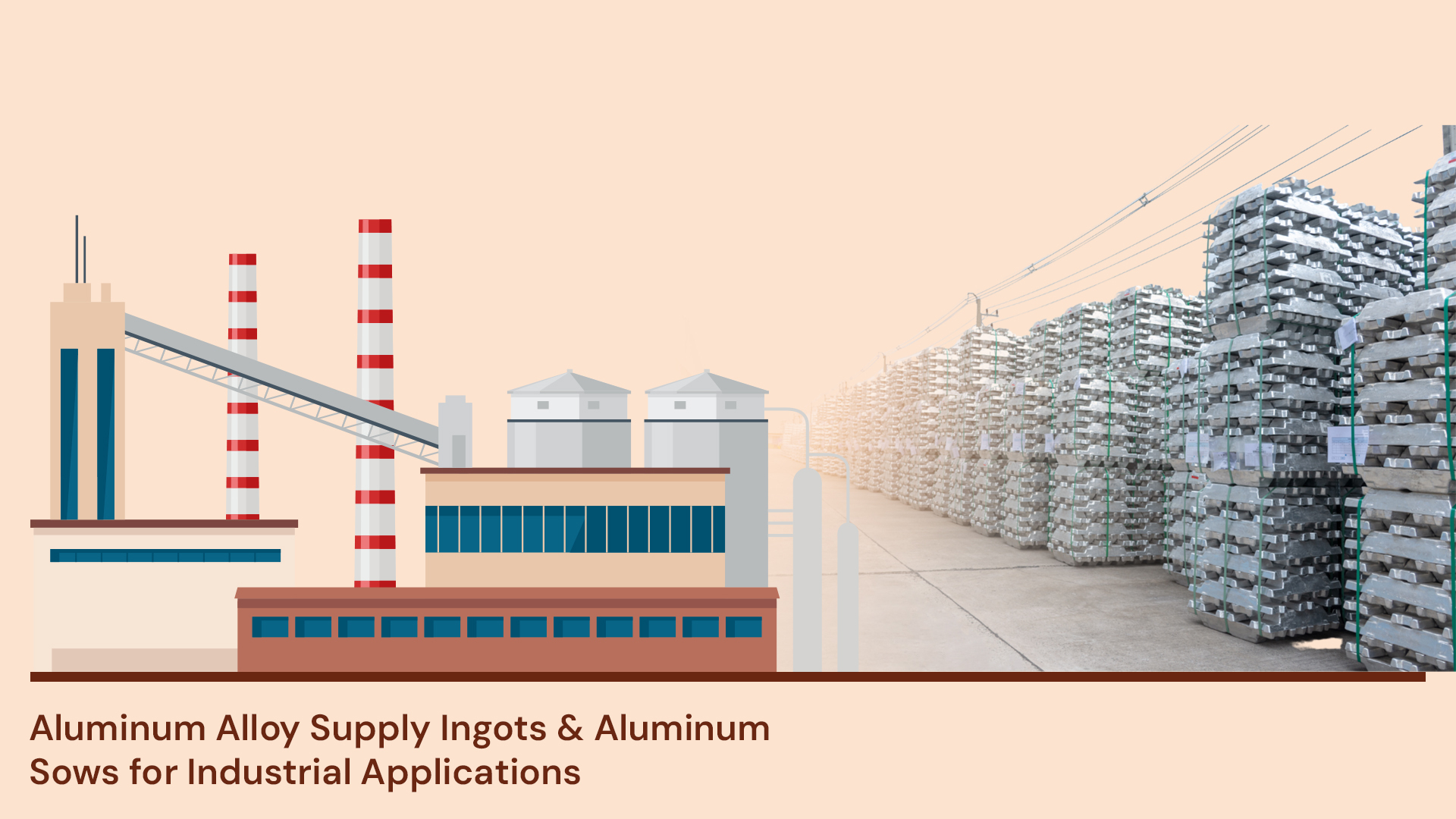
Aluminum Alloy Supply: Ingots & Aluminum...
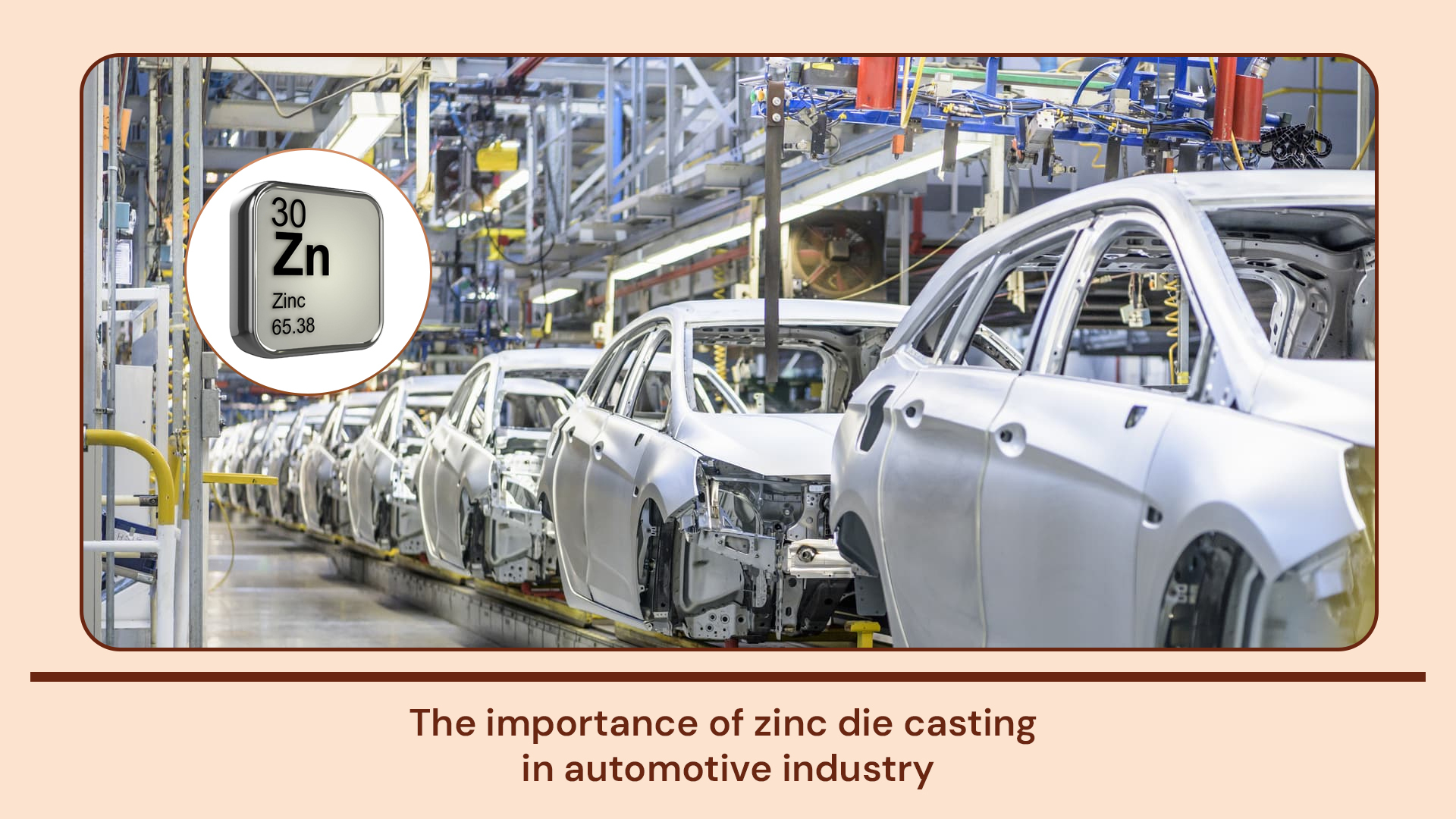
The Importance of Zinc Die Casting in Au...

Rare Earth Permanent Magnets: Why India'...

Nickel Briquettes: Market Trends, Appli...
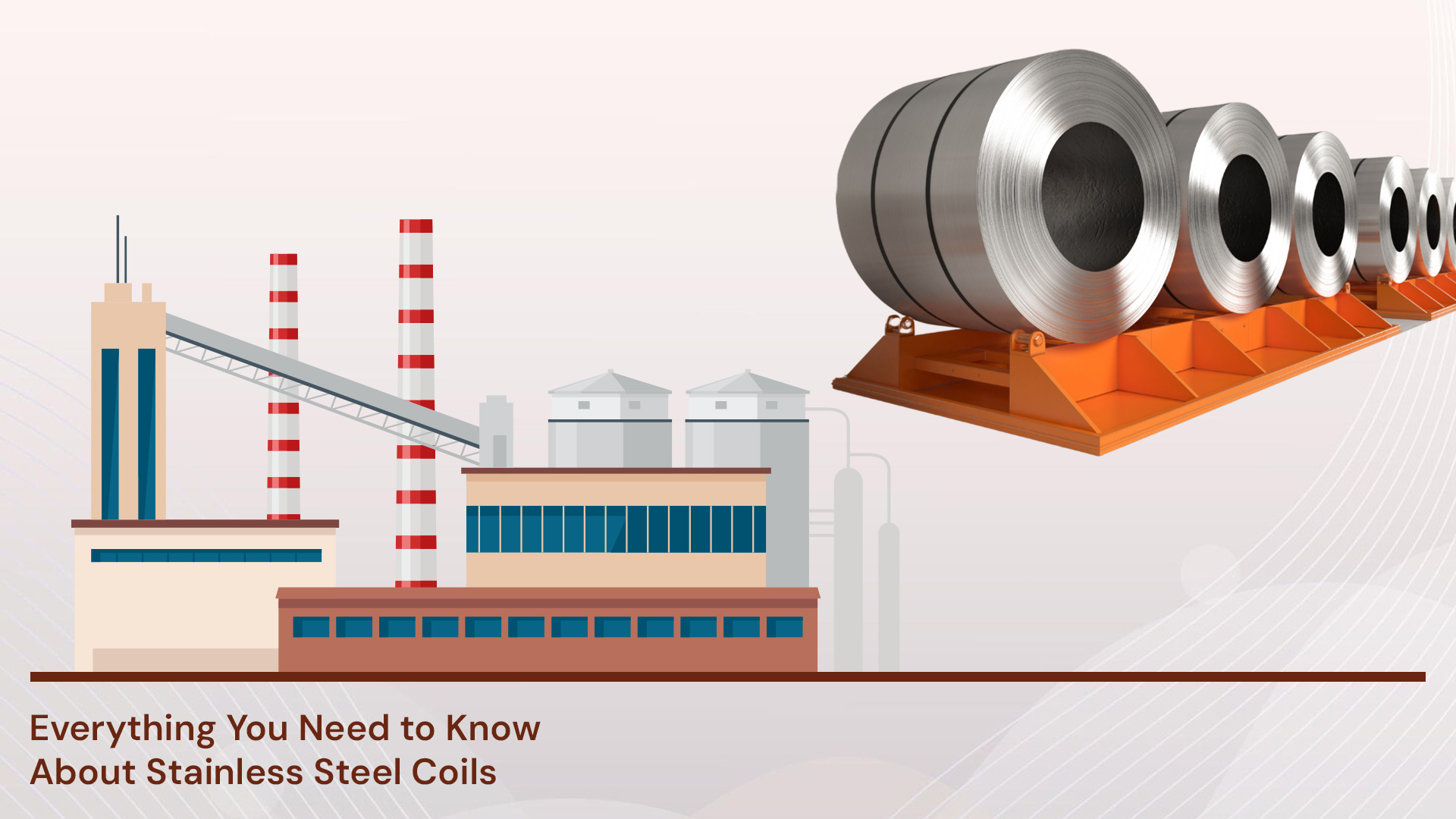
Everything You Need to Know About Stainl...
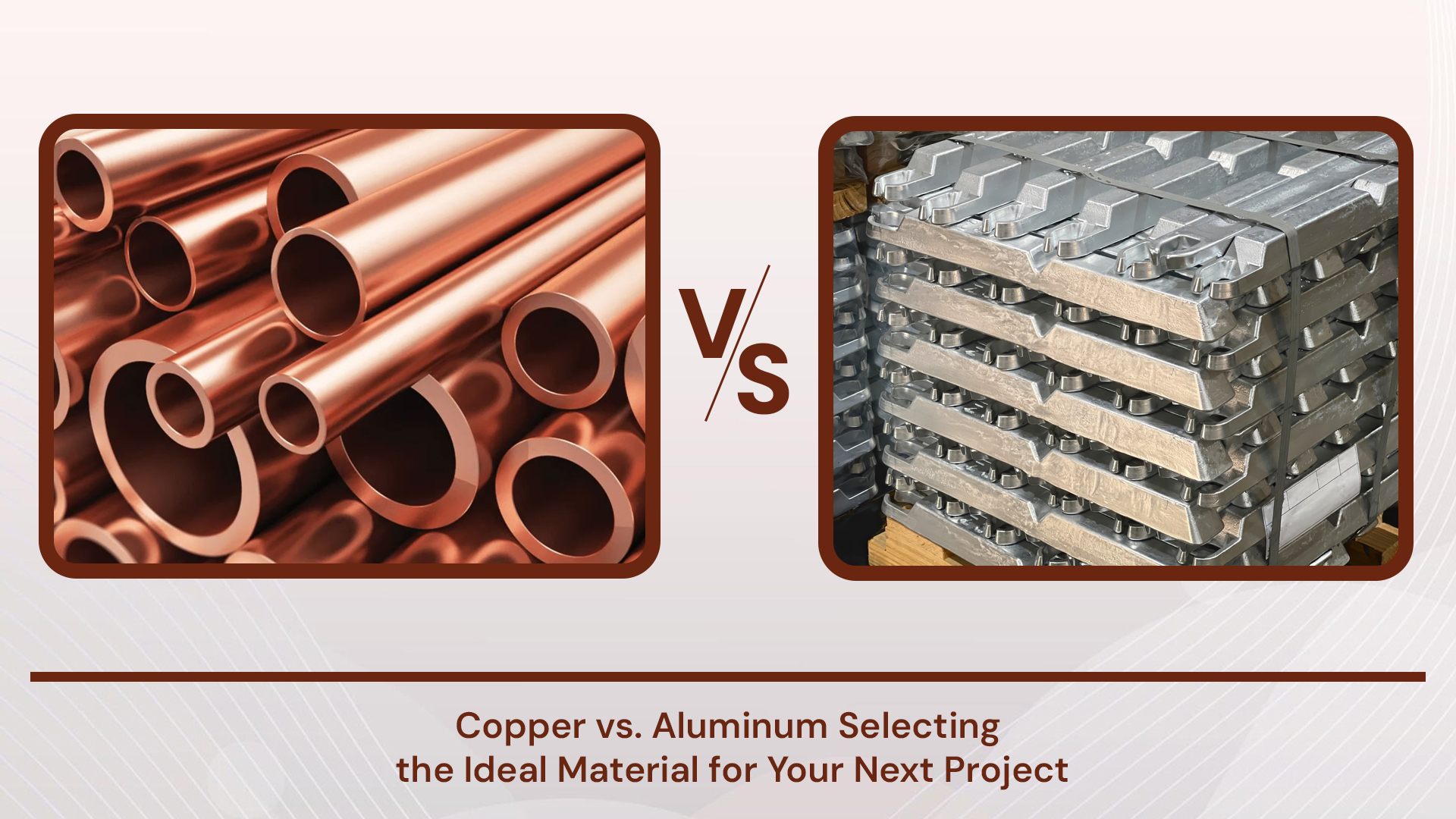
Copper vs. Aluminum: Selecting the Ideal...
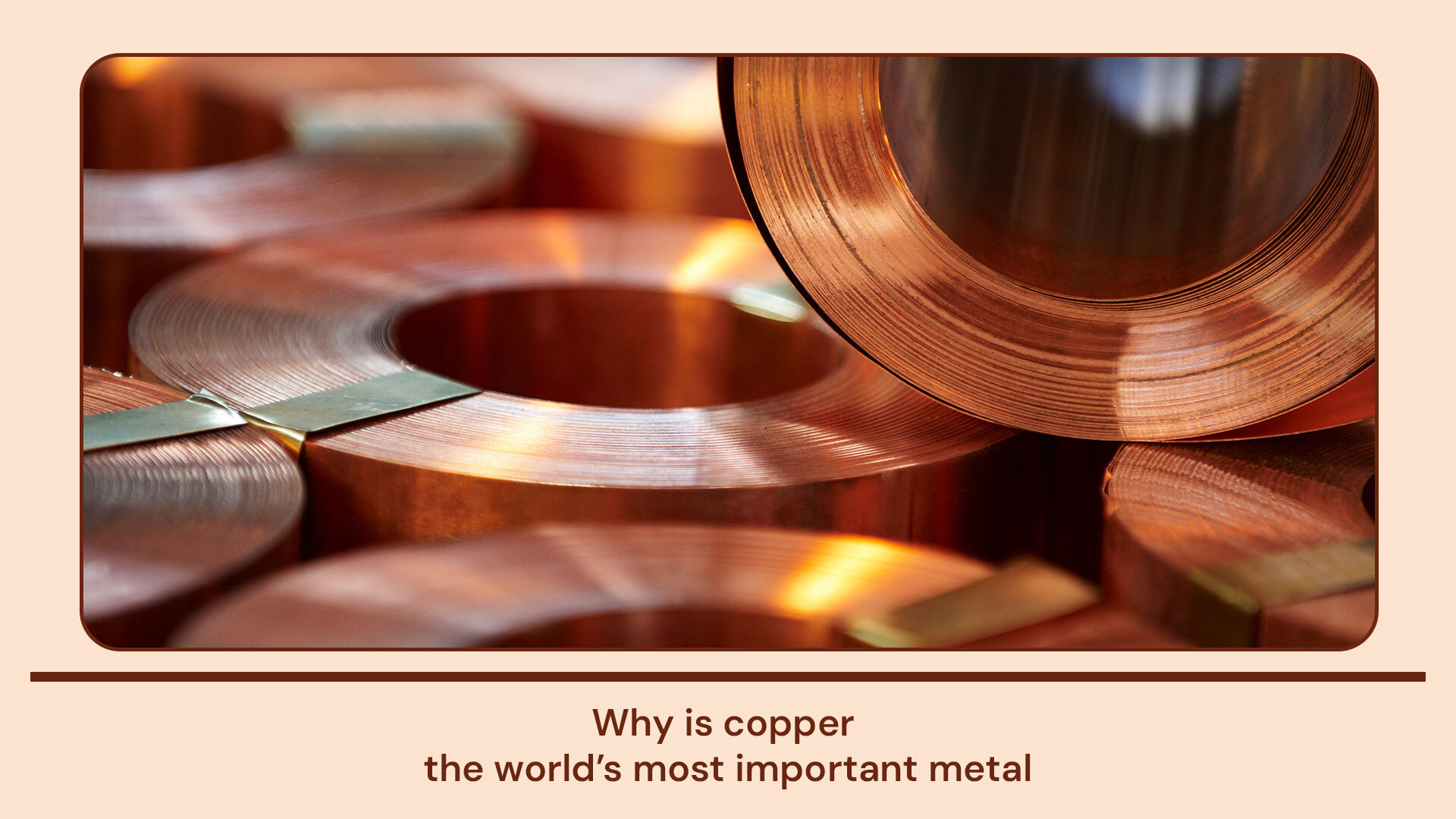
Why is copper the world’s most important...
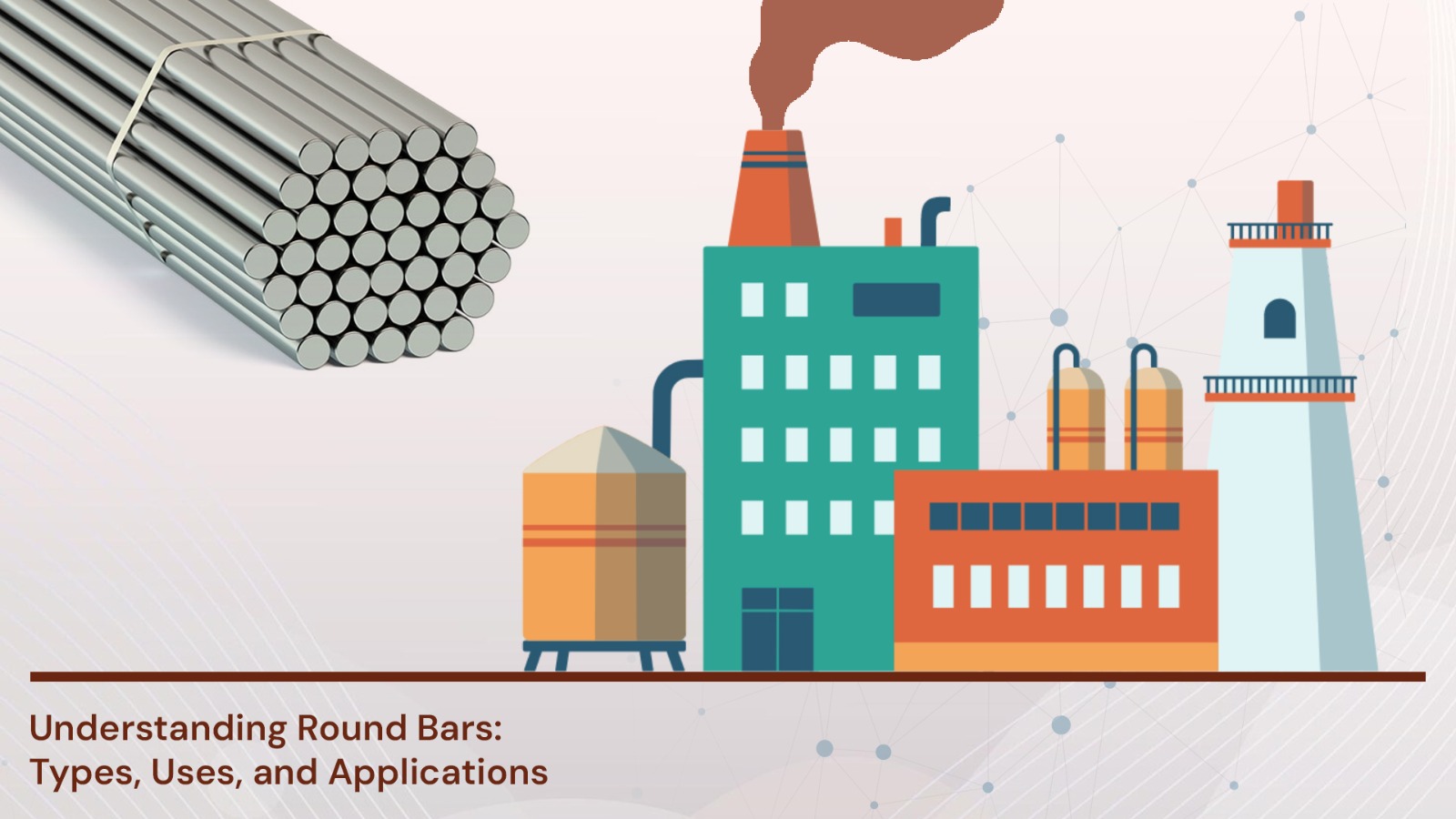
Understanding Round Bars: Types, Uses, a...

The Ultimate Guide to Zinc Ingots: Appli...
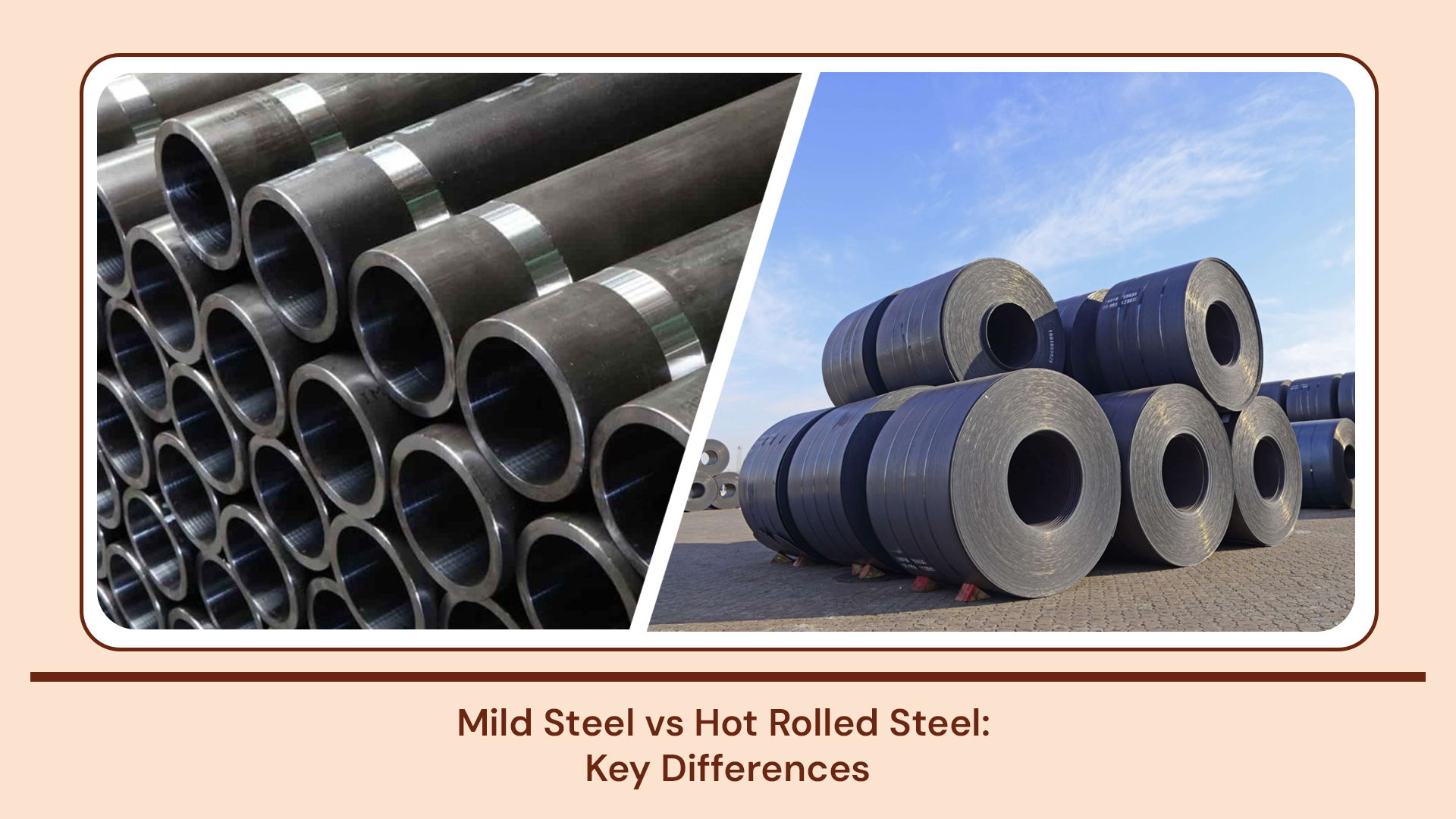
Mild Steel vs Hot Rolled Steel: Key Diff...

Copper Ingots: Uses, Benefits, and Appli...
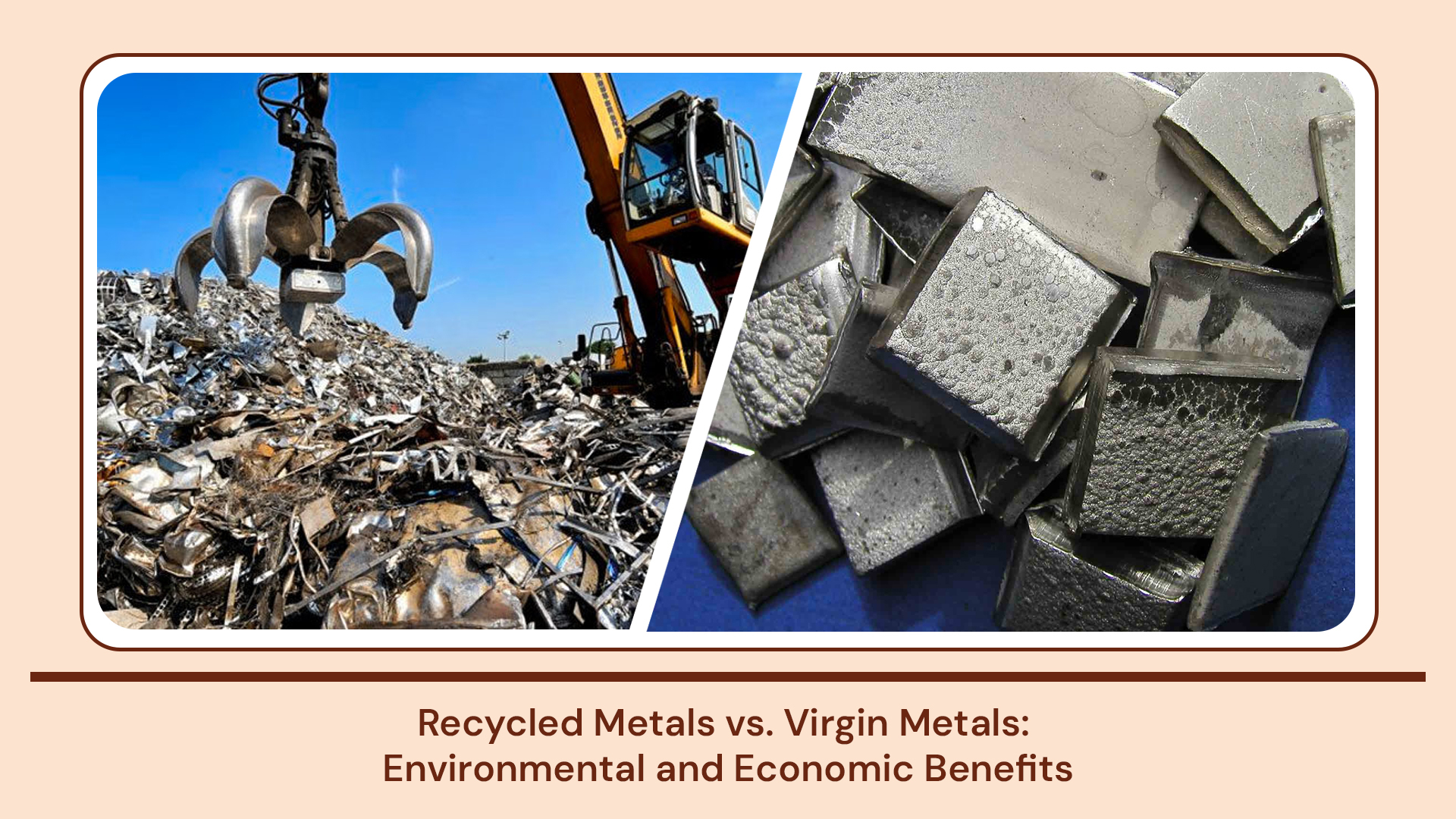
Recycled Metals vs. Virgin Metals: Envir...
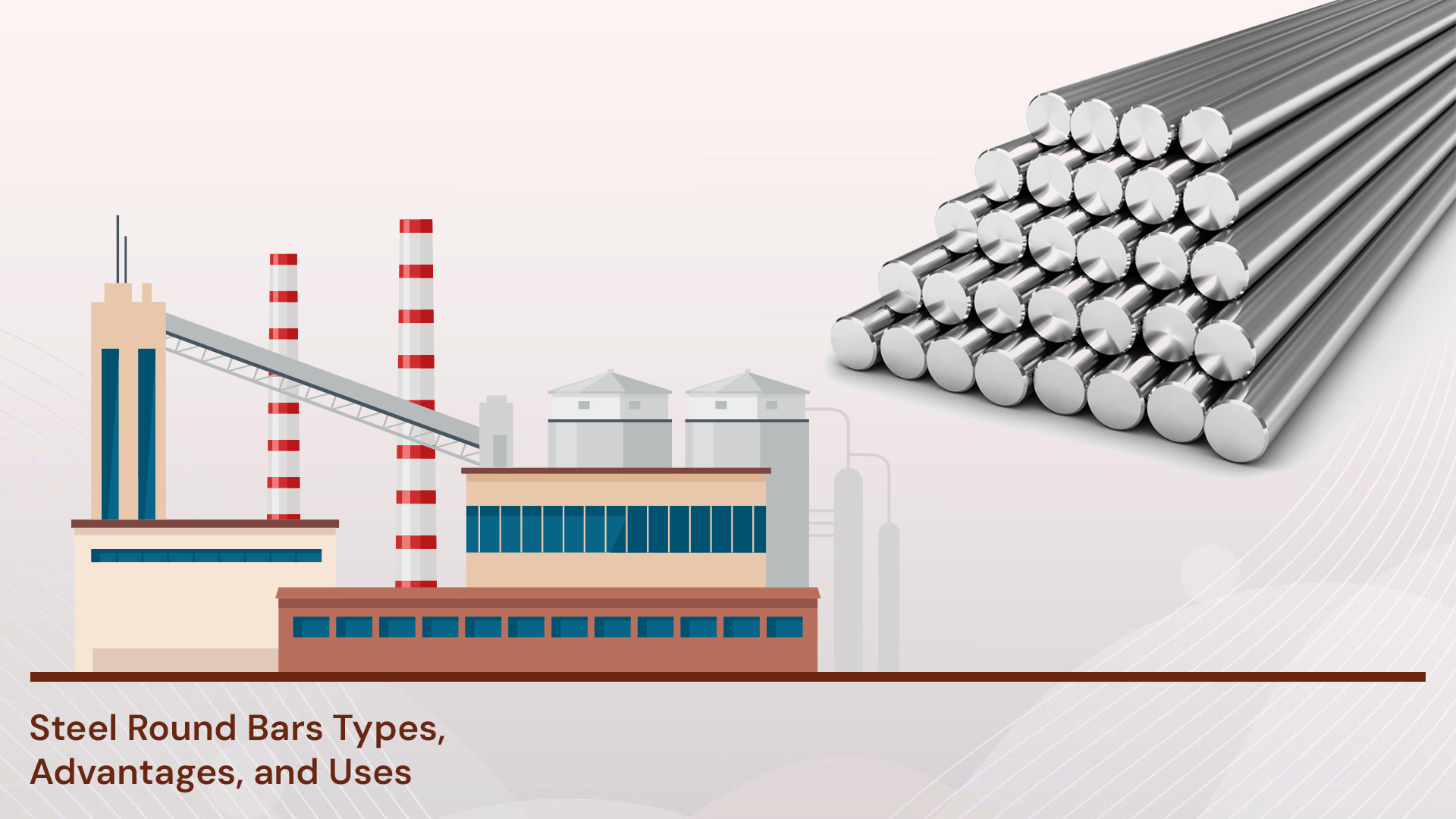
Steel Round Bars: Types, Advantages, and...
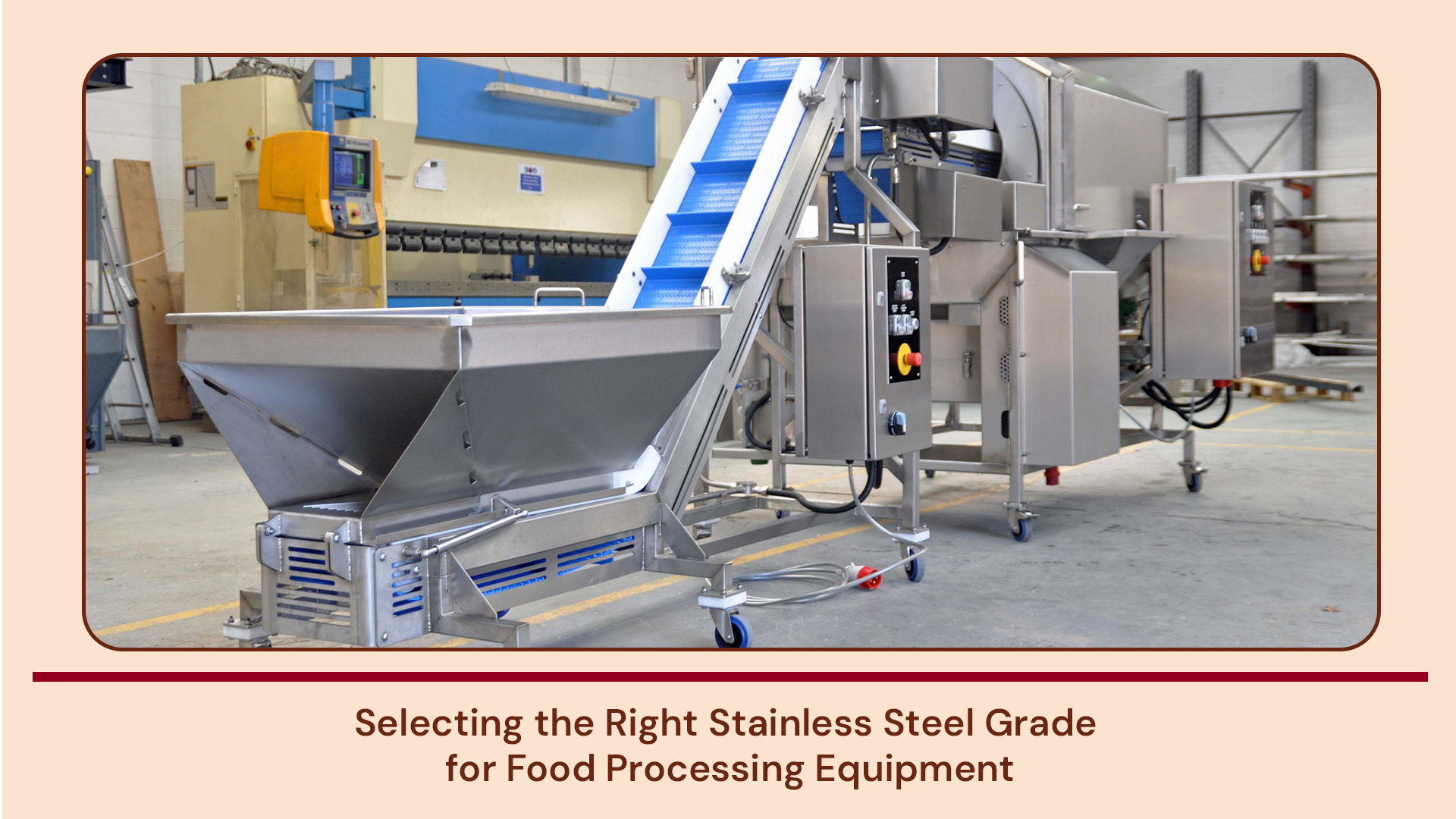
Selecting the Right Stainless Steel Gra...
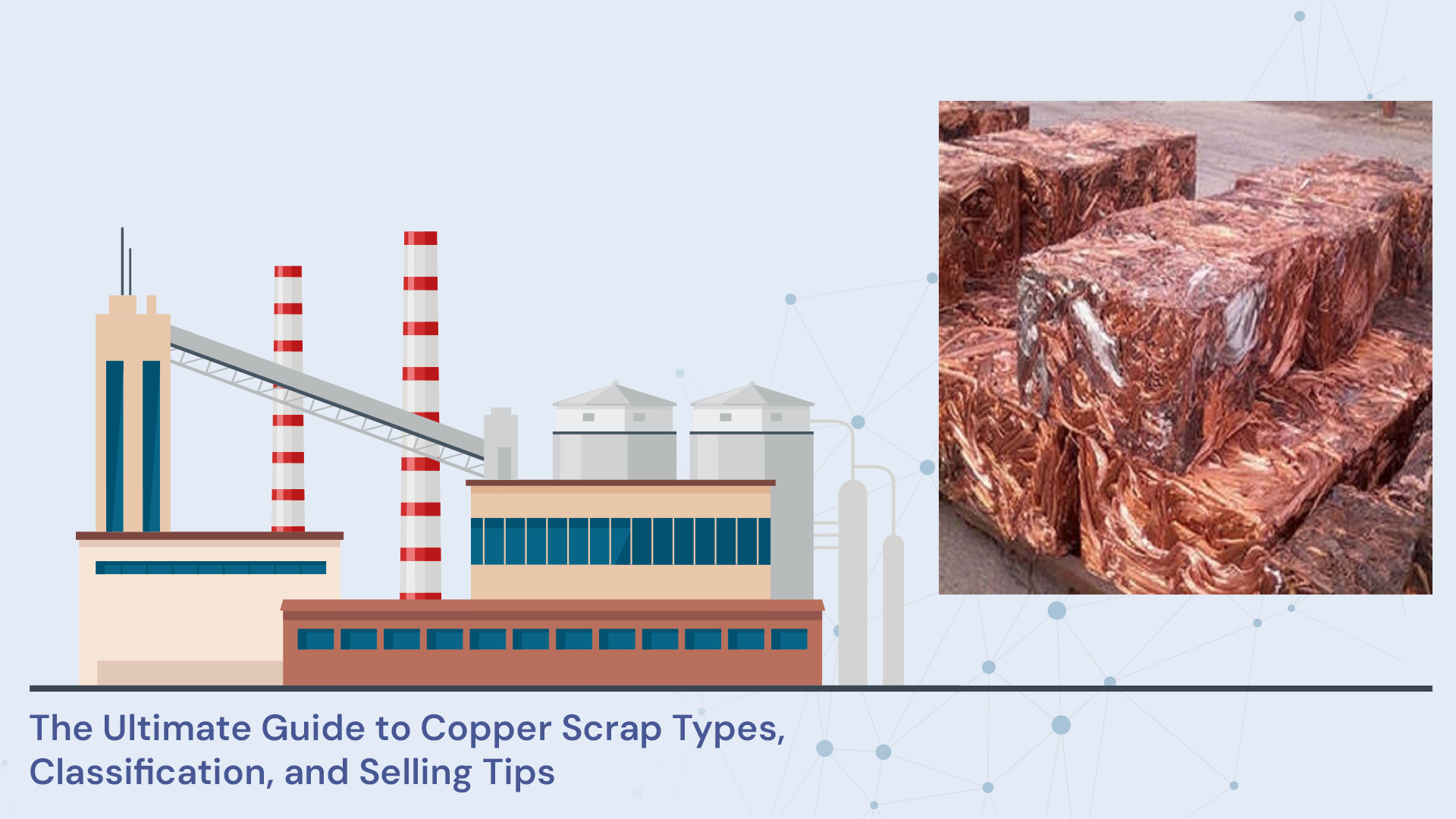
The Ultimate Guide to Copper Scrap: Typ...
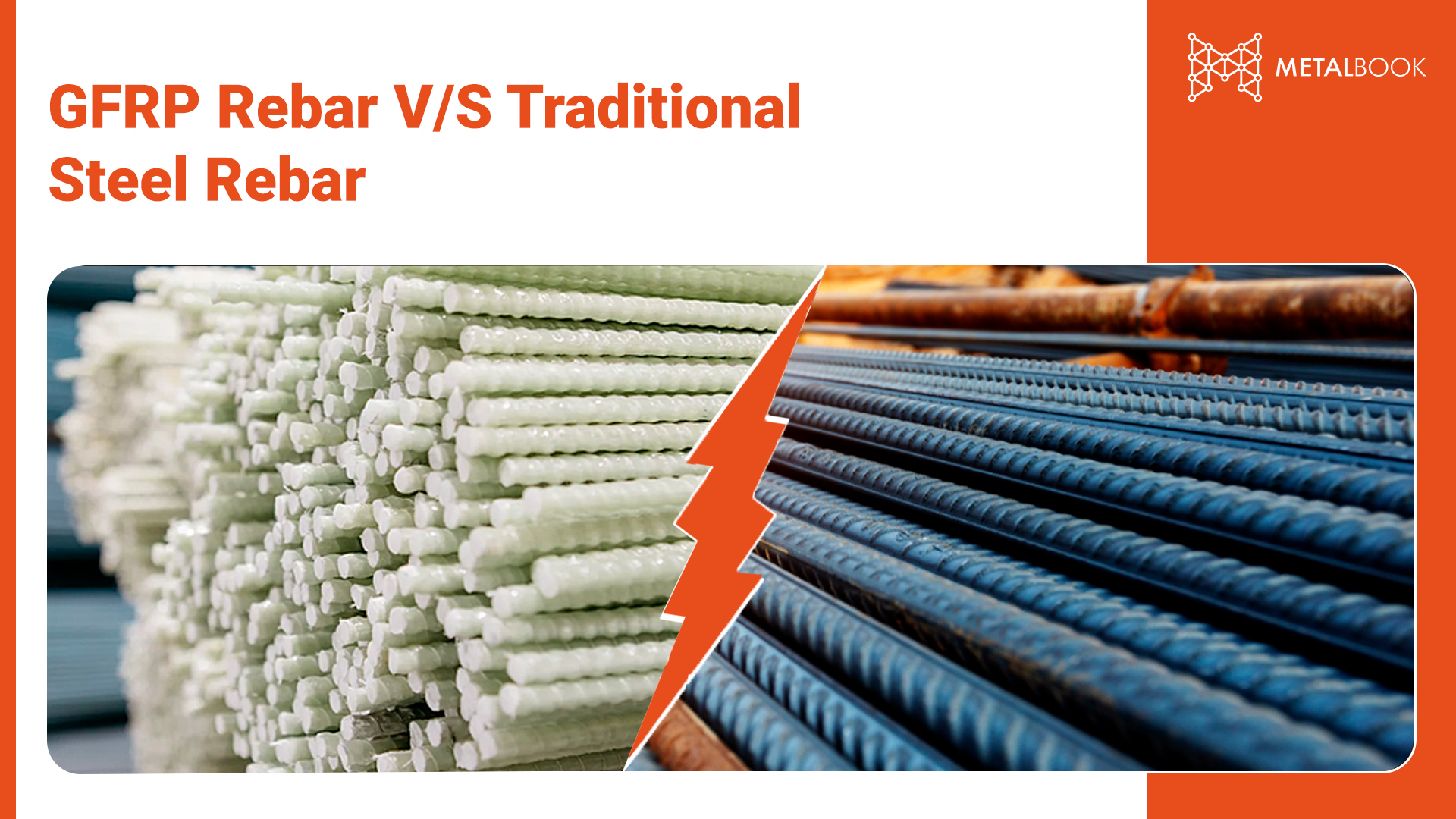
GFRP Rebar V/S Traditional Steel Rebar
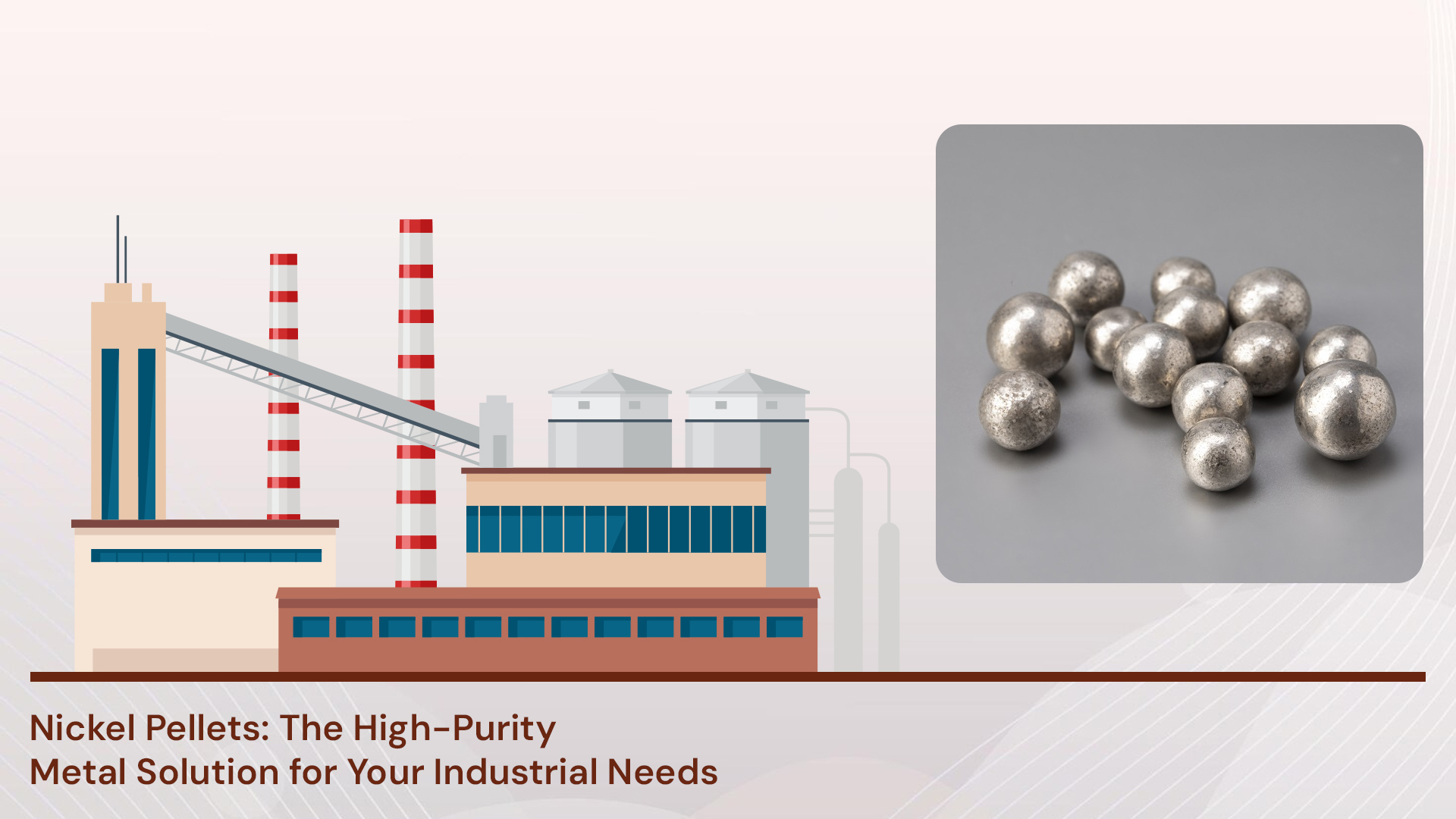
Nickel Pellets: The High-Purity Metal So...
Critical Minerals Glossary: 40 Terms Eve...

Cheap Steel Imports vs. Make in India: C...
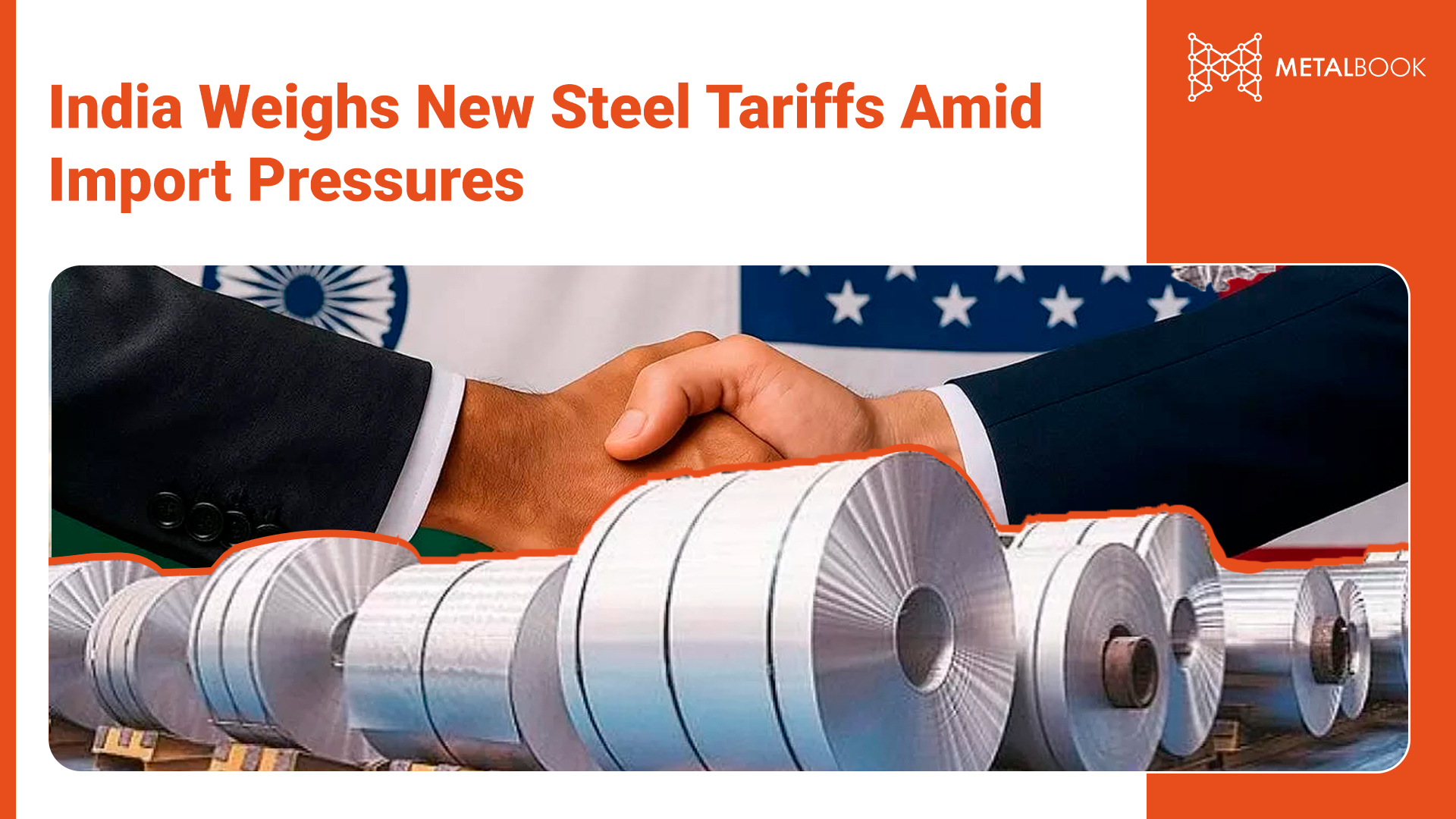
India Weighs New Steel Tariffs Amid Impo...
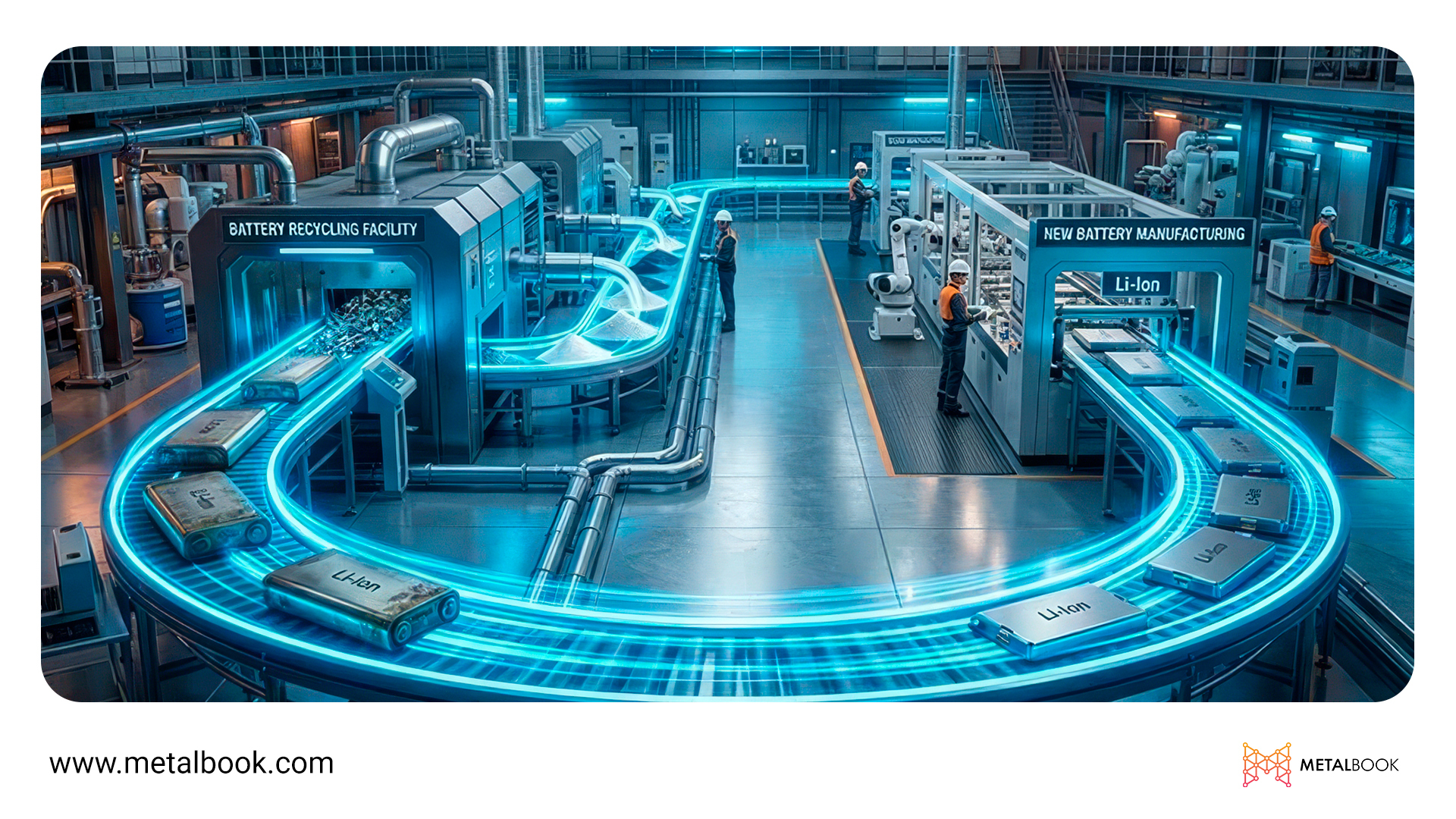
Black Mass to Battery-Grade: The Lithium...
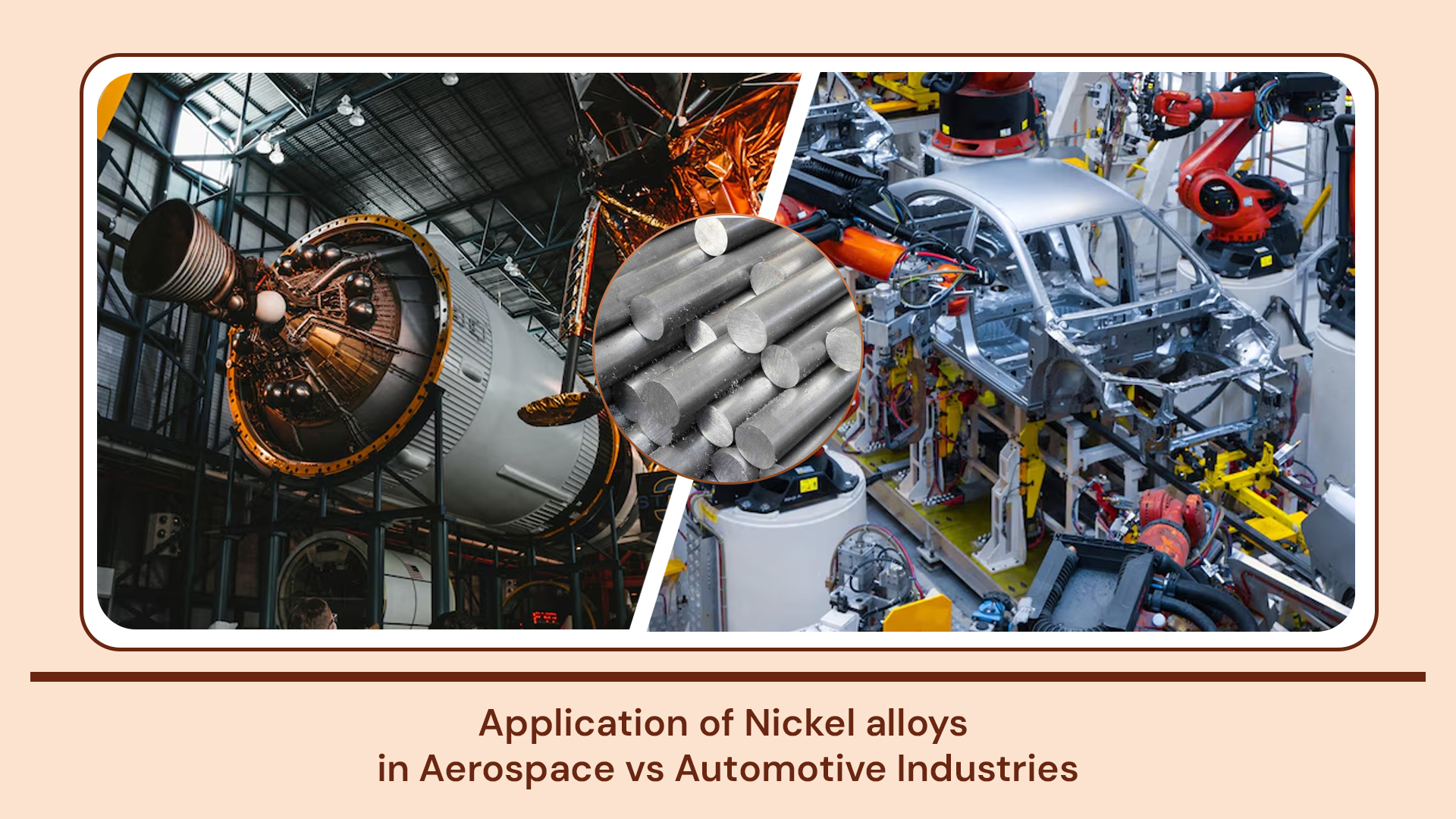
Application of Nickel alloys in Aerospac...
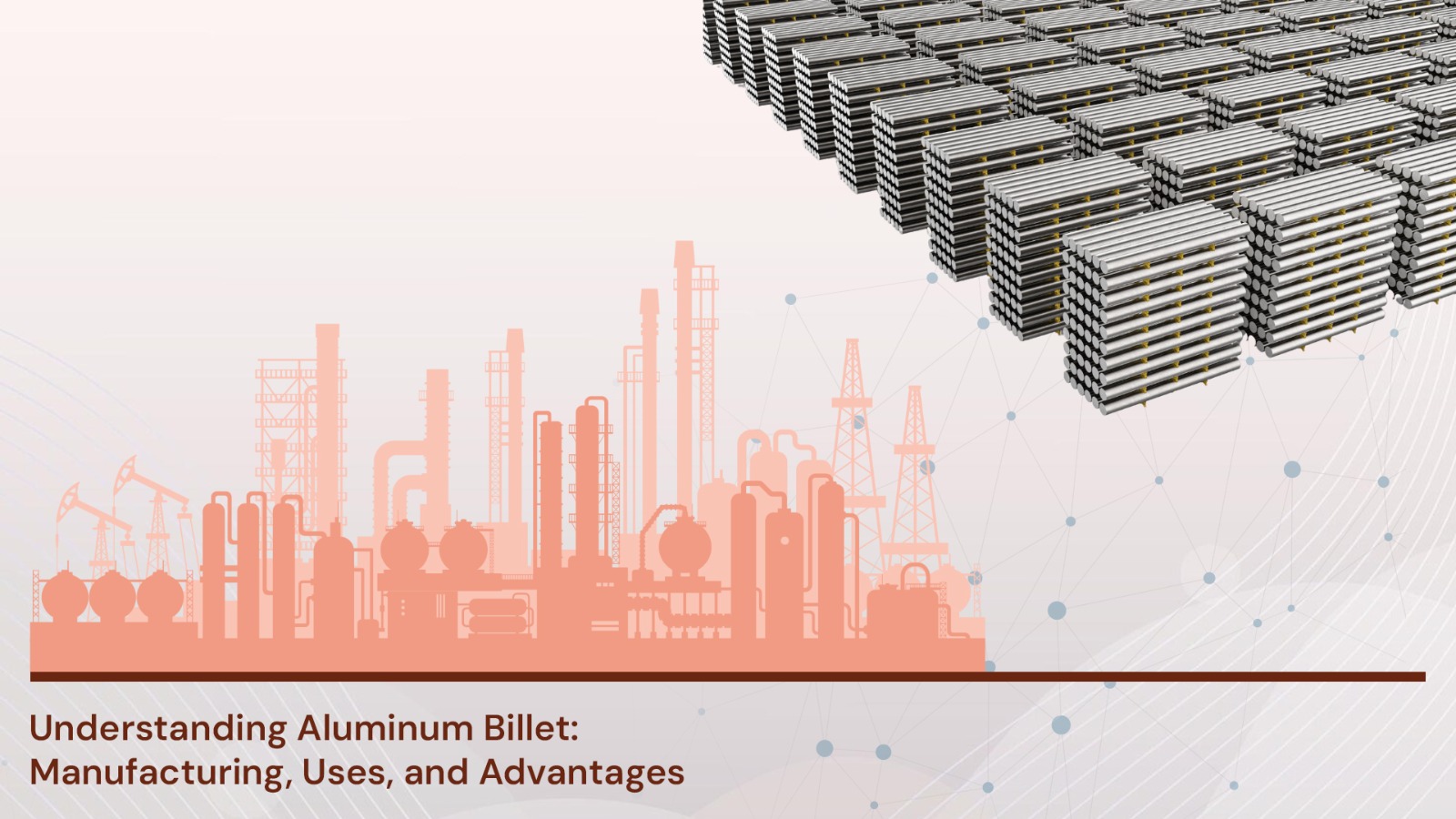
Understanding Aluminum Billet: Manufactu...
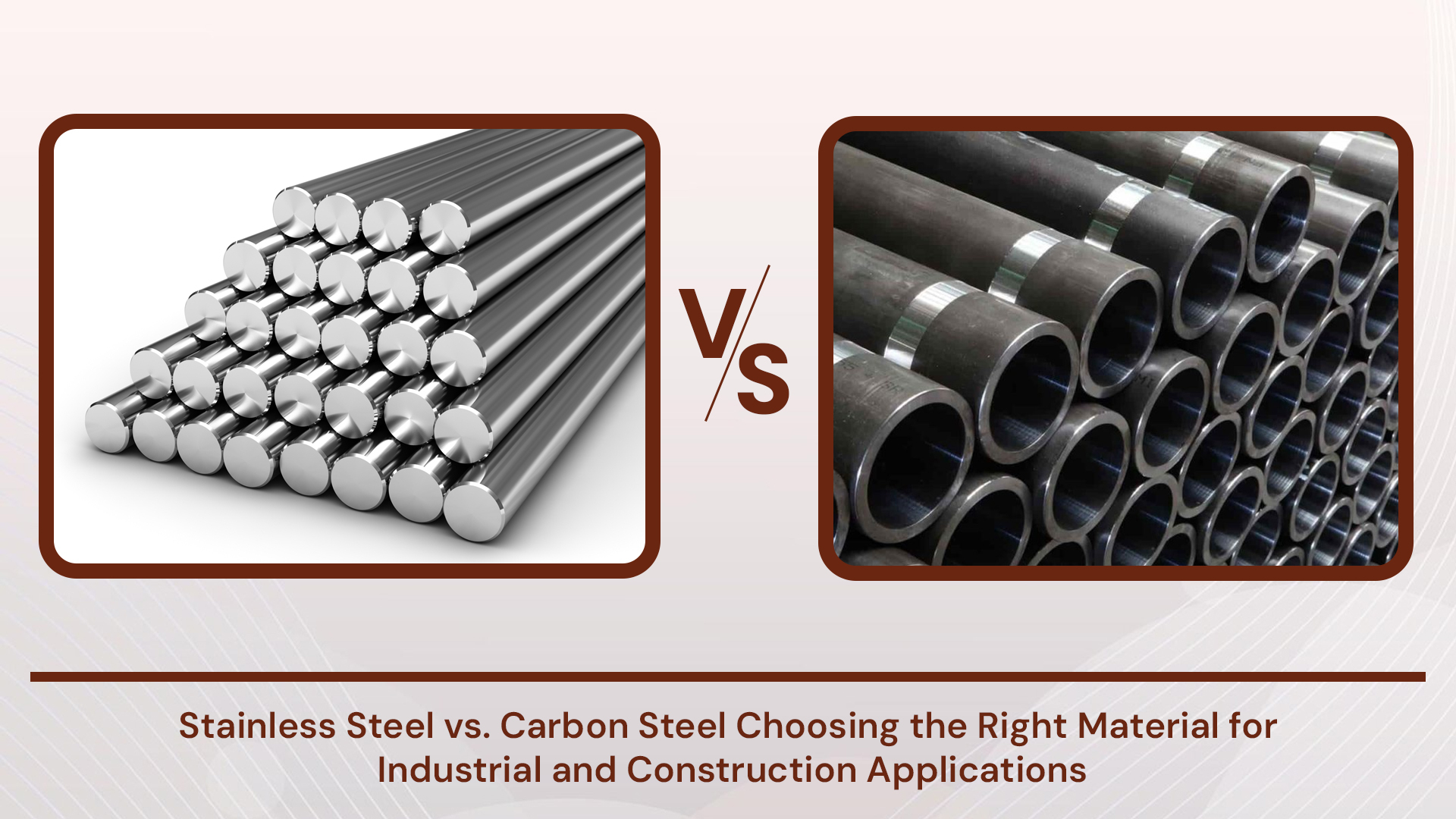
Stainless Steel vs. Carbon Steel: Choosi...
Why Critical Minerals Have Become Strate...

Renewable Energy Built on Steel: Solar P...

India’s Evolving Aerospace & Defence Sup...

Impact of India-EU FTA on Indian Steel E...
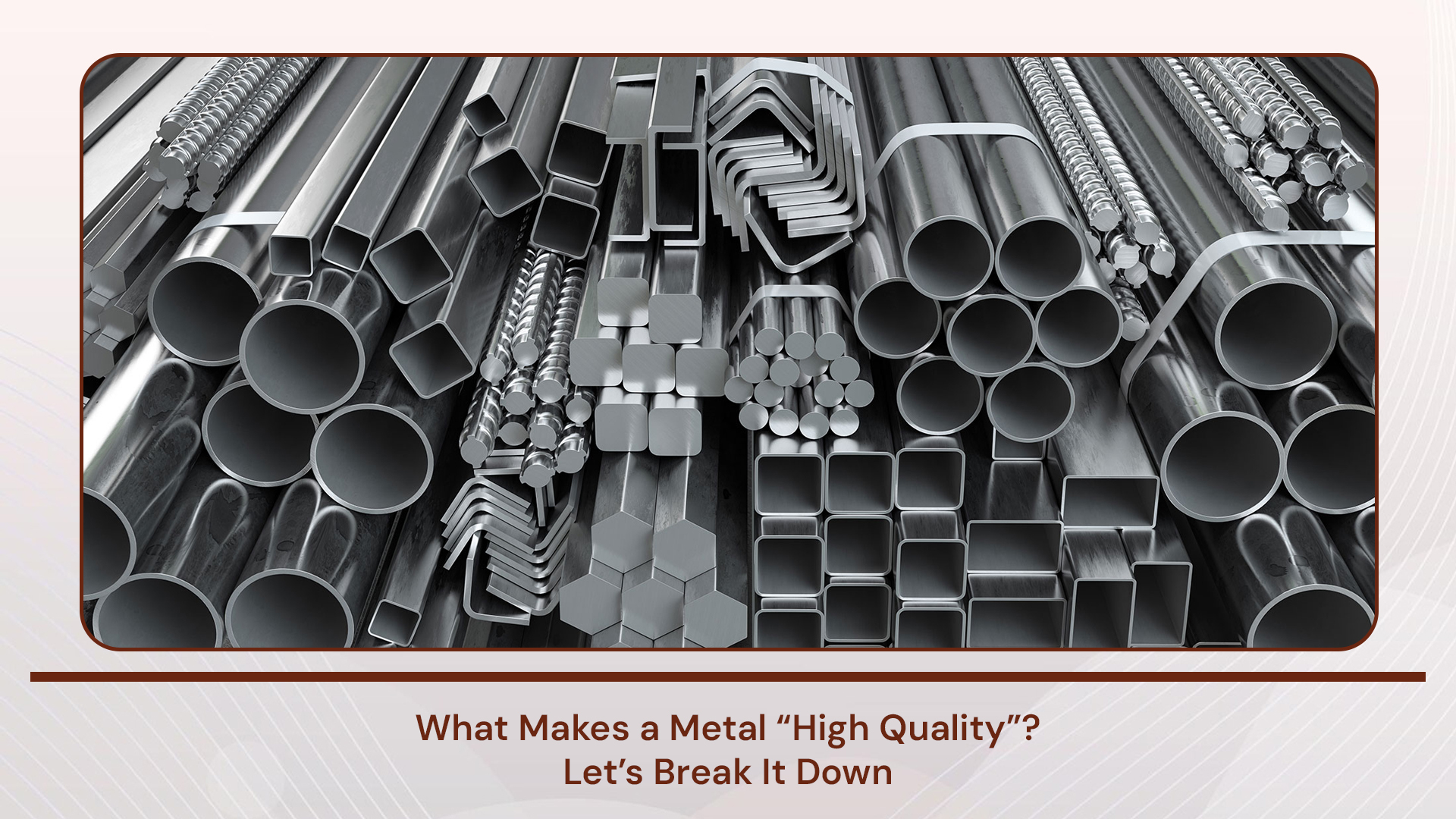
What Makes a Metal “High Quality”? Let’s...

How Steel Is Shaping India’s Smart Citie...
Steel Ministry Signs ₹11,887 Crore MoUs ...
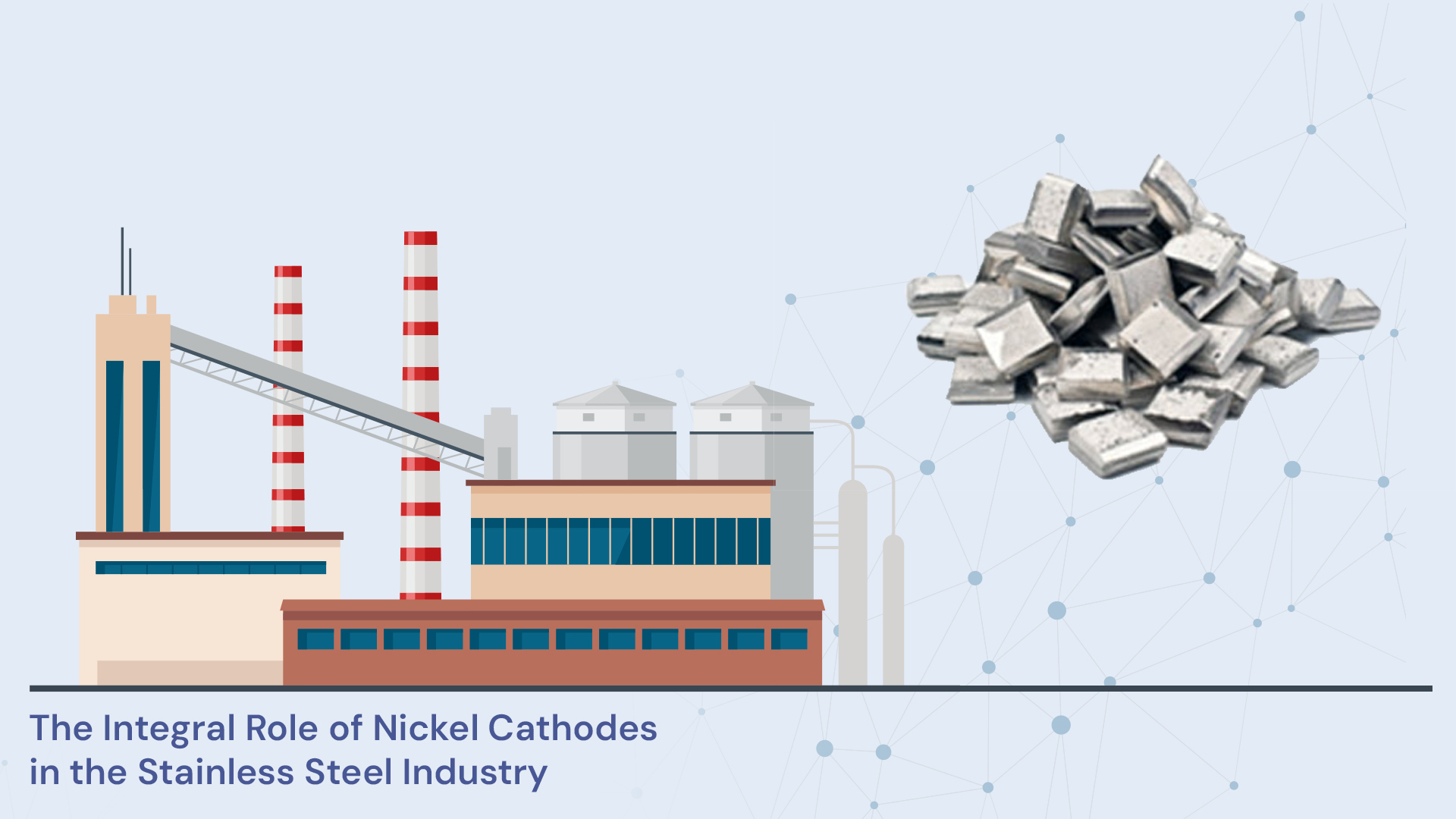
The Integral Role of Nickel Cathodes in ...

Invoice Financing Explored: How Fabricat...
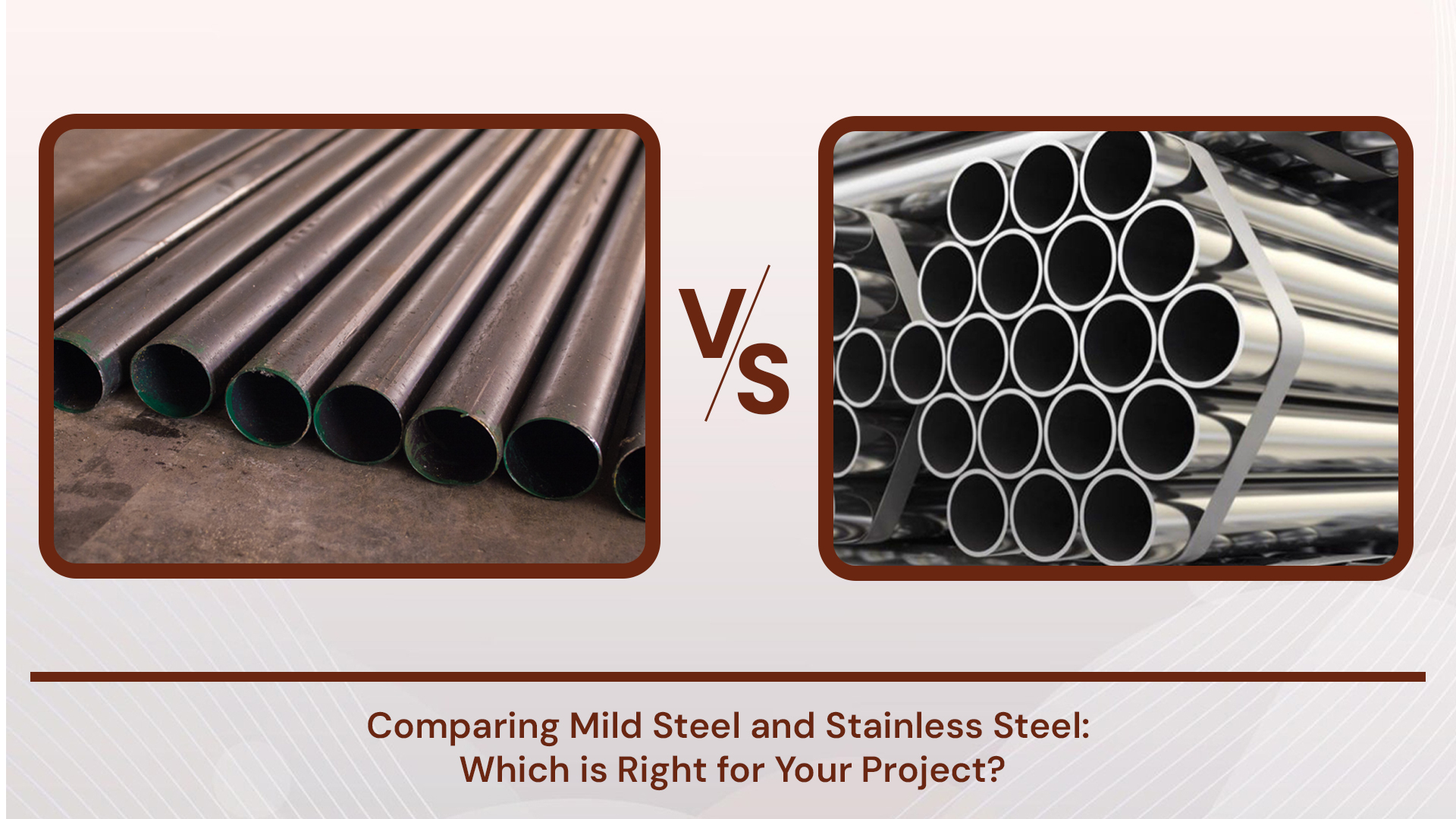
Comparing Mild Steel and Stainless Steel...
India’s Steel Industry: From Expansion t...
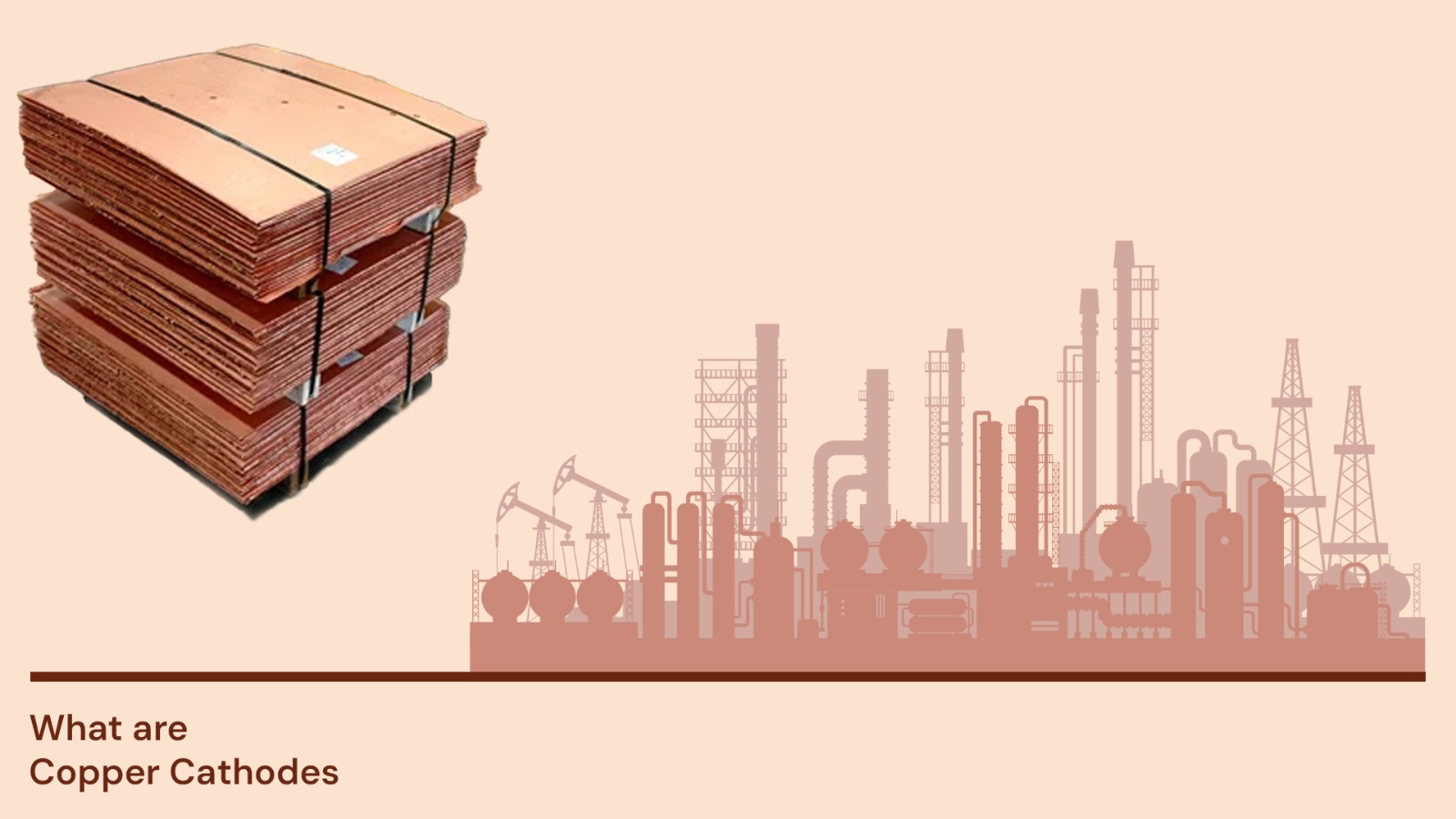
What are Copper Cathodes?
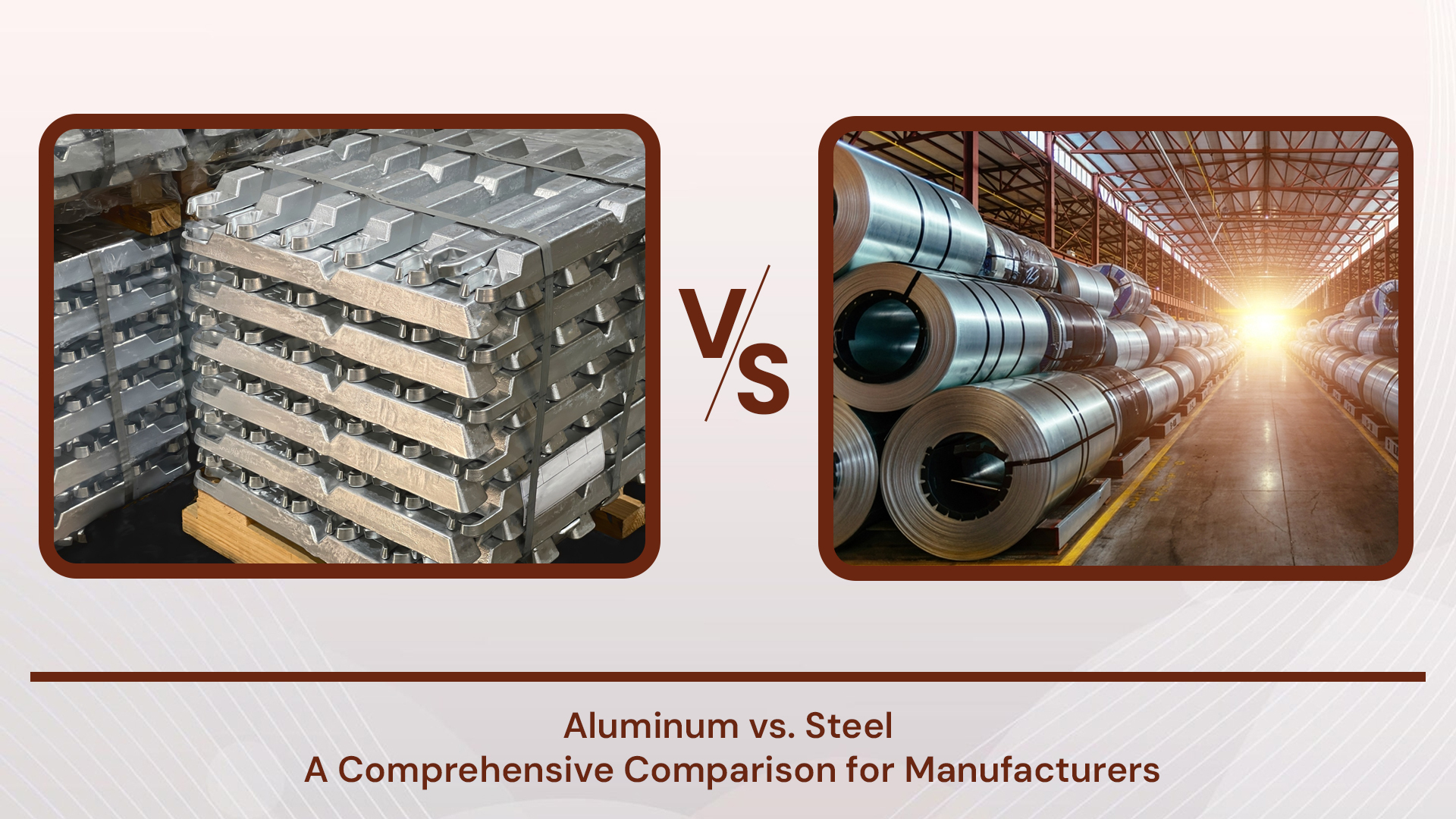
Aluminum vs. Steel: A Comprehensive Comp...