The Rise of Digital Financing Platforms in the B2B Manufacturing Space
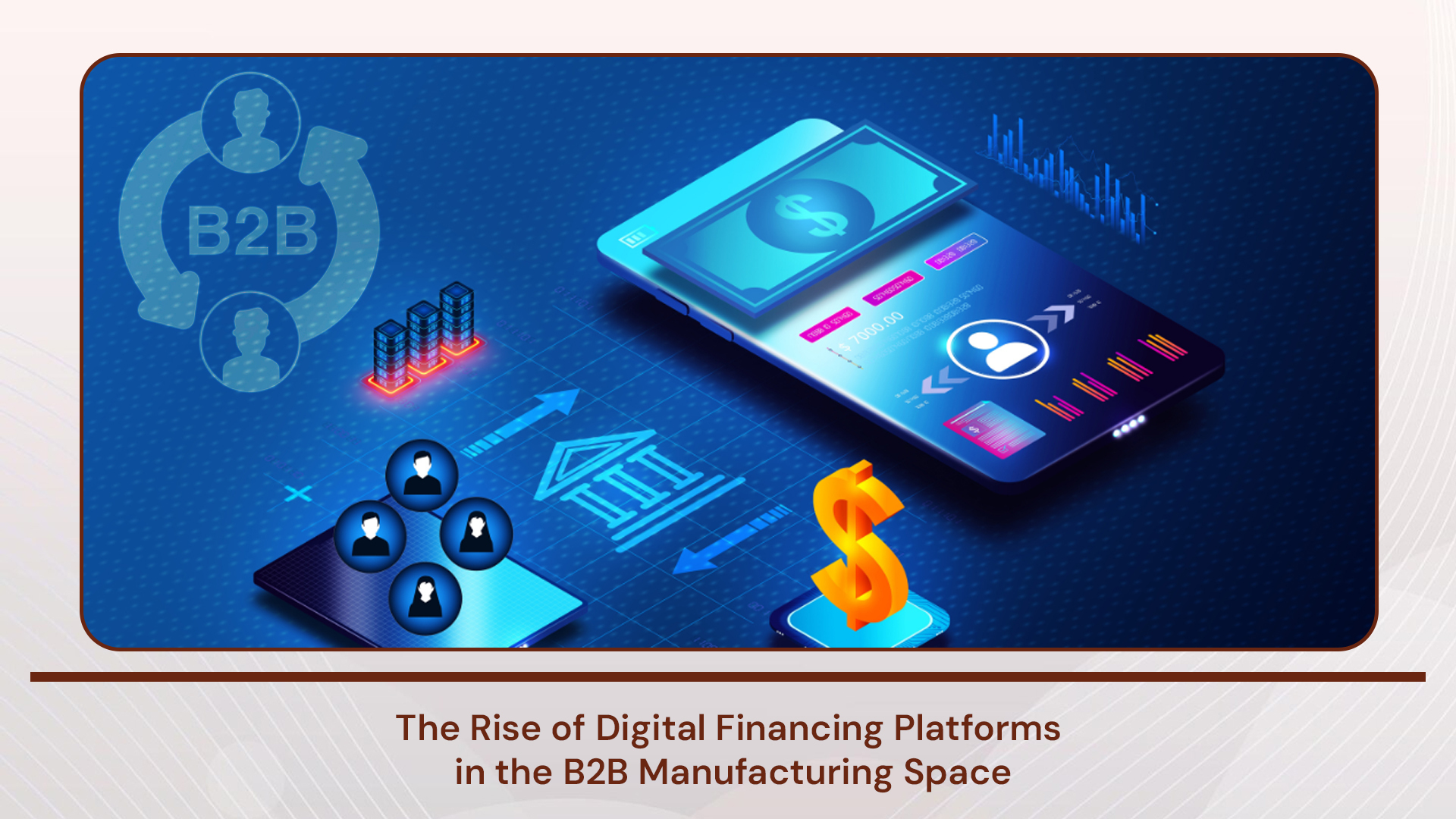
Manufacturing businesses have always operated on tight margins and even tighter cash flows. The days of waiting weeks for bank loan approvals or juggling multiple payment terms across suppliers are quickly fading. In their place, a new generation of digital financing platforms is reshaping how B2B manufacturing companies manage money, fund operations, and grow their businesses.
These platforms are not just another fintech trend. They represent a fundamental shift in how manufacturers access capital, process payments, and maintain healthy cash flows. For companies in metalworking, industrial equipment, and specialized manufacturing, understanding this transformation is no longer optional.
What Are Digital Financing Platforms for B2B Manufacturing?
Digital financing platforms are online systems that connect manufacturers with funding sources, streamline payment processes, and automate financial workflows. Unlike traditional banks that require mountains of paperwork and weeks of waiting, these platforms use technology to make financing decisions in minutes, sometimes seconds.
These platforms embed financing directly into equipment sales processes, handling everything from application to approval to funding in an automated and streamlined manner. For a metal fabrication shop ordering new CNC machinery or a parts manufacturer needing working capital for a large order, this speed makes a real difference.
The technology behind these platforms includes artificial intelligence for credit assessment, cloud based systems for real-time processing, and API integrations that connect directly with existing business software. What once required a dedicated finance team can now happen automatically in the background.
Why Manufacturing Companies Are Making the Switch
A convincing narrative is unfolded by the digits. By the year 2030, the global B2B payments trajectory is going to reach a whopping $224 trillion plus, marking a substantial increase from $186 trillion in 2025. Much of the attention being drawn to this massive upsurge is from the manufacturing sector as these companies have eventually cracked the code by implementing the most apt solutions for their particular requirements.
The manufacturers have always had traditional financing as a major bottleneck. Processing times for bank loans are quite long. Credit lines are accompanied by strict conditions. Payment handling is difficult, slow, and costly. Nevertheless, the manufacturing industry gets to reap the benefits of the digital platforms solving the exact problems that matter in their operations.
Take, for example, cash flow which is the lifeline of any manufacturing company. When you have to wait for 60 or even 90 days before getting paid by a client, while your suppliers only allow you 30 days, it definitely creates a problem for you. During the first quarter of 2025, small businesses cited inflation as the most important financial challenge with 58% saying it was a big worry. Digital financing platforms then come to the rescue with invoice financing, supply chain financing, and flexible payment terms that prevent any stoppage in the operations and keep everything running smoothly.
Time is of the essence as well. In the manufacturing sector, the opportunities do not last long. An order worth a lot of money might necessitate the purchase of materials upfront. A new client might require immediate delivery which can't be satisfied without increasing the production capacity. Companies operating on digital platforms have the power to approve and release the money in a matter of hours while traditional lenders take weeks. Manufacturers are now able to claim the opportunities they would have otherwise ignored because of this ability to respond quickly to the market changes.
The Technology Driving the Change
At the core of each digital financing platform lies a powerful technology which is nothing short of a marvel and doing the heavy lifting that previously required a full staff. AI is employed to scrutinize the business data and make decisions on lending. Fraud is detected and risk is evaluated by the machine learning programs. The cloud infrastructure is capable of processing thousands of transactions at the same time.
This whole technology cycle translates into hard benefits for manufacturers. The time-consuming procedure of filling out loan applications is eliminated; instead, business owners simply connect their accounting software, and the platform takes care of the data gathering. Instant credit decisions are made based on real business performance and not merely on credit scores and collateral.
The global B2B digital payment market is in the forecast to see a rise in its value from $5.48 billion in 2025 to $13.03 billion by 2032, with invoice automation and real-time processing being the main drivers of the demand. This increase is a clear indication of the extent to which AI-enabled systems are changing the transaction management landscape with their cleverness in automation and fraud detection.
The ability to integrate is just as vital as the demand for modern financing. The latest financing platforms have formed a strong partnership with enterprise resource planning systems, customer relationship management software, and procurement platforms. In the case of a manufacturing company, this would imply that financing would come under the regular workflow, making it much less cumbersome and not a separate process altogether.
Types of Digital Financing Solutions for Manufacturers
Not all financing needs look the same in manufacturing, and digital platforms have evolved to offer specialized solutions for different scenarios.
Invoice Financing and Factoring remains one of the most popular options. When a manufacturer ships products but won't get paid for 60 days, they can sell those invoices to a financing platform and receive immediate cash. The platform collects payment from the customer when it comes due. This keeps working capital flowing without taking on debt.
Equipment Financing has also gone digital. Manufacturers need specialized machinery, and these purchases often run into hundreds of thousands or millions of dollars. Digital platforms now offer embedded financing that integrates directly into equipment purchases, with approvals happening during the buying process rather than as a separate application afterward.
Supply Chain Financing helps manufacturers optimize relationships with suppliers. These programs let manufacturers extend their payment terms while suppliers get paid early. A digital platform manages the entire process, improving cash flow for both parties.
Revenue Based Financing offers a newer approach where repayment amounts fluctuate based on monthly revenue. For manufacturers with seasonal business cycles, this flexibility prevents cash crunches during slower periods.
Buy Now Pay Later for B2B has emerged as a significant trend. B2B buy now pay later solutions are redefining business relationships and creating recurring revenues by embedding flexible payment options directly into procurement workflows. This lets manufacturers make purchases immediately while spreading payments over time.
Real Benefits for Manufacturing Operations
The theoretical advantages of digital financing platforms become concrete when you look at their impact on day to day manufacturing operations.
Improved Cash Flow Management sits at the top of the list. Manufacturing runs on predictable cash flows. When payments come in faster and financing becomes readily available, companies can plan better, invest more confidently, and weather economic uncertainty more effectively.
Reduced Administrative Burden frees up time and resources. Instead of spending days preparing loan applications or reconciling payment records, automated systems handle these tasks. Finance teams can focus on strategic decisions rather than paperwork.
Better Supplier Relationships develop when manufacturers can pay promptly or offer flexible terms. Digital platforms make it easier to negotiate favorable arrangements that benefit both parties. A fabrication shop that can pay suppliers in 15 days instead of 60 often secures better pricing and priority treatment.
Access to Growth Capital becomes simpler and faster. When a new contract requires ramping up production, digital platforms can provide working capital quickly enough to seize the opportunity. Traditional financing would likely arrive too late.
Lower Costs result from increased competition and efficiency. Digital platforms operate with lower overhead than traditional banks, and those savings often translate to better rates for borrowers. Automated processing also reduces fees and eliminates many hidden costs.
Challenges and Considerations
The shift to digital financing platforms, which offer clear advantages, still presents a challenge with some factors that manufacturing firms must be aware of.
The complexity of integration could create some initial obstacles. The connecting of new platforms to existing accounting systems, enterprise software, and workflows can be demanding and may even require technical assistance. Generally, the long term advantages of this will surpass the initial struggle, but it is advisable for firms to set aside the time and resources needed for this task.
The issue of data security should be very important and taken into account. The use of digital platforms involves granting access to the manufacturers’ sensitive financial information. Before using any platform, the manufacturers must ensure that it has strict security measures in place, that it monitors compliance with applicable regulations, and that it has a data privacy policy that is understandable and accessible.
There is a big difference in cost structure among the various platforms. Some of them charge fees for each transaction, some take a percentage of the financed amounts, while others use the interest-based model. Therefore, manufacturing firms need to be fully aware of the total cost of financing, including all components, and compare it with that of traditional and other platforms.
The process of vendor selection is a lot like doing a thorough examination. Not all digital financing platforms offer the same quality of service to the manufacturing sector. Some of them only cater to certain industries or types of transactions. Therefore, companies should assess the platforms in terms of their specific needs, the provider’s area of expertise, and their past performance.
The Future of Manufacturing Finance
The evolution of digital financing platforms shows no signs of slowing. Several trends are shaping what comes next for manufacturing finance.
Embedded Finance continues to deepen. Research indicates that 63% of U.S. B2B service providers currently offer some type of embedded finance solution to business clients. For manufacturers, this means financing will increasingly become invisible, happening automatically as part of purchasing, selling, and operating rather than as standalone transactions.
Artificial Intelligence will play an even larger role in credit decisions, fraud prevention, and financial forecasting. Platforms are developing predictive capabilities that can alert manufacturers to potential cash flow issues before they occur and suggest optimal financing strategies based on business patterns.
Blockchain and Distributed Ledger Technology may transform supply chain financing and cross border payments. These technologies promise greater transparency, reduced fraud, and faster settlement times for international manufacturing operations.
Regulatory Evolution will shape the industry as governments work to balance innovation with consumer protection. Manufacturers should stay informed about regulatory changes that might affect their financing options.
Sustainability Linked Financing is emerging as an important category. Platforms are beginning to offer preferential terms for manufacturers that meet environmental standards or invest in sustainable practices. This trend aligns financial incentives with broader environmental goals.
Making the Move to Digital Financing
For manufacturing companies considering digital financing platforms, a thoughtful approach yields the best results.
Start by assessing your specific financing needs. Do you primarily need help with cash flow gaps between receivables and payables? Are you looking for equipment financing? Do you want to improve supplier relationships through flexible payment options? Understanding your priorities helps narrow the platform options.
Research available platforms thoroughly. Look for providers with experience in manufacturing, strong security credentials, and transparent pricing. Read reviews from other manufacturers and ask for references.
Start small before going all in. Many platforms allow you to test their services with a single transaction or small credit line. This lets you evaluate the platform's performance, customer service, and fit with your operations before making larger commitments.
Plan for integration carefully. Work with your IT team or the platform's technical support to ensure smooth connections with existing systems. Good integration prevents data silos and maximizes the platform's value.
Train your team on new processes. Digital platforms change how finance, procurement, and operations interact. Make sure everyone understands new workflows and knows how to use new tools effectively.
The Bottom Line
Digital financing platforms represent more than a new way to access capital. They signify a fundamental reimagining of how manufacturing companies manage money, process transactions, and fuel growth. The combination of speed, flexibility, and automation addresses pain points that have plagued manufacturers for decades.
Official projections show B2B ecommerce set to reach $36 trillion by 2026, with heavy industries such as advanced manufacturing driving the majority of digital sales. As this digital transformation accelerates, manufacturers who adopt appropriate financing technologies position themselves for competitive advantage.
The platforms available today offer capabilities that would have seemed impossible just a few years ago. Instant credit decisions, automated invoice processing, integrated equipment financing, and flexible payment terms are now standard features rather than premium services.
For metalworking companies, fabrication shops, parts manufacturers, and industrial equipment suppliers, the question is not whether to engage with digital financing platforms but which ones best serve their specific needs. The manufacturing landscape is evolving rapidly, and access to modern financial tools increasingly separates thriving companies from struggling ones.
The rise of digital financing platforms in B2B manufacturing is not just changing how companies access money. It is changing what becomes possible when capital flows freely, decisions happen quickly, and technology handles the heavy lifting. Manufacturers who recognize this shift and act accordingly will find themselves better equipped to navigate uncertainty, seize opportunities, and build sustainable growth.