Indian IF Steel Market Shows Mixed Trends in Early December
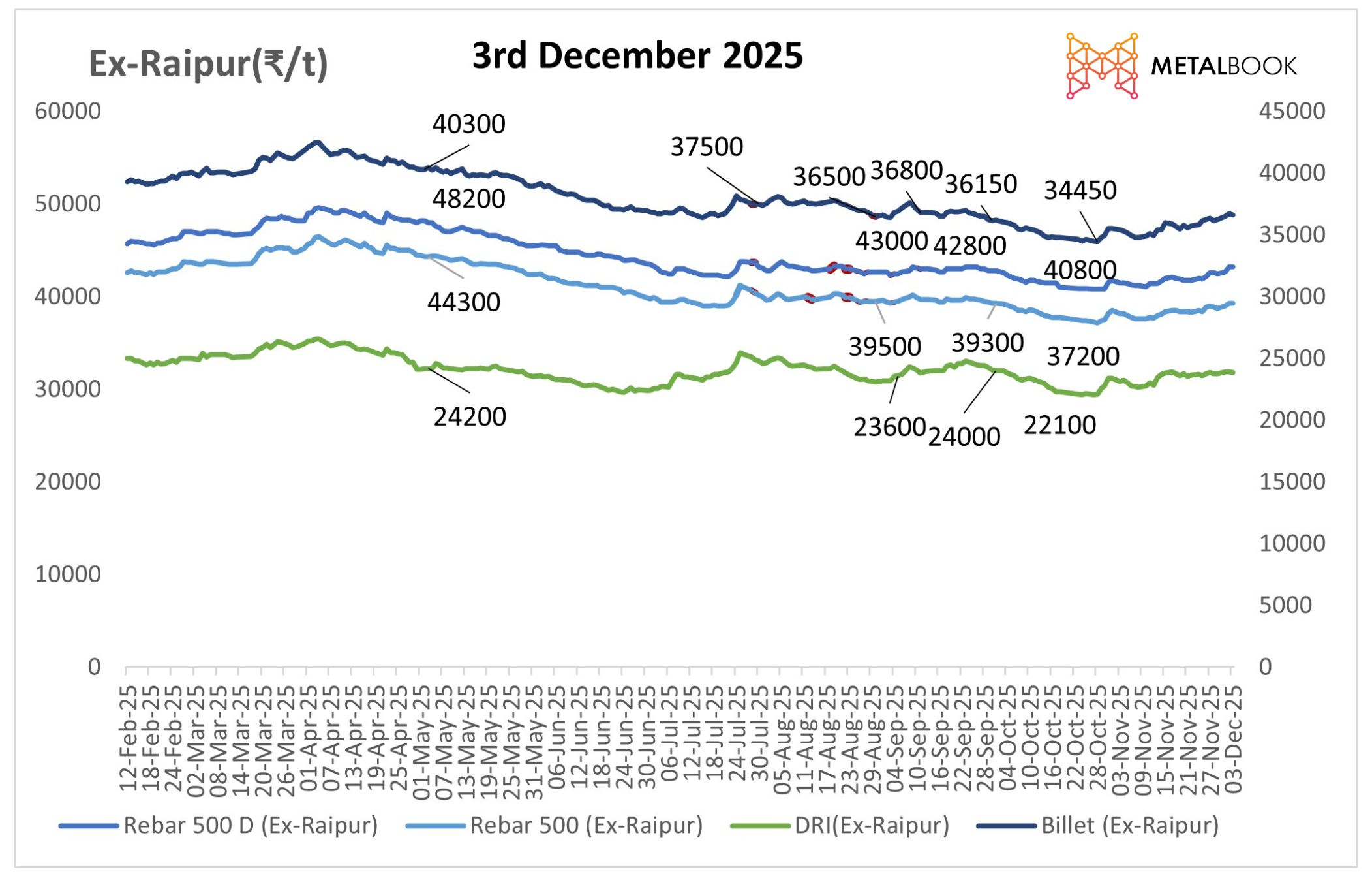
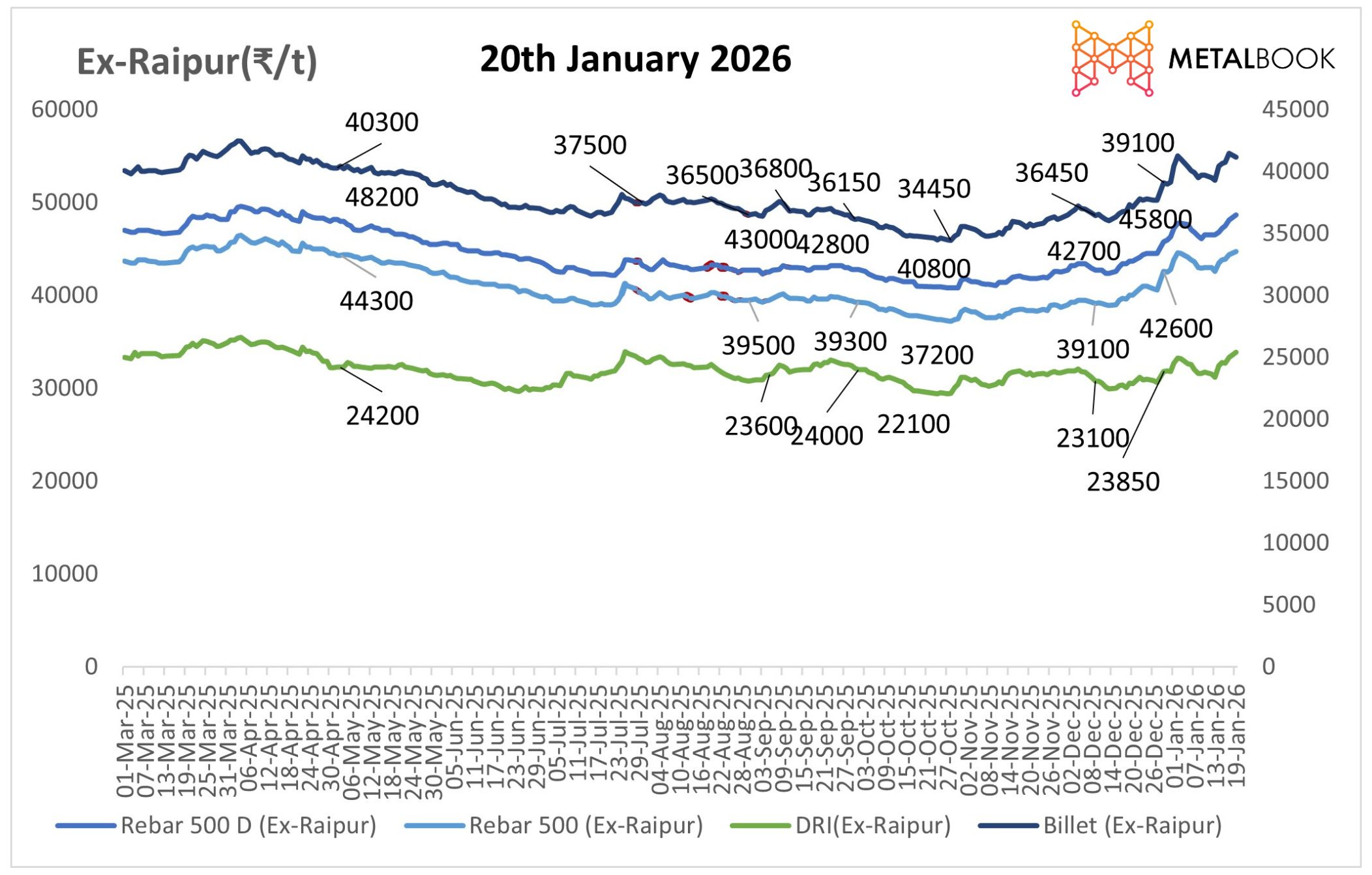
In early December, the Indian IF steel market appears to be experiencing a change in momentum as the market saw a broad and strong movement up across all products, including sponge iron, billets and rebar. There was an increase in both prices and activity with increased volume of trade and new bookings, which provided added liquidity for traders and enabled them to reduce their inventory. As mills had increased confidence in their supply side operations, as a result of, they were able to comfortably raise their offers in the major markets. This building up of confidence and inventory levels also resulted in an improvement in the trading volumes through the rest of the month, but in most areas, this building of confidence and volume also resulted in a decrease in demand and volume of business being done. In many of the major markets, buyers were able to find that they were able to purchase a large amount of material before this point, and as a result, have focused their purchasing on only those items which they truly need at this time. As such, the movement in prices in the different markets has become uneven, as in the Ahmedabad and Mandi markets, both the prices of billet products have fluctuated downward, while the price of billet products in other major markets, such as Jalna and Mumbai, have continued to increase.
Comparing the daily price movements of sponge iron over this period shows that they remained fairly even, with very little movement up or down, indicating the stability of the raw materials. Billet price movements during the first two weeks of the month had the largest range, with prices increasing in all markets during the first week of the month and then moving up and down in subsequent weeks based on local market conditions. While the price of rebar continued to be strong, indicating that construction was continuing to utilise steel at a relatively steady pace, the prices in Ahmedabad, Raipur, and Mumbai were all indicative of the continued use of rebar. The increase in the Raipur conversion spread is an indication of the strength of the market, as this spread increased due to stronger billet profitability.
Price behaviour in early December was largely influenced by an oversupply rather than by excess downstream demand. Sellers entered the market with strong booking positions, which allowed them to maintain their offers despite weaker spot buying. Demand was initially active but fell into selectivity, as buyers became hesitant to continue to purchase because they anticipated additional price increases. Therefore, a little fluctuation in demand from being patchy took place across different commodities, but especially on billets, which will fluctuate more than any other commodity if there are immediate market fluctuations. The price action of sponge iron has created stability in the cost basis when looking at finished steel prices; therefore, the price of finished steel will not decline significantly at this time. Continued solid rebar sales demonstrate that some areas of the construction market continue to have strong demand and are helping to stabilise the overall pricing constructs of the market, even with reduced shipping levels of billets.
Outlook:
While the market is generally considered to have had an upward trend since early December, it is expected that this will be maintained until further buyer developments take place. Currently, most sellers have healthy order books with minimal inventory concerns, but as buy interest continues to decrease, it may move into a more balanced state with less volatility regarding pricing. Overall, sponge iron costs continue to be stable, and as the profitability of billets has improved, there is a generally favourable sentiment, yet the continued strength of that will depend upon the strength of downstream demand in the next few days of trading.