Fundamentals of the Construction Industry in India
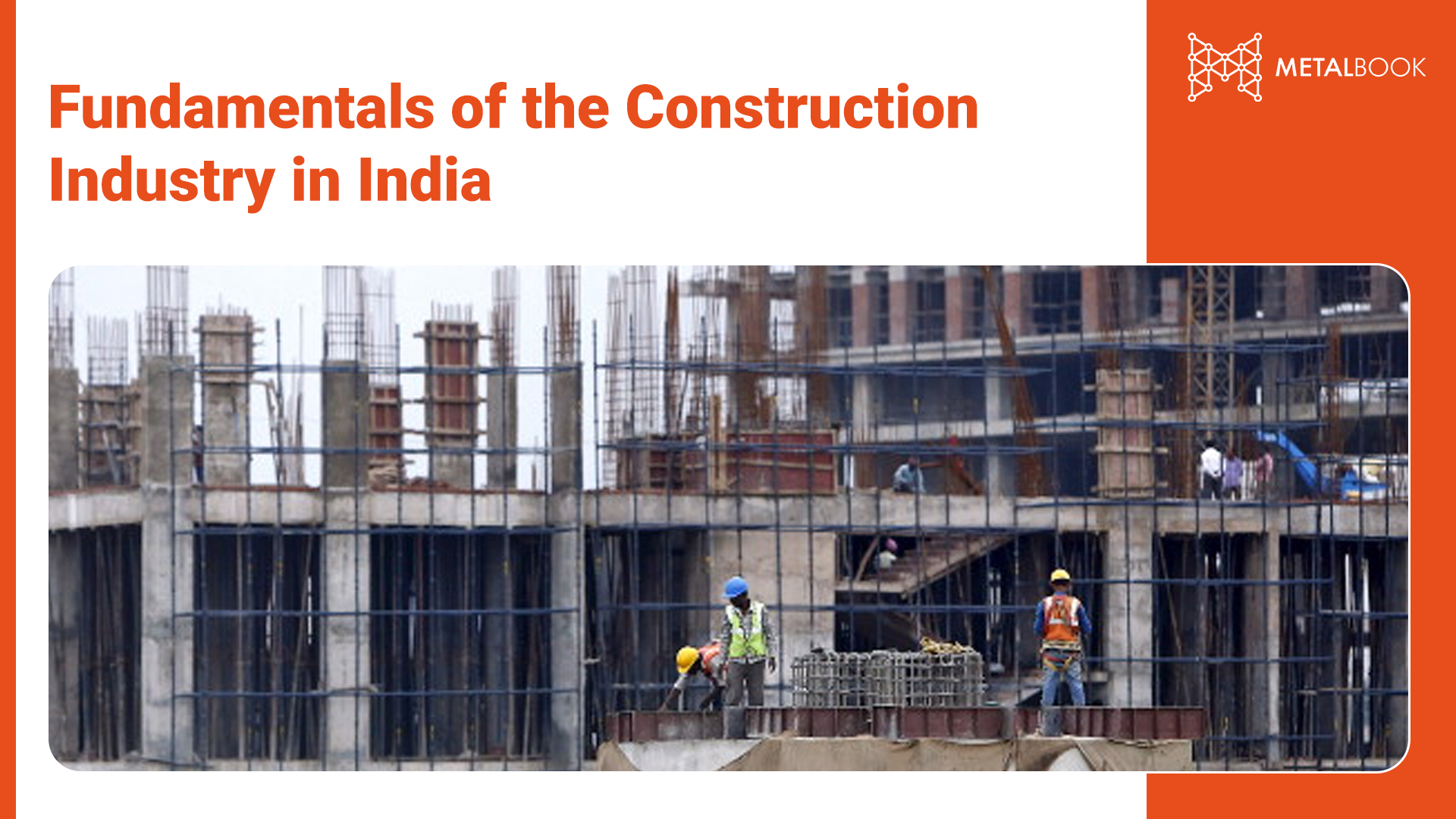
Building construction is an affordable, multi-disciplinary process that incorporates raw materials, engineering designs, workers, technical processes, and management into designed products (the structures). India is seeing a shift from traditional building systems to process/equipment-based construction practices driven by urbanization, rapid growth in the development of infrastructure, and an increasing emphasis on sustainability.
Core Raw Materials and Construction Inputs
The fundamental materials used in building construction include cement, steel, aggregates (sand and crushed stone), bricks or blocks, and water. Cement-based concrete forms the structural backbone of most buildings, while steel reinforcement provides tensile strength and seismic resistance. Aggregates account for nearly 60–70% of concrete volume and are critical for durability. Traditional burnt clay bricks are increasingly being replaced by fly ash blocks, AAC blocks, and concrete blocks due to research-backed benefits such as lower embodied energy, better thermal insulation, and faster construction. Additional materials include glass, aluminium, bitumen for waterproofing, plumbing and electrical systems, tiles, paints, and interior finishes.
Construction Technology and Evolving Methods
As per research and analysis done, it has been analyzed that modern construction technologies are capable to reduce project timelines by 20–30% and material wastage by 10–15% compared with conventional methods. For example, RMC (Ready Mix Concrete) ensures consistent quality control through controlled mixing of materials, and all PEB and precast concrete components are becoming common for use in commercial, industrial and multi-family high-rise construction. Modern techniques, such as aluminum and tunnel formwork, permit very rapid, repeated floor construction cycles, especially for large mass housing developments. Modern digital technology, such as BIM, allows the design of structural, architectural, and MEP elements to be coordinated virtually. As a result, there is less rework and fewer cost overruns. Additional modern tools like drones, sensors, and site analysis will be used increasingly for tracking project progress and monitoring safety.
Research in Sustainable and Green Construction
The emphasis in construction research in India is shifting more towards sustainability and resource efficiency. According to research, cement manufacturing produces approximately 7-8% of all global CO₂ emissions; therefore, blended cements, supplementary cementitious materials like fly ash and slag, and low-carbon concrete mixes are becoming increasingly popular among researchers.
Research into green buildings indicates that buildings designed energy-efficiently with good insulation and passive cooling systems can decrease their energy consumption by 20-40% during their lifespan. Rainwater harvesting systems, recycled aggregates, and waste-based materials are also growing in popularity and have been supported through academic research and pilot projects within urban developments.
Time Frame, Productivity, and Execution Efficiency
Construction timelines vary by building type and complexity. Most low-rise residential buildings will have a construction time of 12 to 18 months. Mid-rise to high-rise buildings will typically take 24 to 36 months to finish. Construction of large commercial properties, IT parks or entire townships may take from 4 to 6 years or longer with the phased developments. In India, research has found that the availability of qualified workers, their skill level, the seasonality and climatic conditions, and the various procedures for obtaining the necessary approvals are the most significant impediments to construction productivity in the country. Mechanization and prefabrication, as well as improved methods of managing projects, have shown that they can increase the average productivity of labour by 15 to 25 percent on organized construction projects.
Material Availability and Supply Chain Research
The supply chain for construction materials in India is mainly self-sufficient. India is one of the largest producers of cement and steel in the world, providing stability and reliability for both long-term availability and procurement. The research concerning construction logistics across the globe indicates that the cost of materials constitutes between 55% and 65% of the overall cost of a project, and, therefore, it is necessary for supply chain effectiveness to be optimized. Although cement and steel production continue to be supported with strong levels of availability, due to regulatory conditions, the availability of aggregates and sand at the regional level has created a significant supply shortage. Research is currently being conducted on alternative products such as manufactured sand (M-sand), as well as recycling and reuse, which have demonstrated comparable performance when utilizing both the appropriate processing technique and applicable quality control .
Major Construction Companies and Industry Leadership
India’s construction landscape is dominated by large EPC contractors and organized real estate developers that actively invest in R&D and technology adoption. Infrastructure leaders such as Larsen & Toubro (L&T), Tata Projects, Afcons Infrastructure, Shapoorji Pallonji Group, and NCC Limited are known for deploying BIM, precast construction, and advanced project controls. In building construction and real estate, developers like DLF, Lodha Group, Godrej Properties, Prestige Group, Sobha, and L&T Realty are at the forefront of sustainable design, modular construction, and quality certification standards.
Conclusion
Building construction in India is evolving from traditional practices to a more research-driven, technology-enabled industry. Advances in materials science, construction technology, and sustainability research are improving efficiency, reducing environmental impact, and enhancing building performance. With strong domestic material availability, growing adoption of modern methods, and leadership from large construction companies, India’s construction sector is increasingly aligned with global best practices and long-term development objectives.